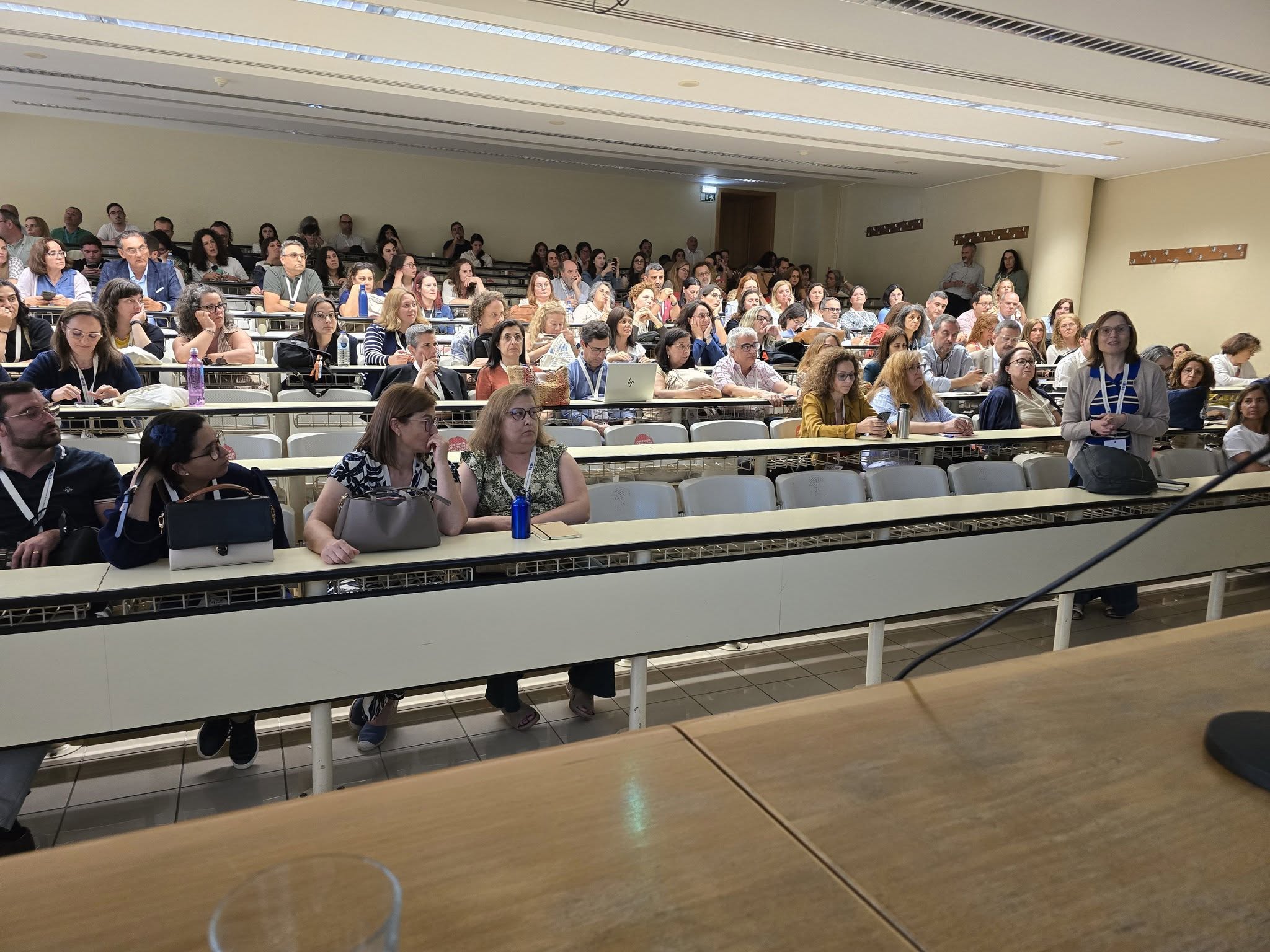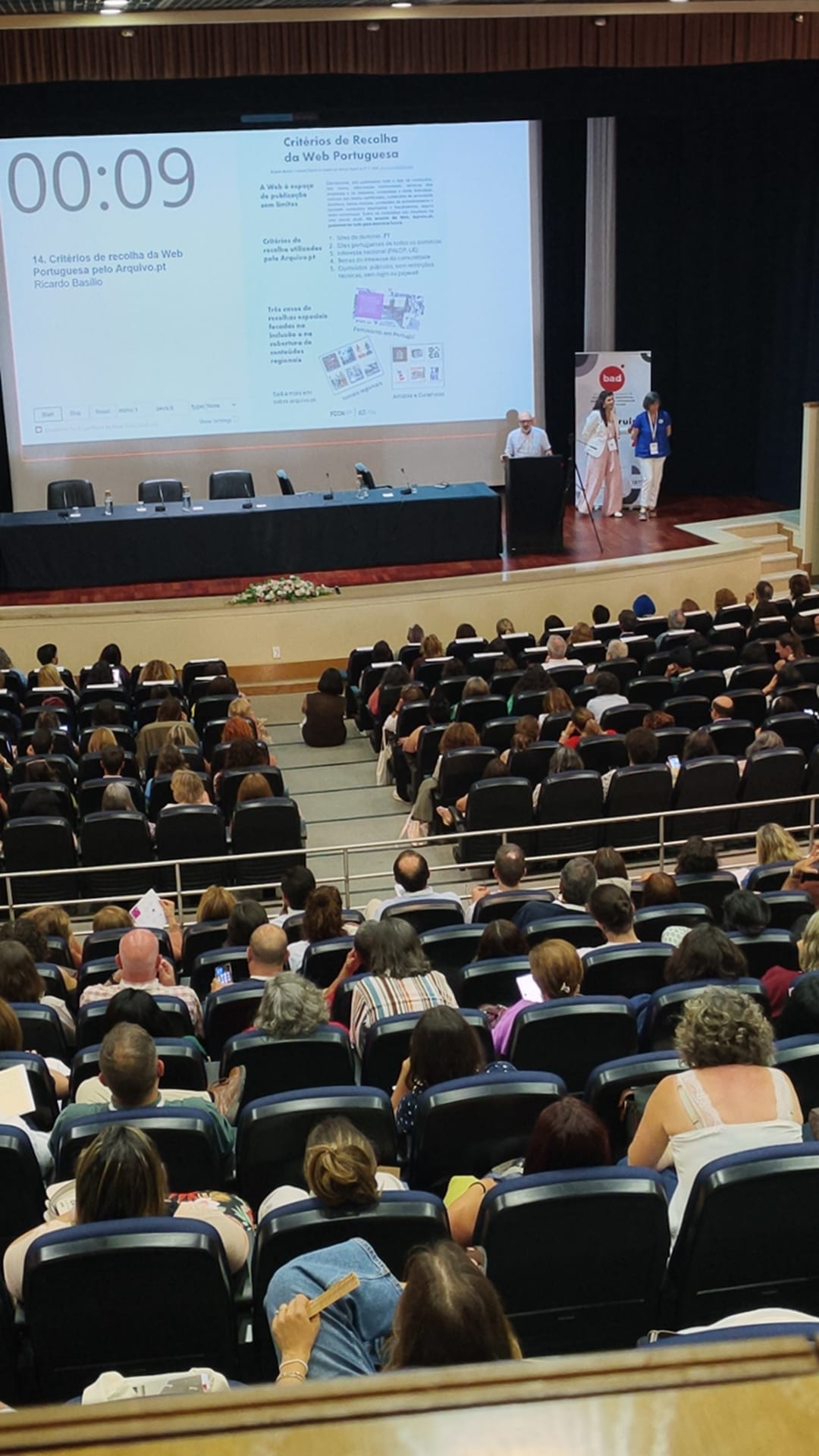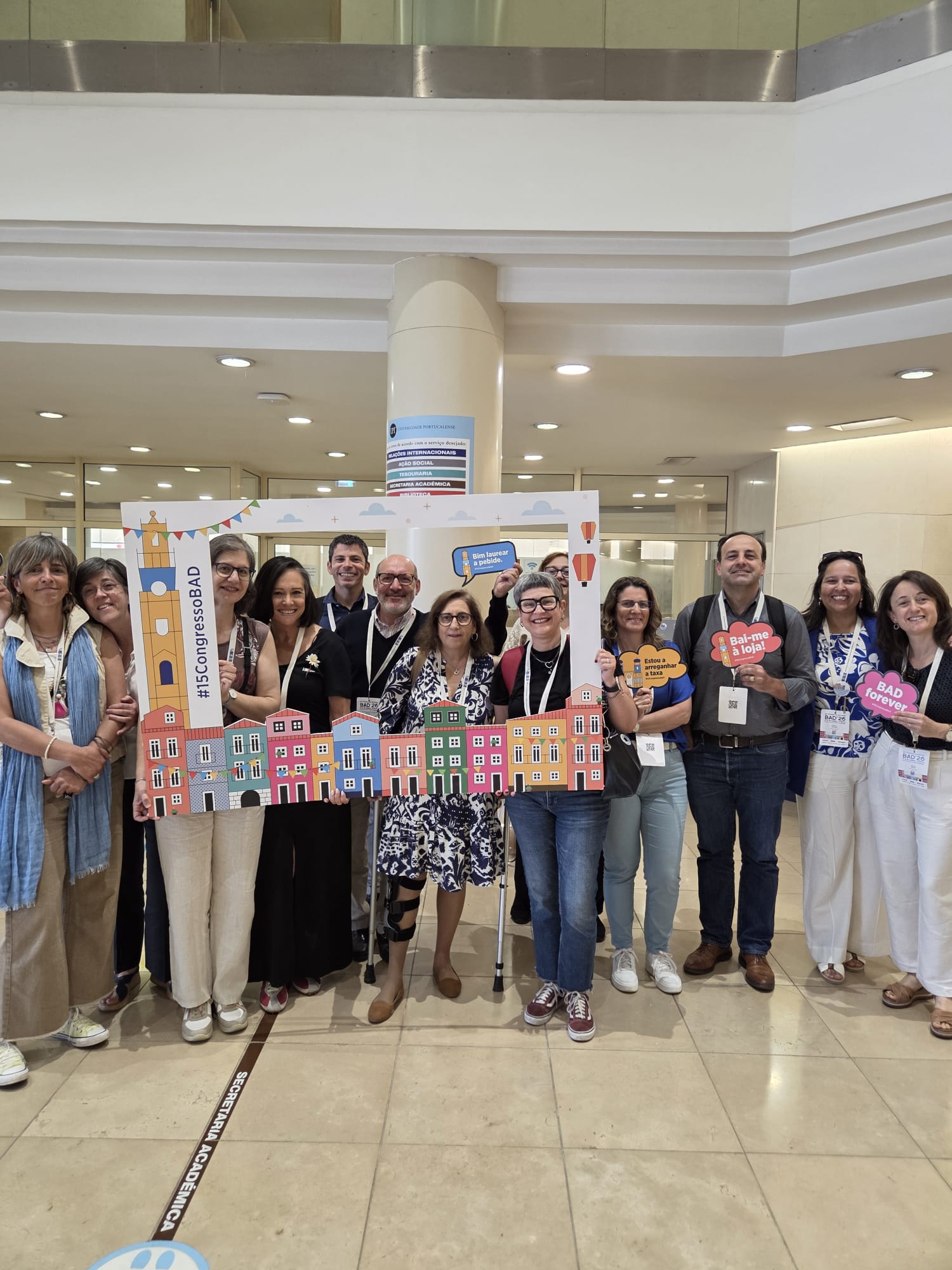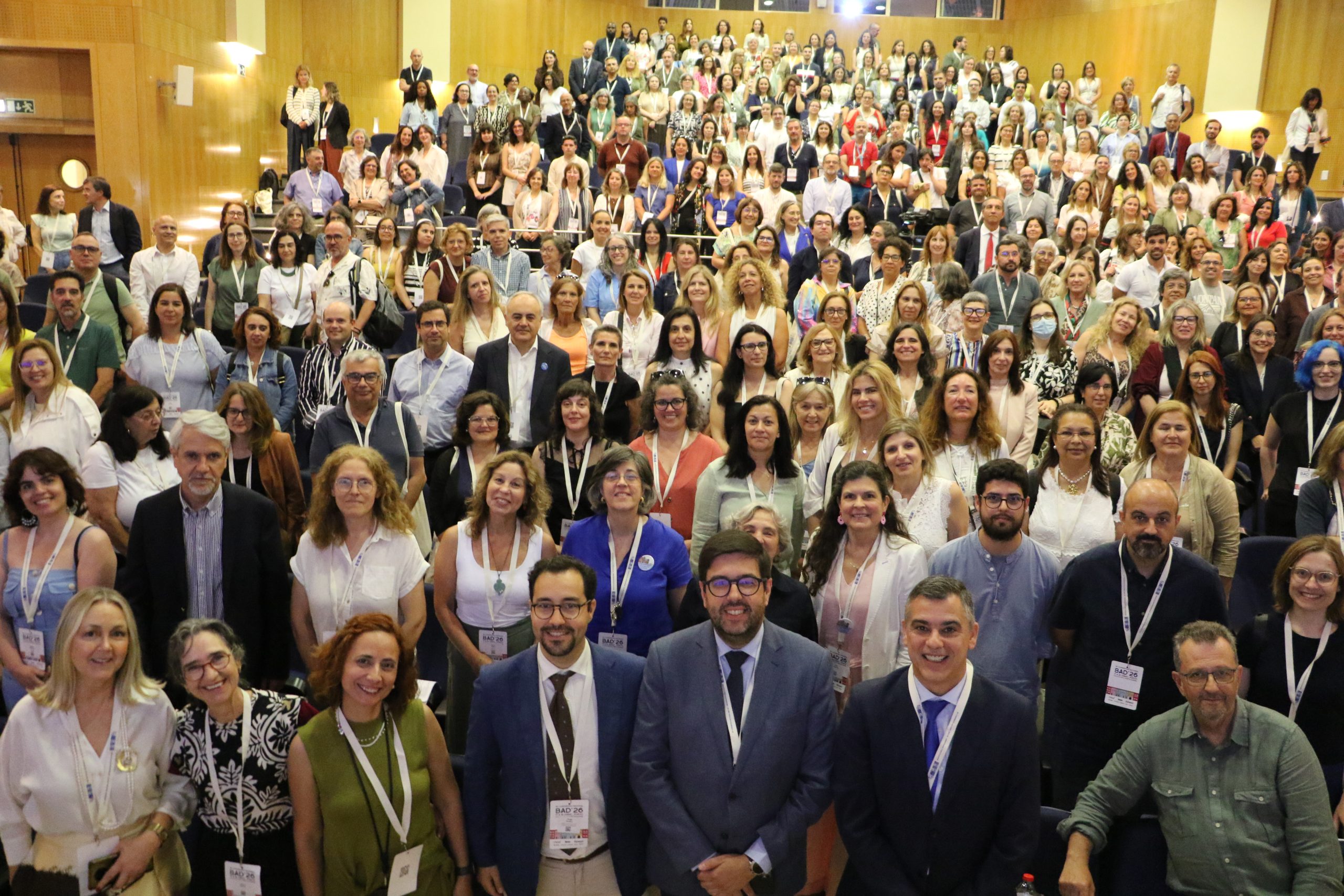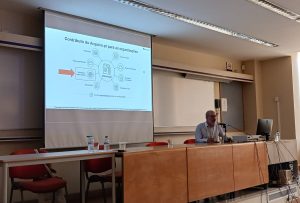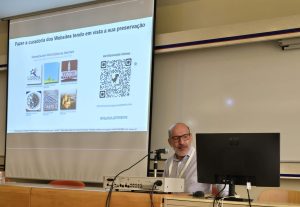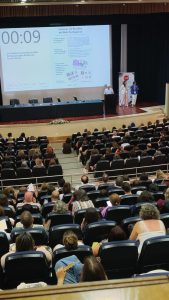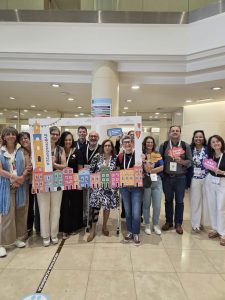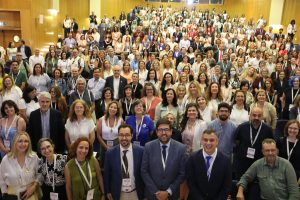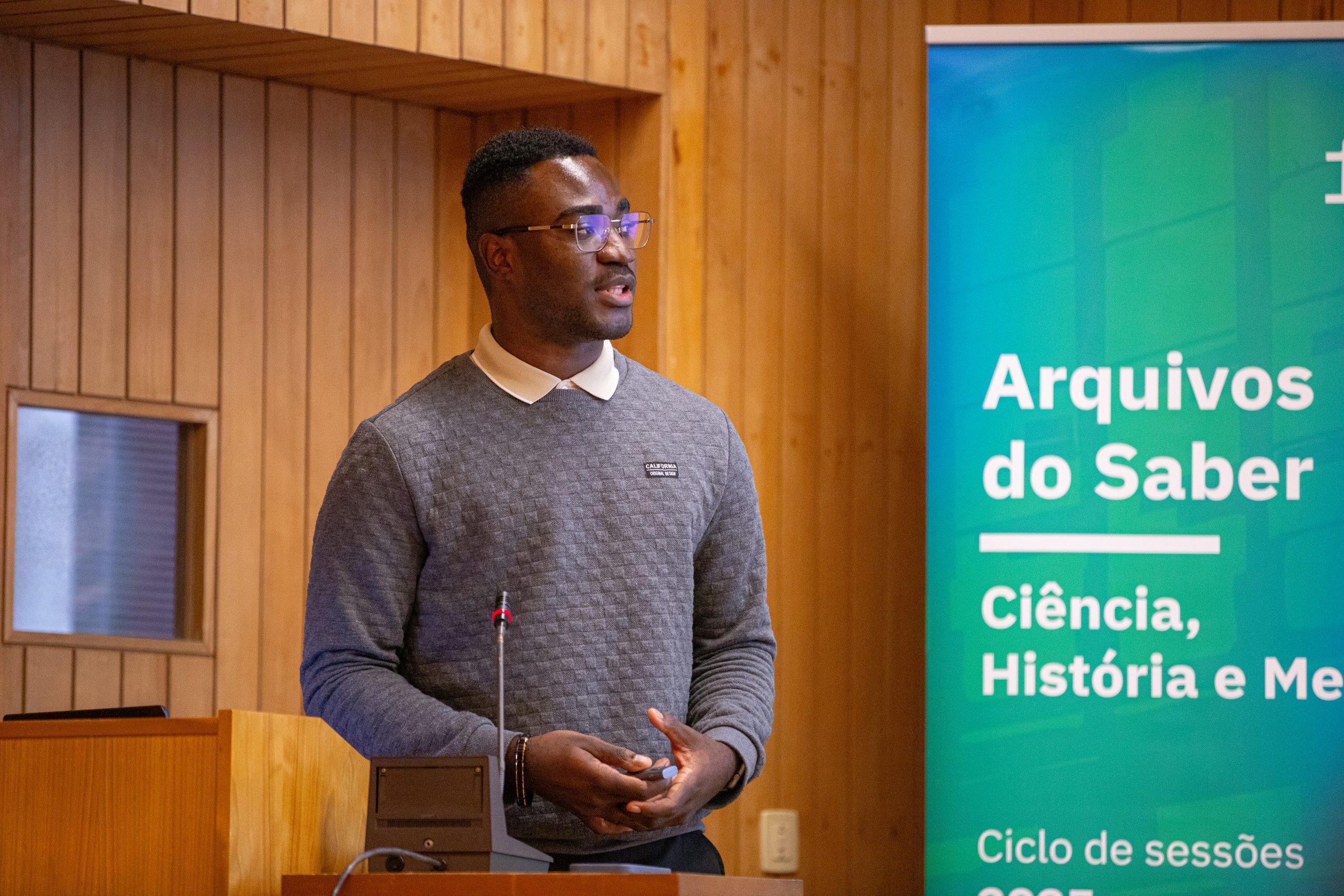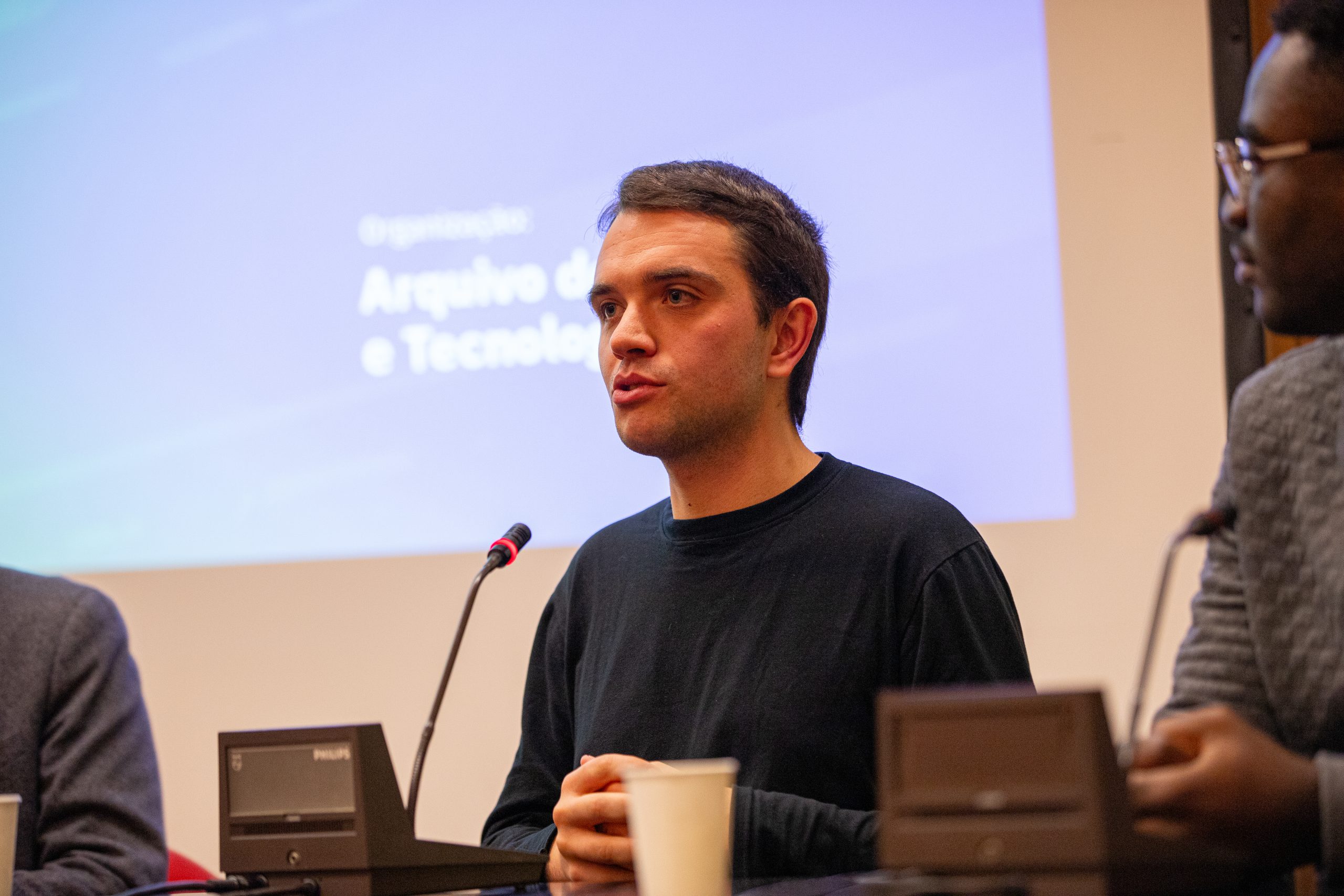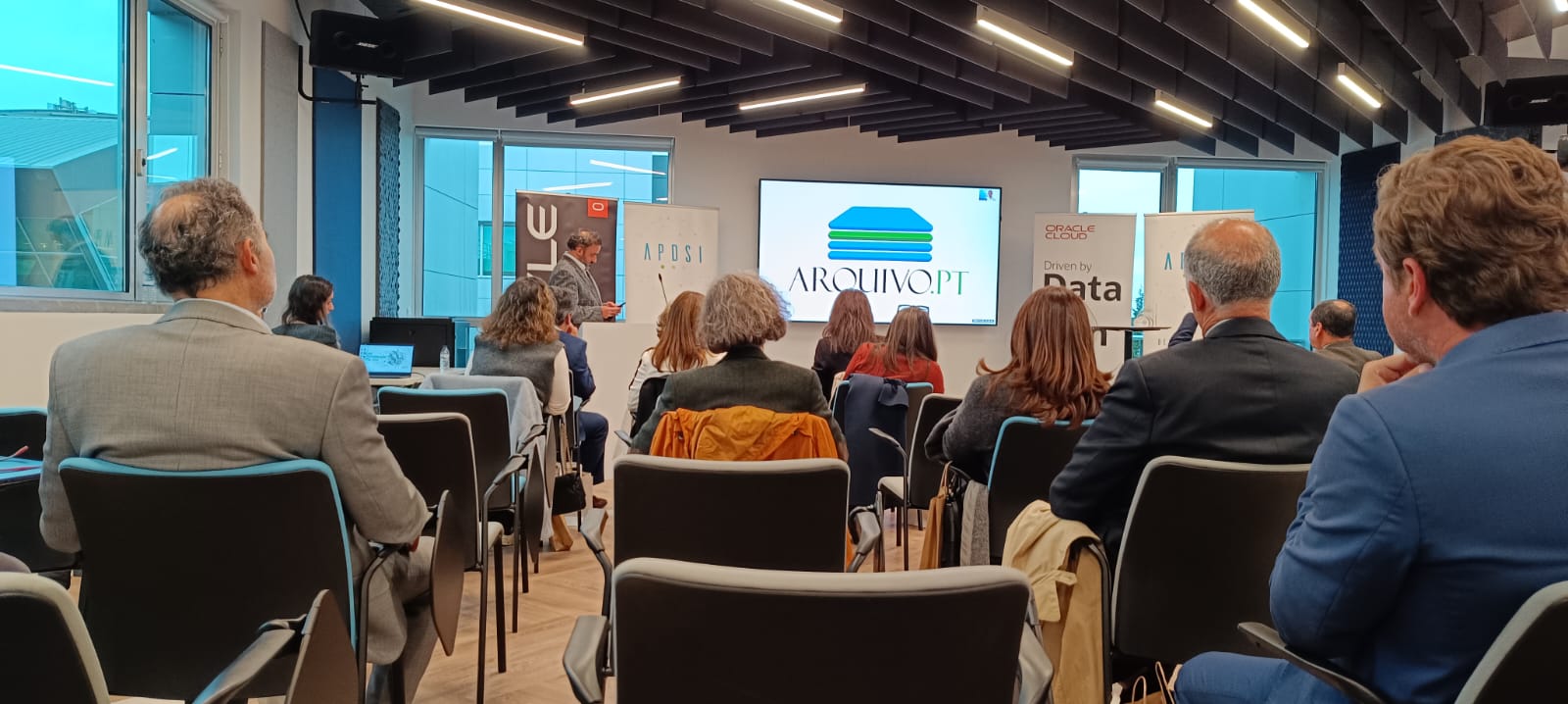
Under the theme “Commitment to Democracy: Dialogue, Well-Being, Inclusion,” the APBAD meeting —one of the most important gatherings of information professionals—drew more than 500 participants.
Arquivo.pt’s involvement relates to an important aspect of its mission, which is “to promote the collection and preservation of content available on the national Internet” (Decreto-Lei n.º 132/2025).
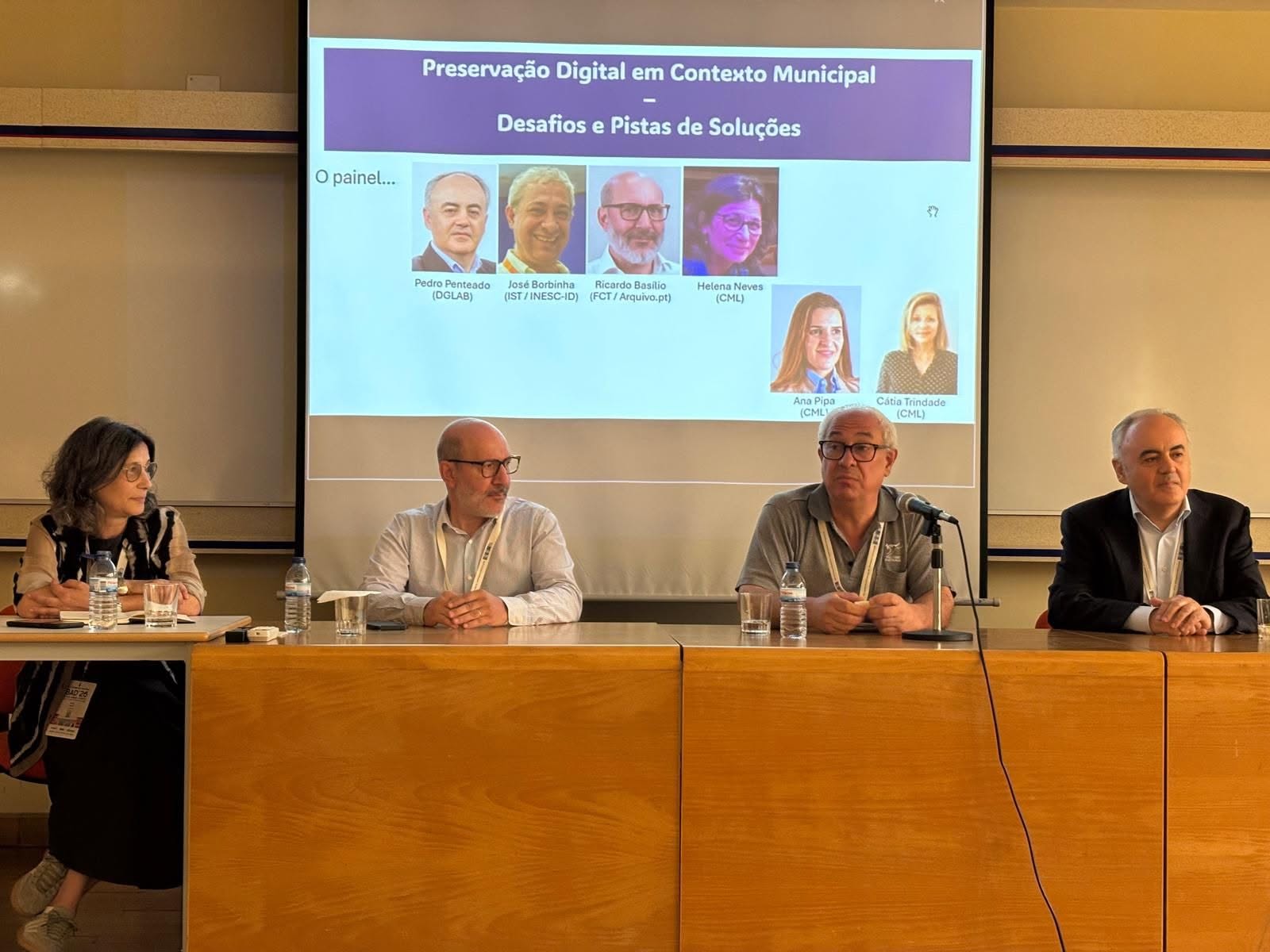
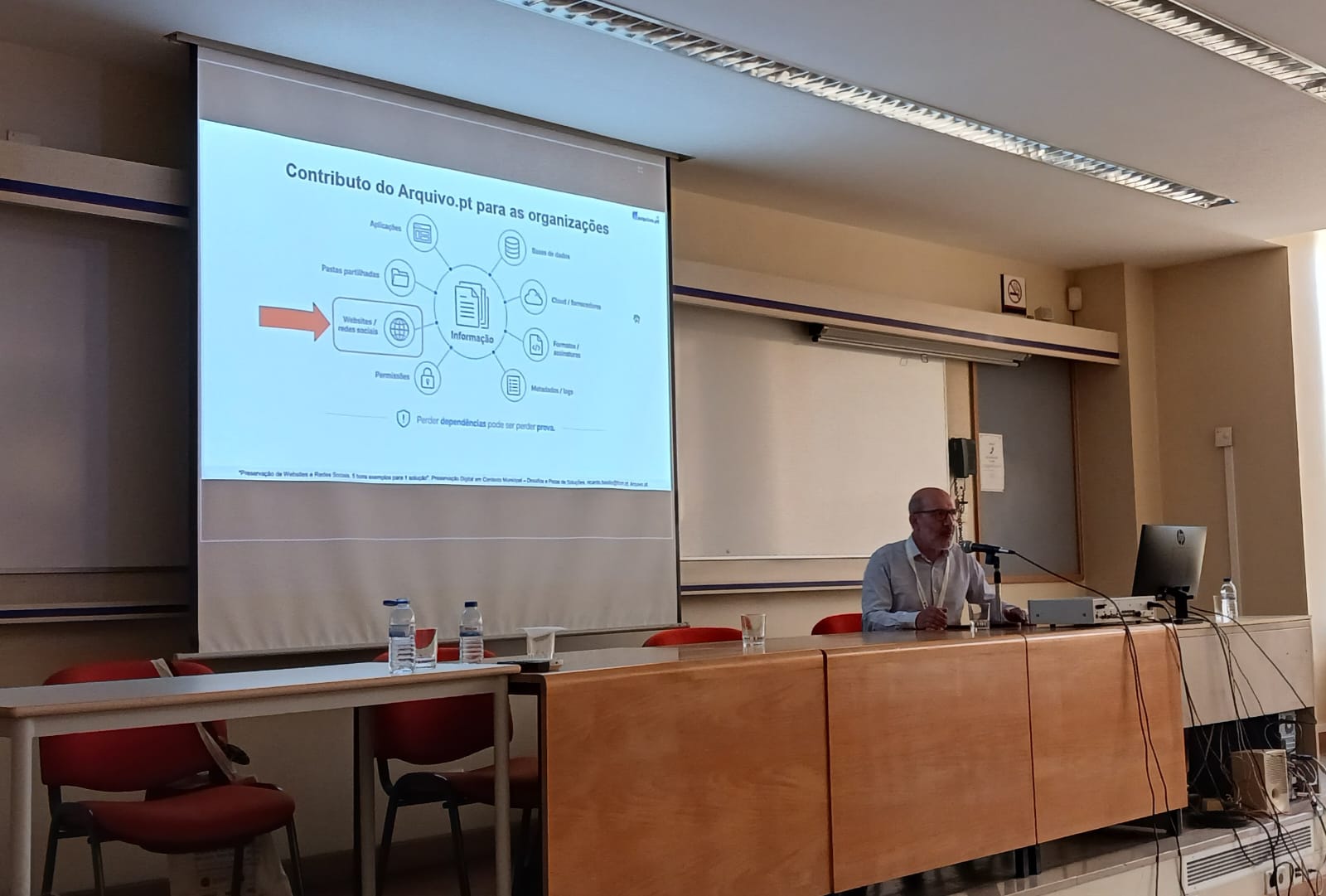
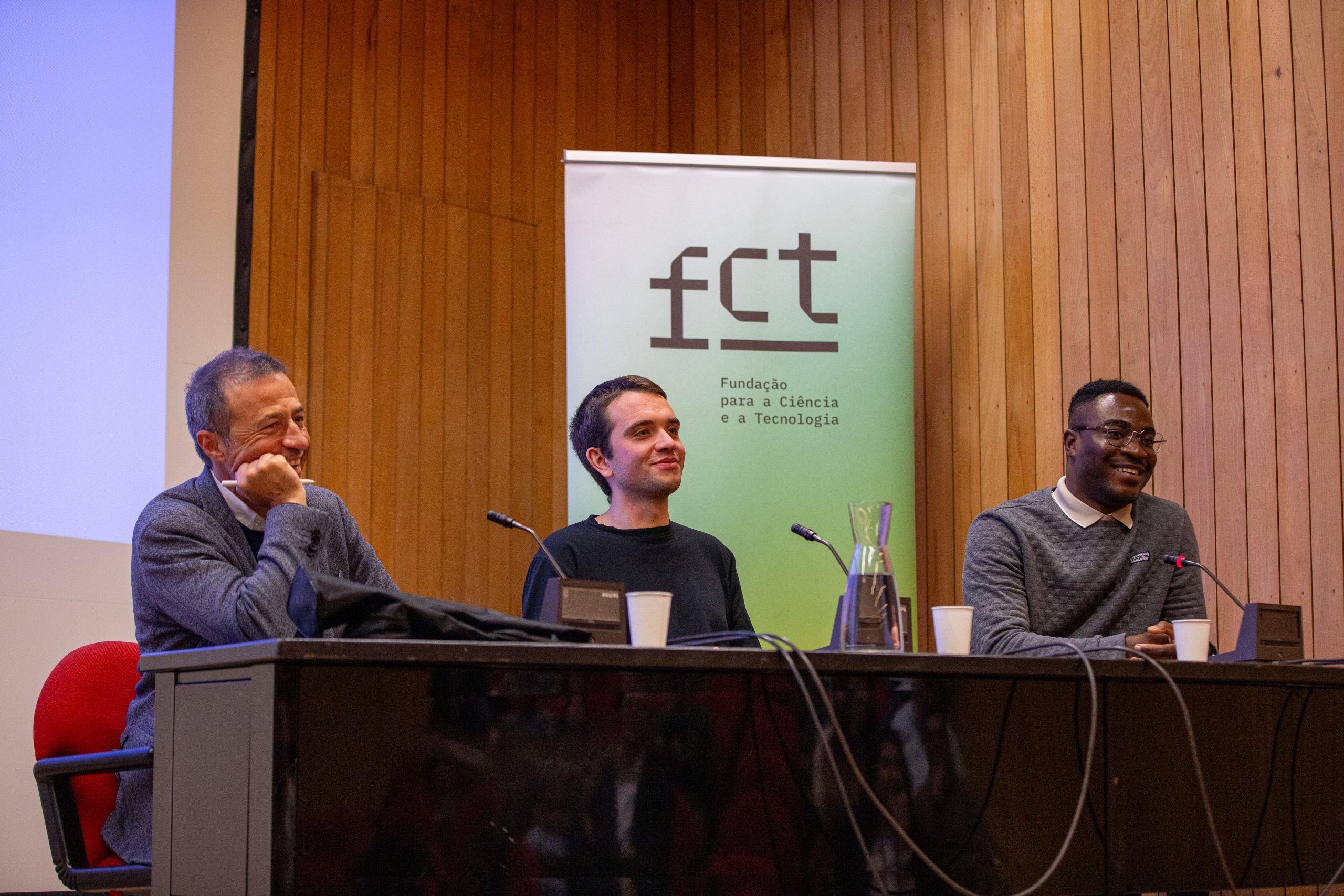
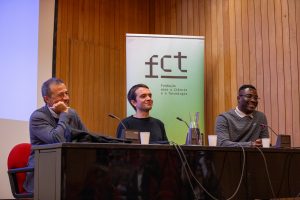
Panel: “Digital Preservation in a Municipal Context—Challenges and Potential Solutions”
Digital preservation is an increasingly important issue for public agencies. Municipalities, for example, are required to implement a digital preservation plan (Portaria n.º 112/2023, art.4º). On the other hand, digital content is scattered across many formats, systems, and even different organizations and jurisdictions.
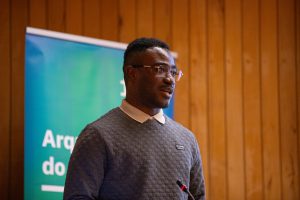
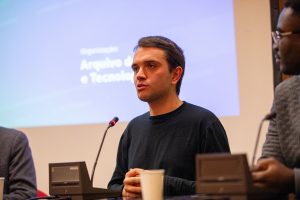
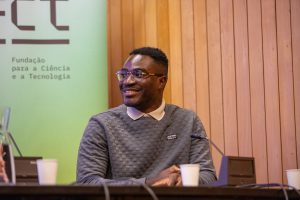
The panelists were José Borbinha (INESC-ID, IST, Universidade de Lisboa), Pedro Penteado (DGLAB, Direção de Serviços de Arquivística e Normalização), Helena Neves (Câmara Municipal de Lisboa, Direção Municipal de Cultura, Departamento de Património de Cultural, Divisão de Arquivo Municipal) and Ricardo Basílio (Arquivo.pt-FCCN-FCT).
Sharing knowledge, best practices, and resources is a way to accelerate the preservation of collective memory.
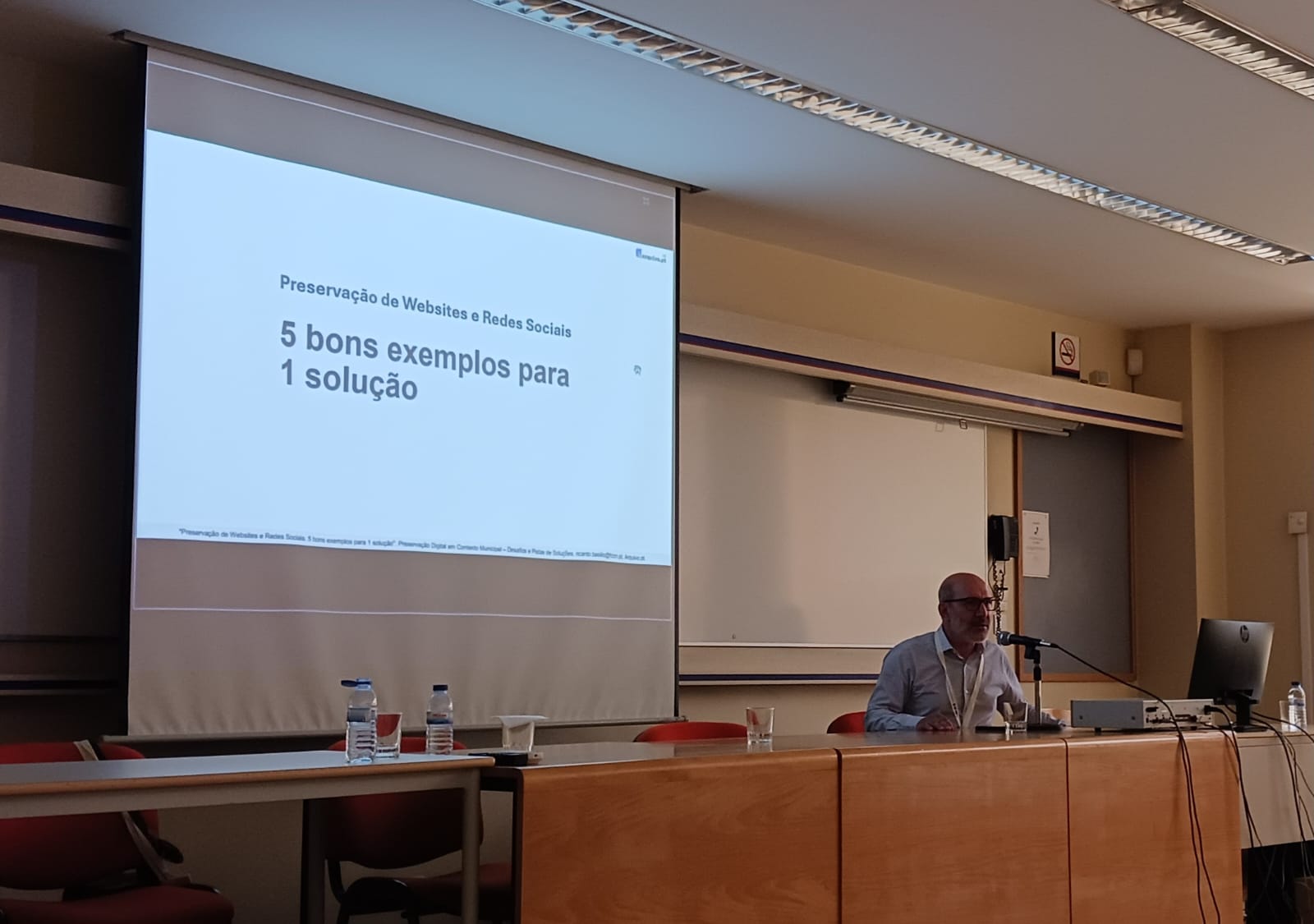
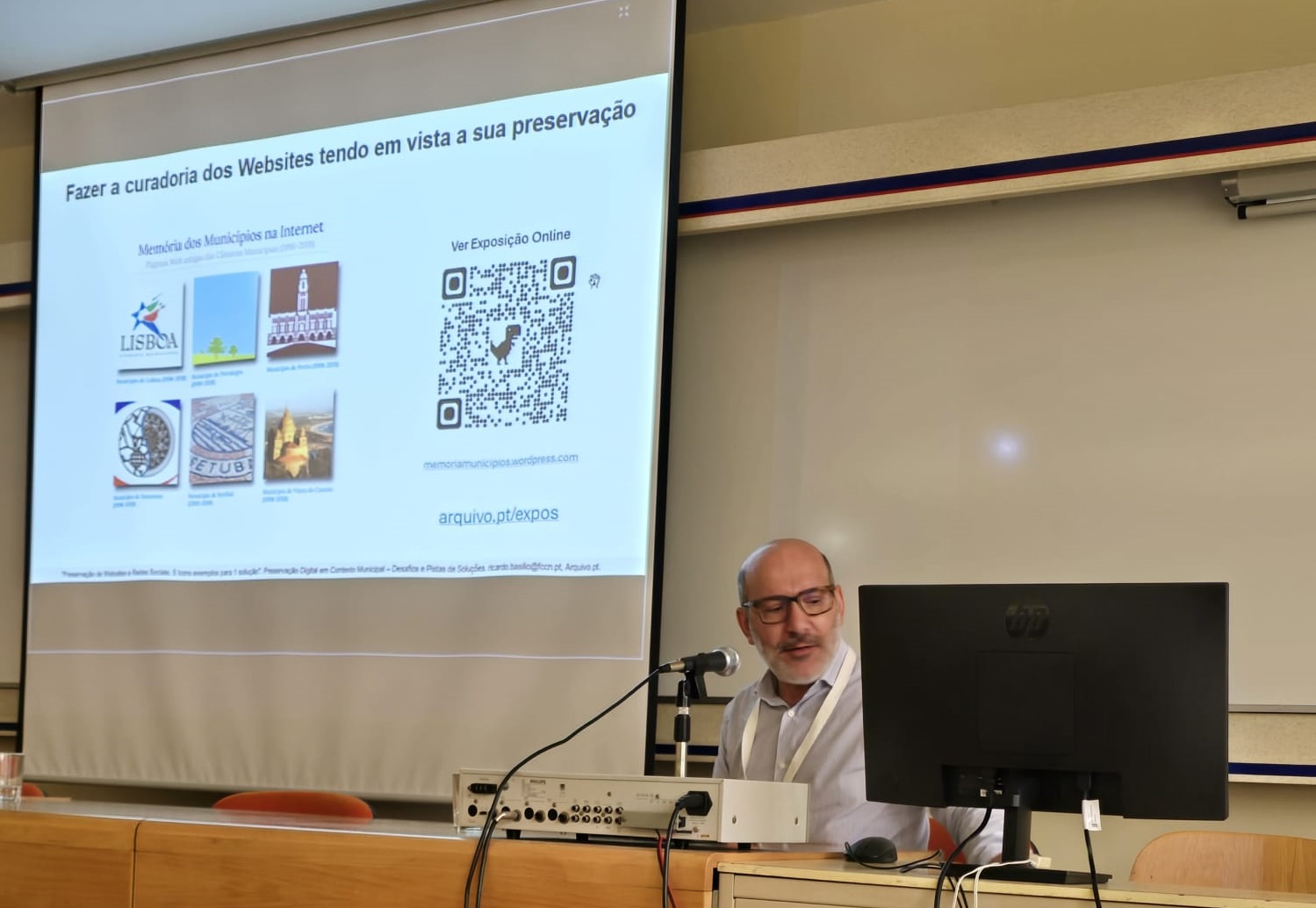
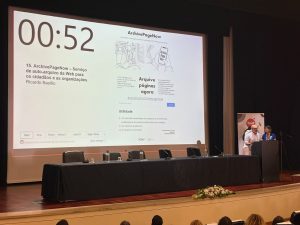
Website and Social Media Preservation: 5 Good Examples for 1 Solution
The online exhibition “Memória dos Municípios na Internet” (Memory of Municipalities on the Internet) was an initiative launched by Arquivo.pt in 2019 to highlight the value of the digital content published over time on the websites of Portugal’s 308 municipalities.
We invite all the professionals here to tour the exhibition and see how well their municipality’s website is maintained.
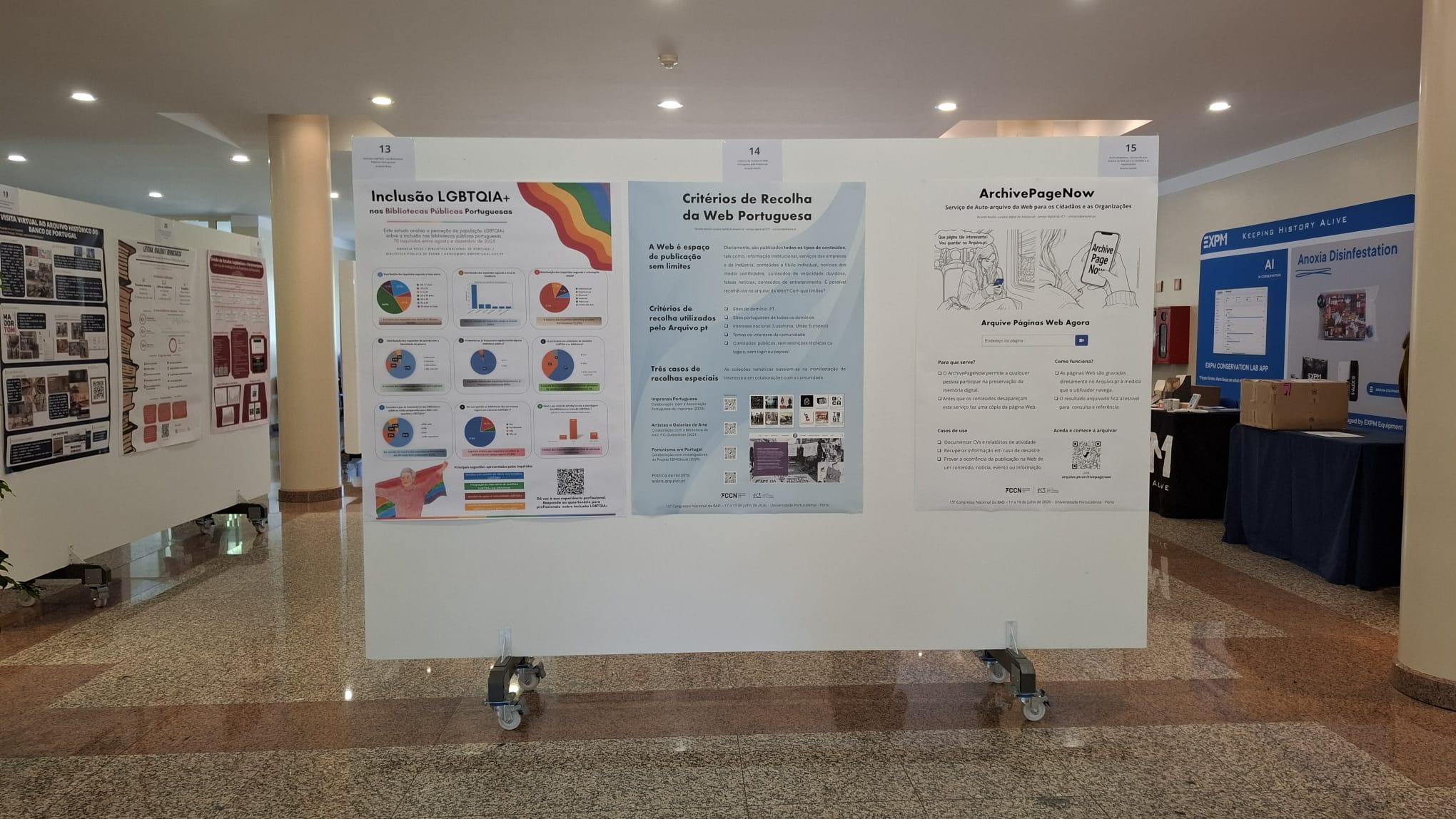
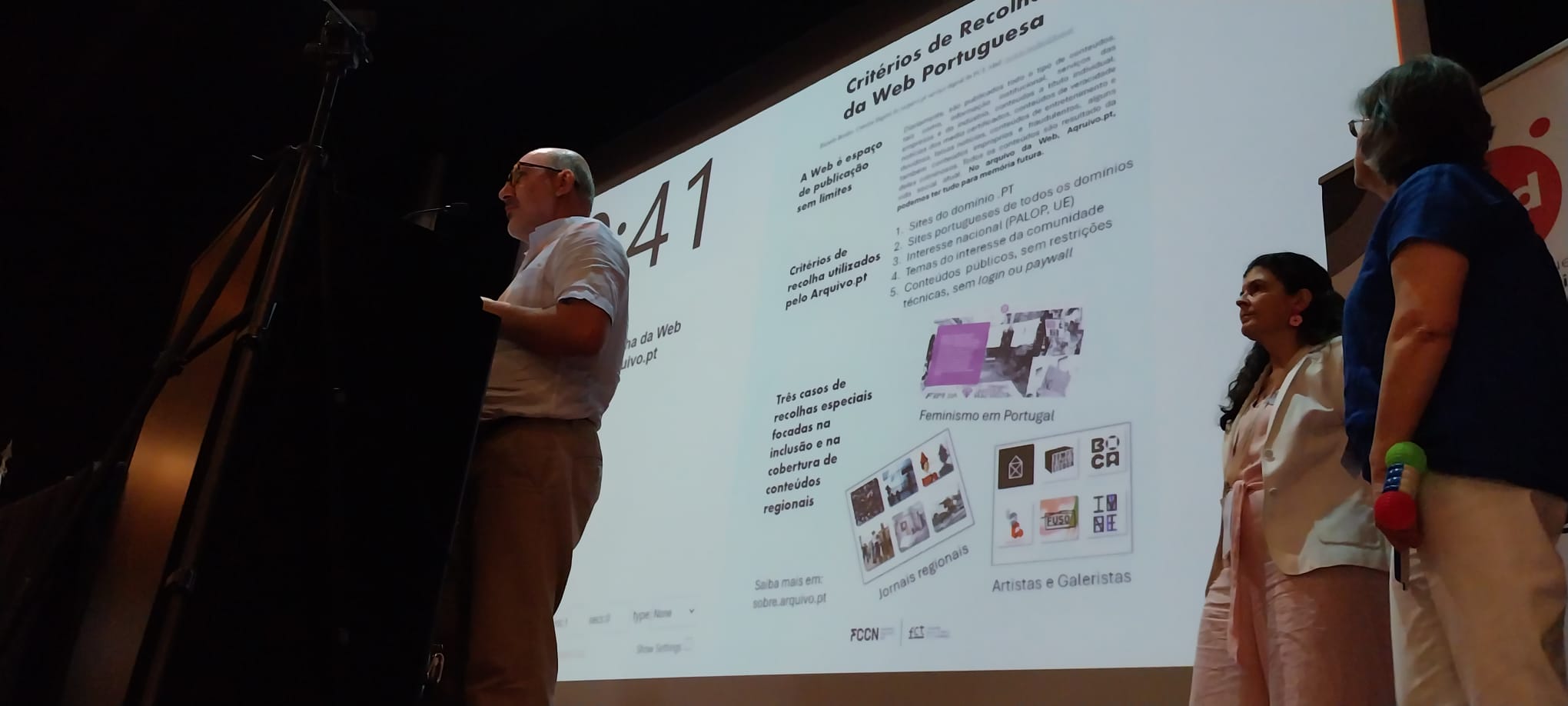
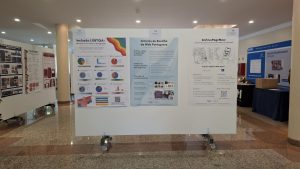
Data Collection Criteria for the Portuguese Web (Poster 1)
The Web is a publishing space without limits. Every day, all kinds of content are published, such as institutional information, business and industry services, content created by individuals, news from accredited media outlets, content of dubious veracity, fake news, and entertainment content. Is it possible to collect this content in a Web archive? What are the limitations?
National interest (Portuguese-speaking countries, European Union)
Topics of interest to the community
Public content, with no technical or legal restrictions, and no login or paywall required
We would like to highlight the criterion “topics of interest to the community,” which we use to conduct special collections, such as when we are collaborating with researchers. This was the case with a collection on artists and art galleries, in collaboration with the Calouste Gulbenkian Foundation’s Art Library (2021), and the collection on Feminism in Portugal, in collaboration with researchers from the FEMGlocal Project (2026).
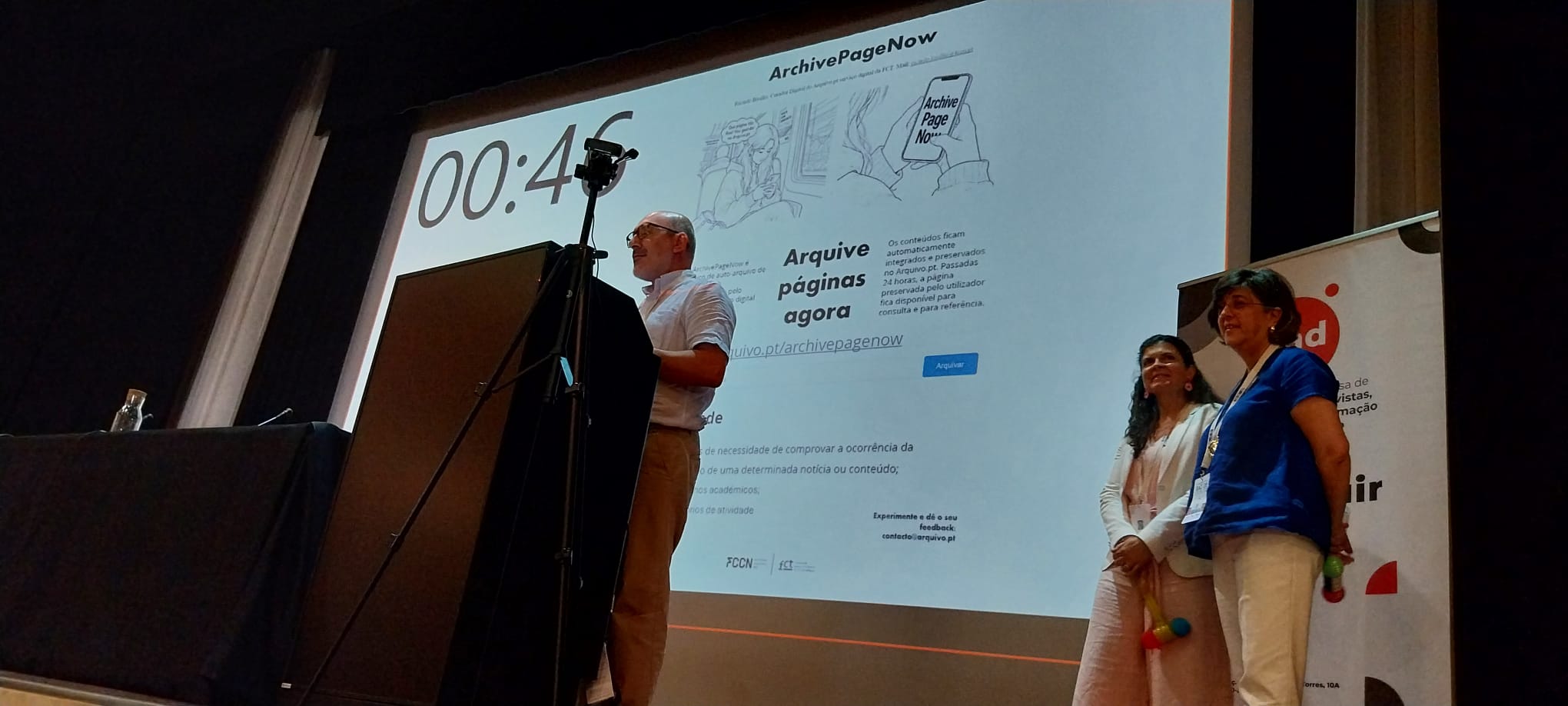
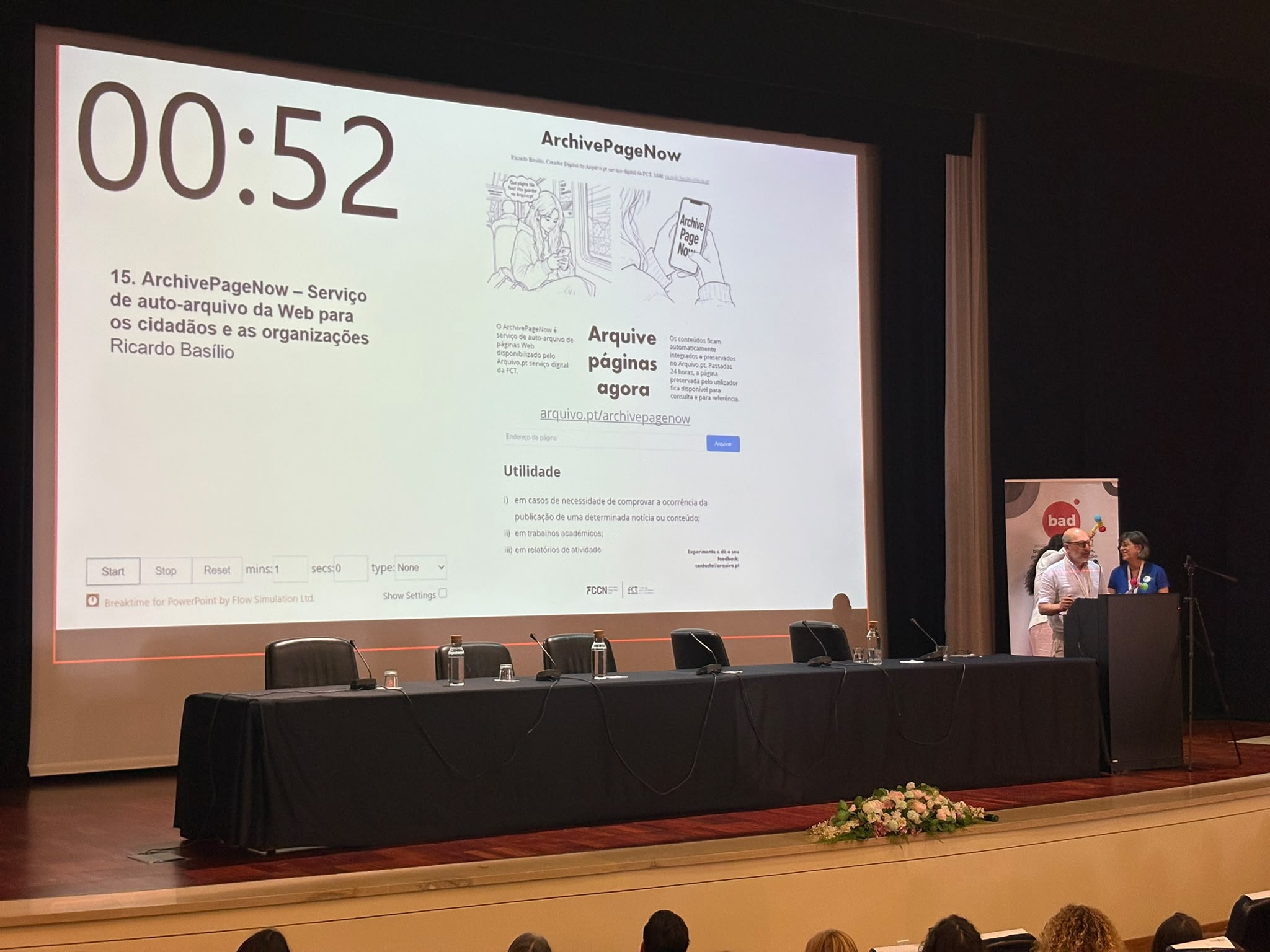
ArchivePageNow – Web Content Self-Archiving Service for Organizations and Citizens (Poster 2)
Public content can be archived using the ArchivePageNow service, which the archive provides to promote the preservation of web pages among researchers and is also useful for the general public.
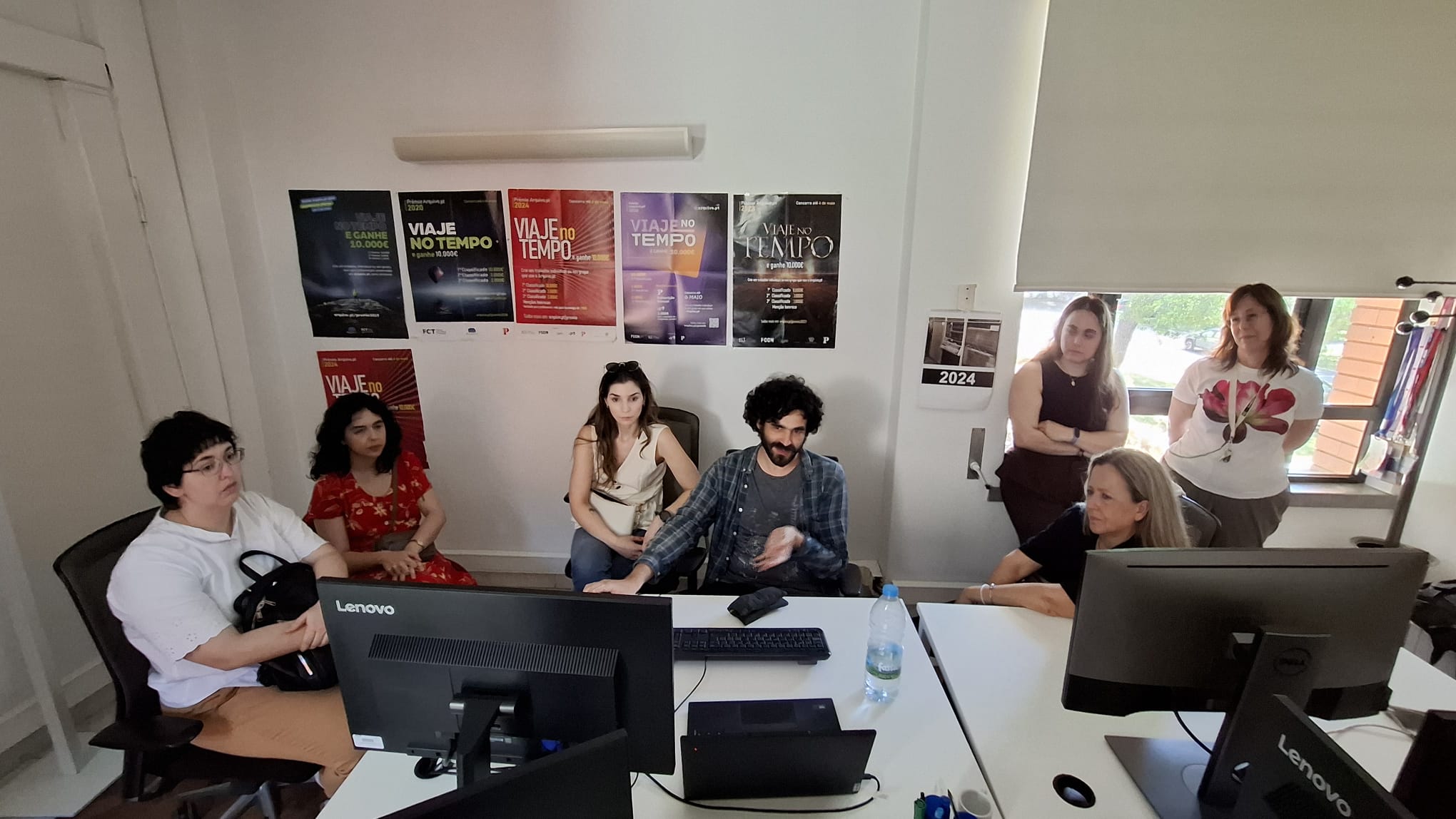
The initiative included a workshop dedicated to exploring advanced support services for science and higher education in Portugal, providing participants with an in-depth look at the digital ecosystem that underpins the production and dissemination of scientific knowledge.
The program included thematic sessions on key tools such as the NAU platform, designed for creating and making open-access MOOCs available, as well as Arquivo.pt, where the inner workings of web content preservation for research purposes were demonstrated. Strategic services such as Educast, and Ciência ID were also presented, underscoring the FCCN’s role in supporting higher education institutions.
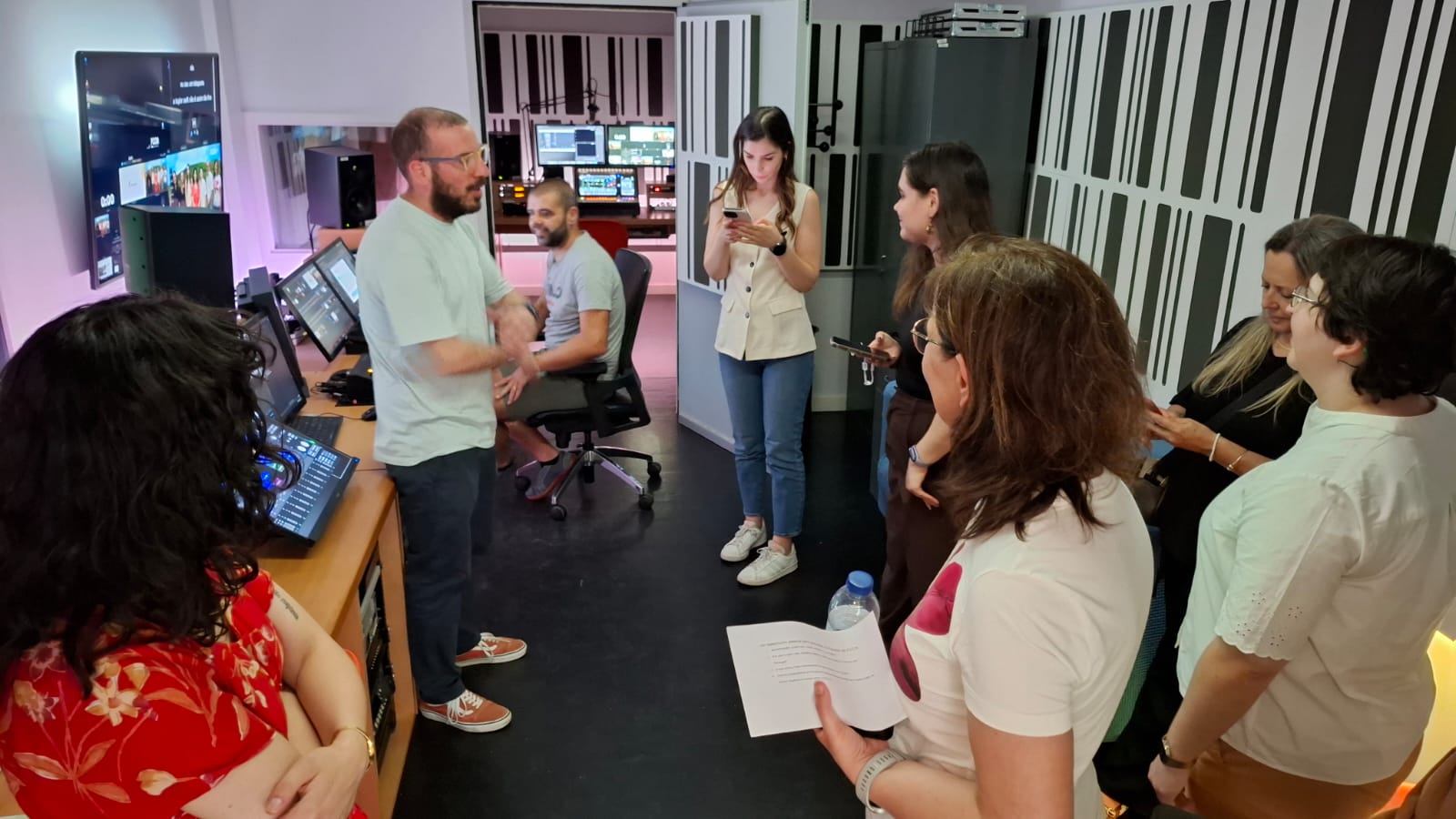
Tour of the Data Center and the Television and Audio Studio
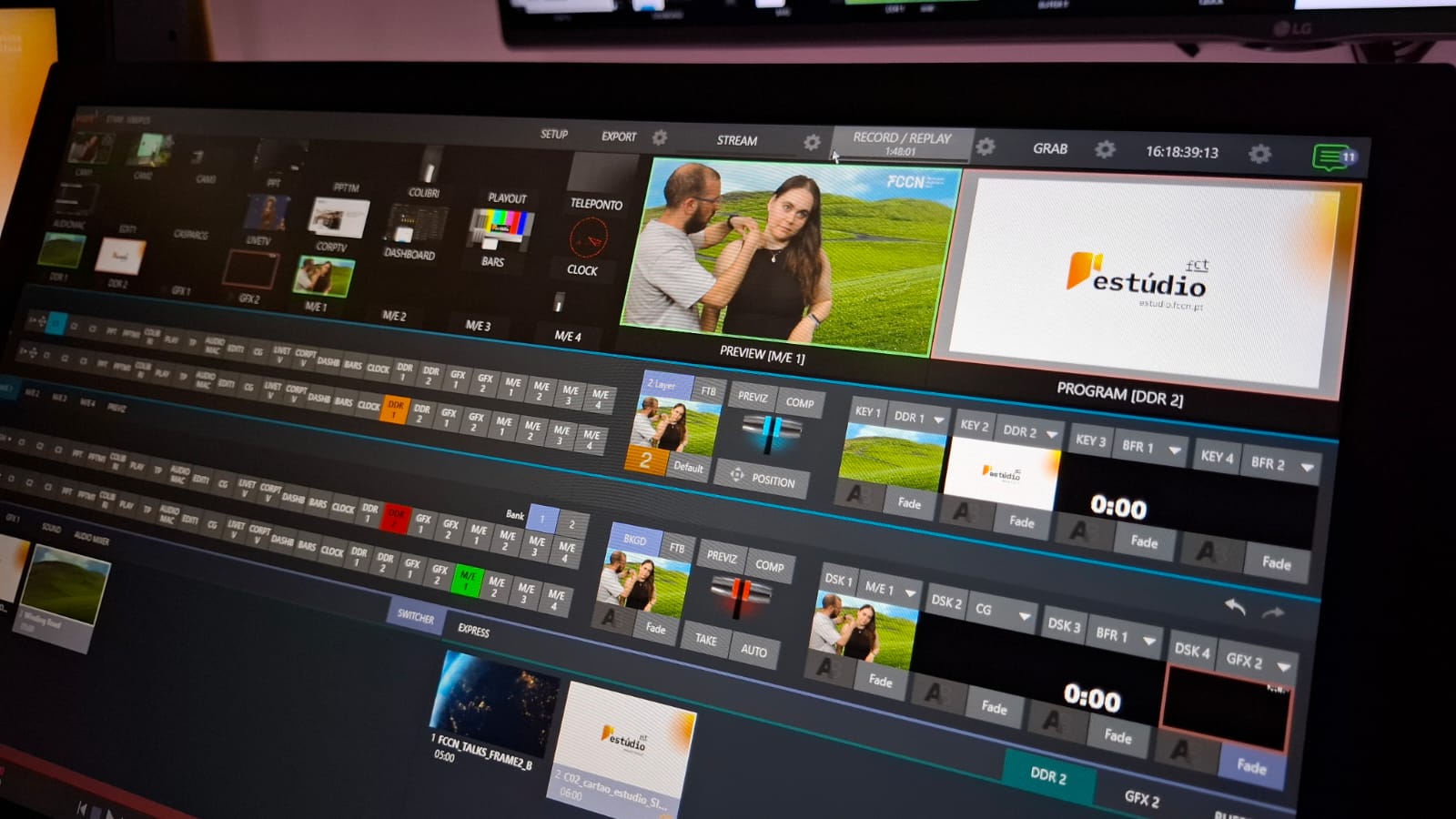
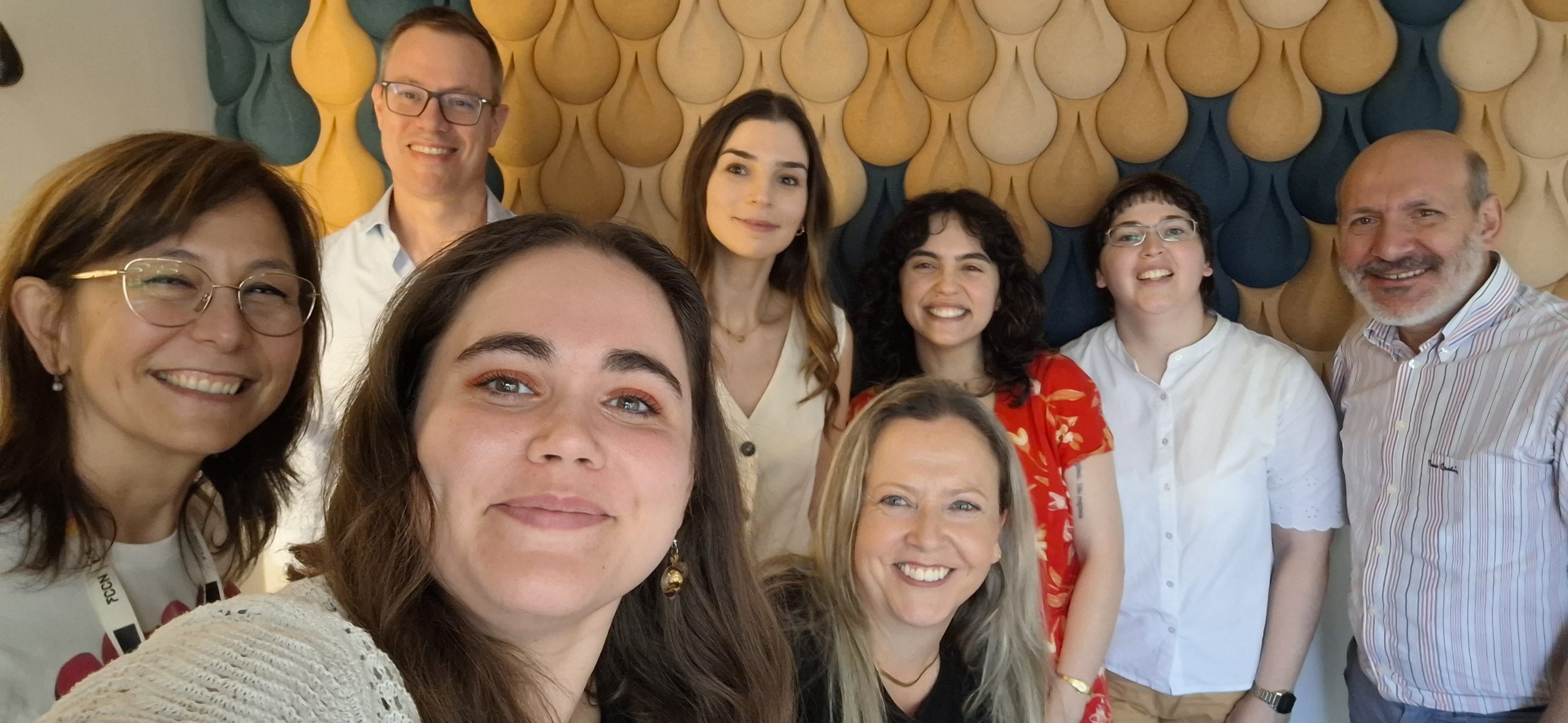
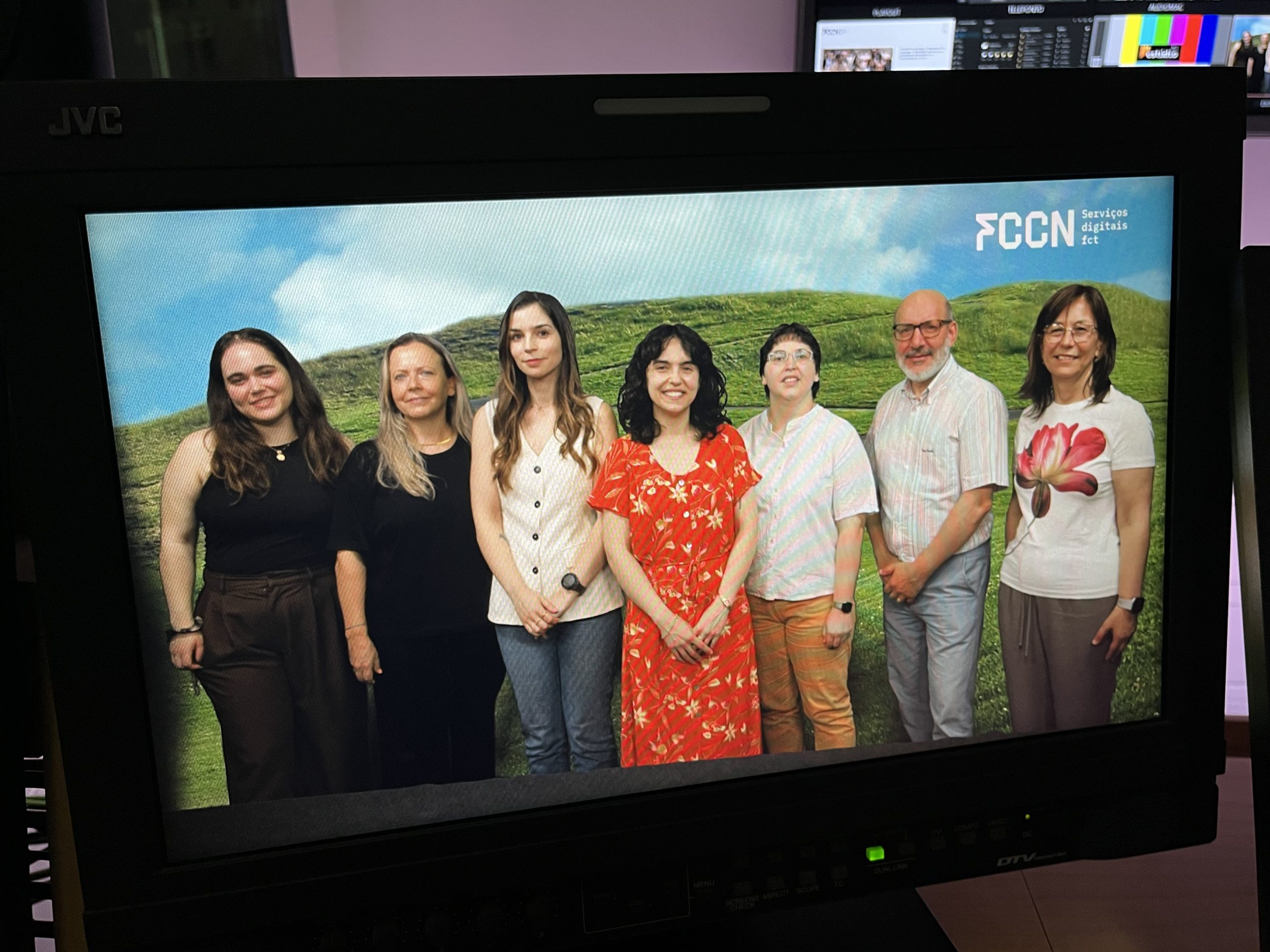
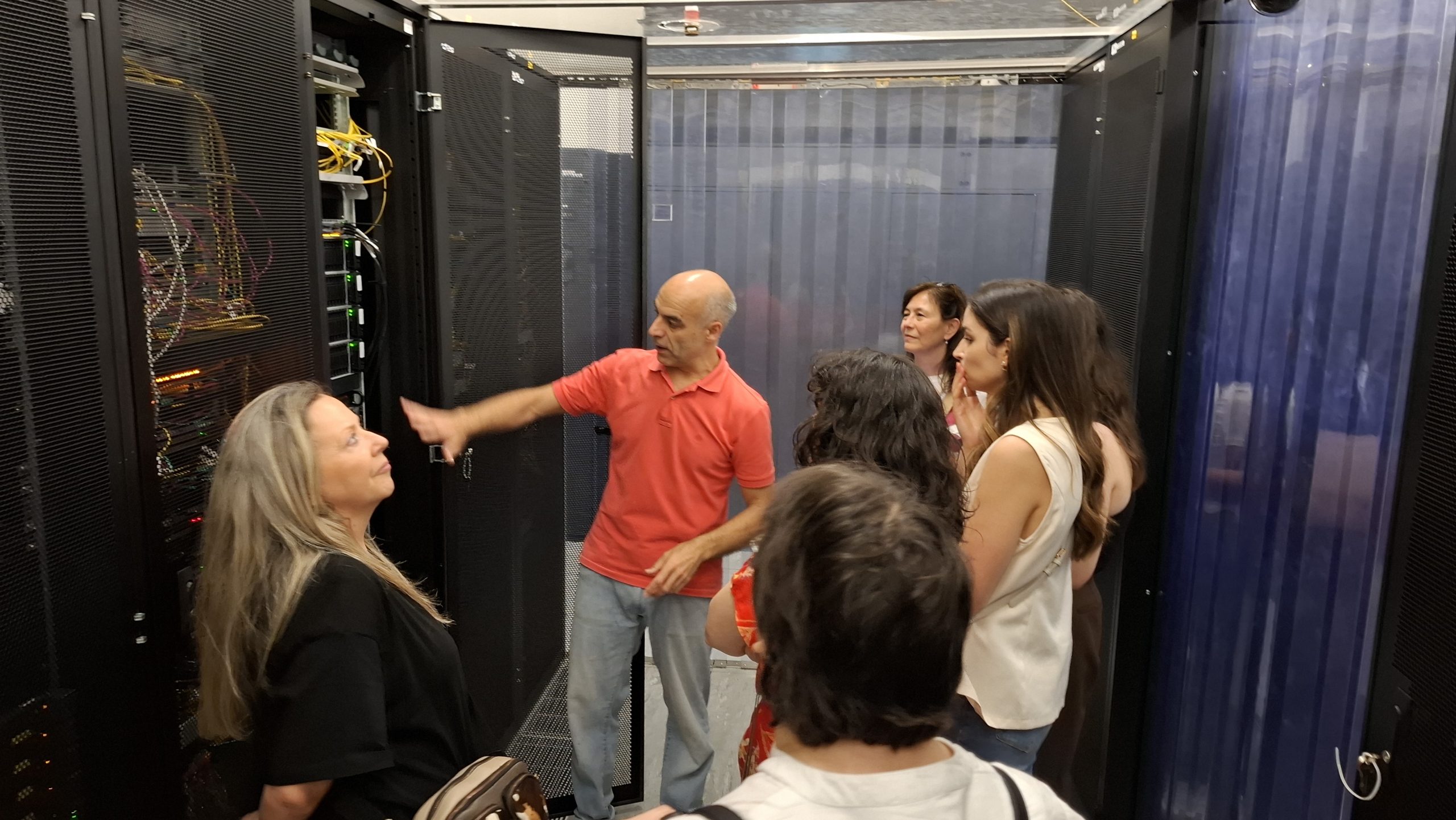
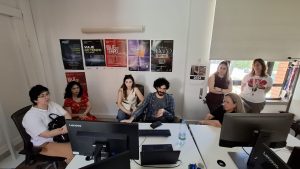
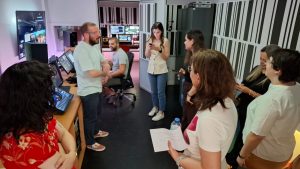
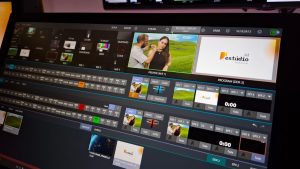
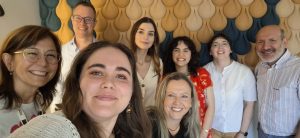
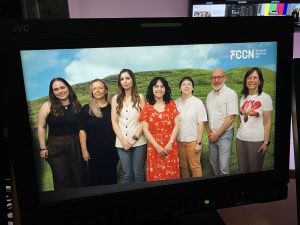
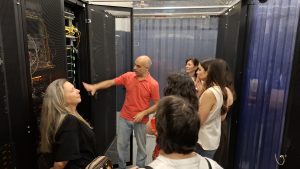
During the event, participants also visited FCCN’s data center and professional studio, gaining firsthand experience with technological infrastructure that, though often invisible, is essential to ensuring the robustness, innovation, and sustainability of science and digital education.
The importance of the program for professional development
O Programa de Mobilidade (Mobility Program) visa fomentar a partilha de conhecimento, a atualização contínua de competências e o reforço do contacto entre profissionais da informação e serviços inovadores que integram o quotidiano de investigadores, docentes e estudantes. A participação das três instituições reforça a importância destas iniciativas colaborativas para o desenvolvimento profissional e para a consolidação de redes de cooperação no ensino superior em Portugal.
The Programa de Mobilidade (Mobility Program) aims to promote knowledge sharing, the continuous updating of skills, and the strengthening of ties between information professionals and the innovative services that are part of the daily lives of researchers, faculty, and students. The participation of these three institutions underscores the importance of such collaborative initiatives for professional development and for the consolidation of cooperation networks in higher education in Portugal.
Arquivo.pt’s contribution consists of providing educational content on the preservation of content published on the Internet and curating special collections related to the project’s thematic focus, such as women, immigration, and regional content from the Alentejo in the blogosphere.
The BRIDGES, project, led by Principal Investigator María Zozaya, is a work held at University of Évora funded by PRR after a Portuguese National Contest by PLANAPP-FCT on Scicence for Policy (S4P25-LT 24: BRIDGES). Work “developed under the Science4Policy 2025, an anual Science for Policy Project call, an initiative promoted by Centre for Planning and Evaluation of Public Policies in partnership with the Foundation for Science and Technology, financed by Portugal’s Recovery and Resilience Plan”.
1st International Seminar “Women in Focus”
On March 17 and 18, an international seminar titled “Women in Focus: From Narrative to Representation in Language, Art, Heritage, and the Digital World” was held.
Arquivo.pt participated in the online session with a presentation titled “Women’s Visibility on the Web: A Mirror of Society Since the 1990s.” The presentation demonstrated how the archive contains historical web content that is useful for studying women’s issues. Three research projects that utilized Arquivo.pt were highlighted, namely:
Existo.pt. Representation of Women Artists in the National Press, by Cláudia Sevivas and Miguel Boavida, 2nd place-winner of the 2023 Arquivo.pt Award
Feminicído à vista (Femicide in plain sight), by Paula Fortuna, available on GitHub
As part of this initiative, Arquivo.pt is compiling a thematic collection on Portuguese women who have made significant contributions to culture, art, and science. The list of URLs will be available on the open data portal Dados.gov.
On the Narrative Monitor website, one can view the results and take a quiz.
The project “Narrative Monitoring” is one of the winners of the 2025 Arquivo.pt Award, having placed third. It was developed by the CIDEHUS research team, consisting of Erik Bran Marino, Rafael Prezado, Ana Sofia Ribeiro, and Renata Vieira. It serves as an example of how Arquivo.pt is used in a research context.
The digital curator of Arquivo.pt addressed the topic “Data on Multiracial Diversity at Arquivo.pt,” demonstrating how the web has served as a space for freedom of expression and for self-affirmation or advocacy.
The work of archiving the Web and preserving its memory, in turn, requires initiative and community participation. Several international and national examples of this “activist” aspect of Web archiving were cited:
As part of this session, Arquivo.pt is compiling a thematic collection on migration and the PRCT (Comparative Analysis of Conspiracy Theories in Europe), based on the 150 search terms used in Erik Bran Marino’s research.
Arquivo.pt participated in the online session with a guest expert, José Miguel Nogueira, a professor, member of CIES-iscte, and Principal Investigator of the Self-Determination & Inclusion by Theater Project (SDIT). José Miguel Nogueira spoke about this European project in which theater has made an exceptional contribution to the inclusion of people with autism. Finally, he challenged the audience to rethink the way they interact with people with autism.
“Café with Arquivo.pt” consists of short online sessions so that anyone can attend during working hours. Its aim is to raise awareness of Arquivo.pt and gather contributions from the community on topics related to web preservation.
In December 2025, a new series was launched dedicated to the thematic collections that Arquivo.pt publishes as datasets on the Dados.Gov open data platform. For example, websites related to theater, music, schools, parishes, elections, and other topics are preserved in the Arquivo.pt. We aim to highlight sets of websites whose history is preserved in the Arquivo.pt to improve their preservation.
The online sessions “Coffee with Arquivo.pt” aim to raise awareness of efforts in Portugal to preserve content published on the Internet and to encourage participation by researchers and the public. The highlight of this session is the project “FEMglocal – Glocal Feminist Movements: Interactions and Contradictions.” A theoretical framework will be presented, followed by a presentation and discussion of the results and activities carried out. For example, identifying websites and other digital channels used by feminist movements has yielded a useful dataset for studying the topic. This raises the question: how can we archive all this fragile digital content circulating on the Internet? As a contribution from Arquivo.pt, we will briefly demonstrate how to collect thousands of pieces of content published on the Web about a specific topic—for example, feminism.
“FEMglocal – Glocal Feminist Movements: Interactions and Contradictions” (PTDC/COM-CSS/4049/2021 / DOI 10.54499/PTDC/COM-CSS/4049/2021), a project funded by national funds through the FCT — Foundation for Science and Technology, I.P. With the participation of DivIntLab (CICANT). With the participation of the DigiPlArt Exploratory Project (2024.13064.PEX), also funded through the FCT.
Guests Mário Rui André and Gonçalo Pereira Costa, journalists from the newspaper LPP / Lisboa Para Pessoas, talked to us about the Portal das Autárquicas da Lisboa Metropolitana (Lisbon Metropolitan Local Elections Portal) they created, which provides information about the candidates and their electoral programmes. Arquivo.pt has collected thousands of electoral pages and websites, more than 3 terabytes of information, and briefly explained the methodology used.
In this session, you will learn
How the local elections in the Lisbon Metropolitan Area went from a journalistic perspective;
What methodology was used to collect electoral content on the Internet;
How to use the web archive to obtain information from the past.
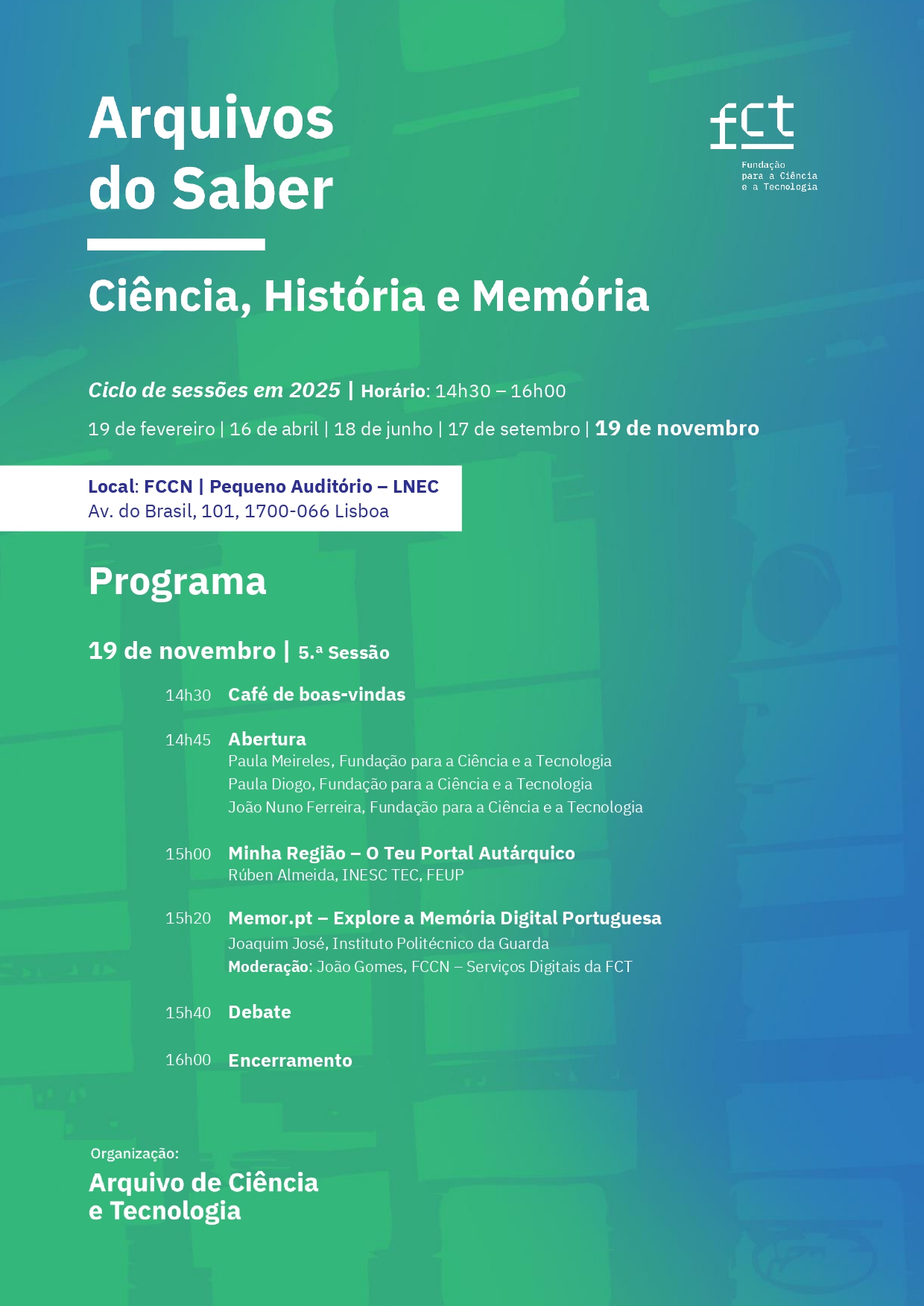
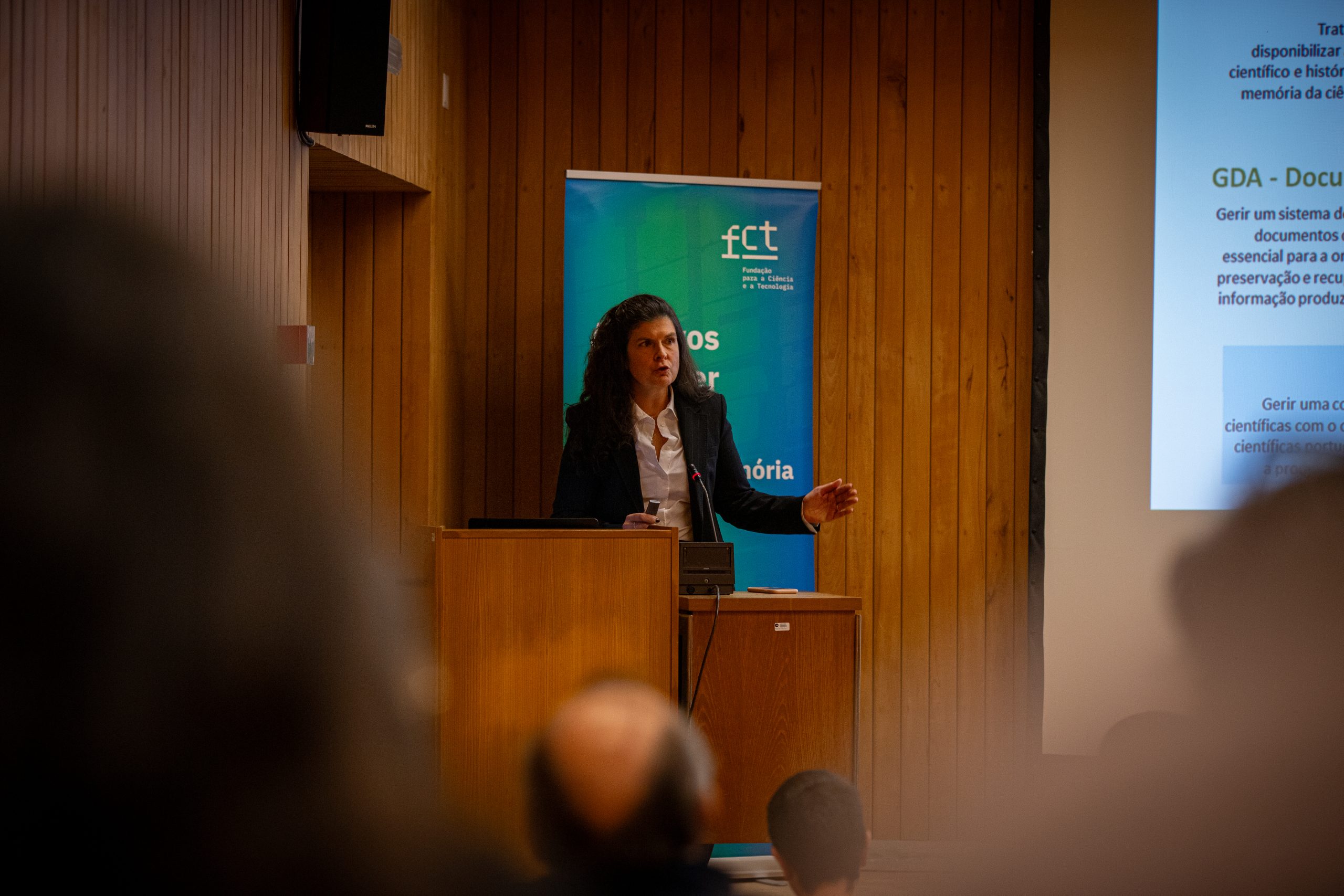
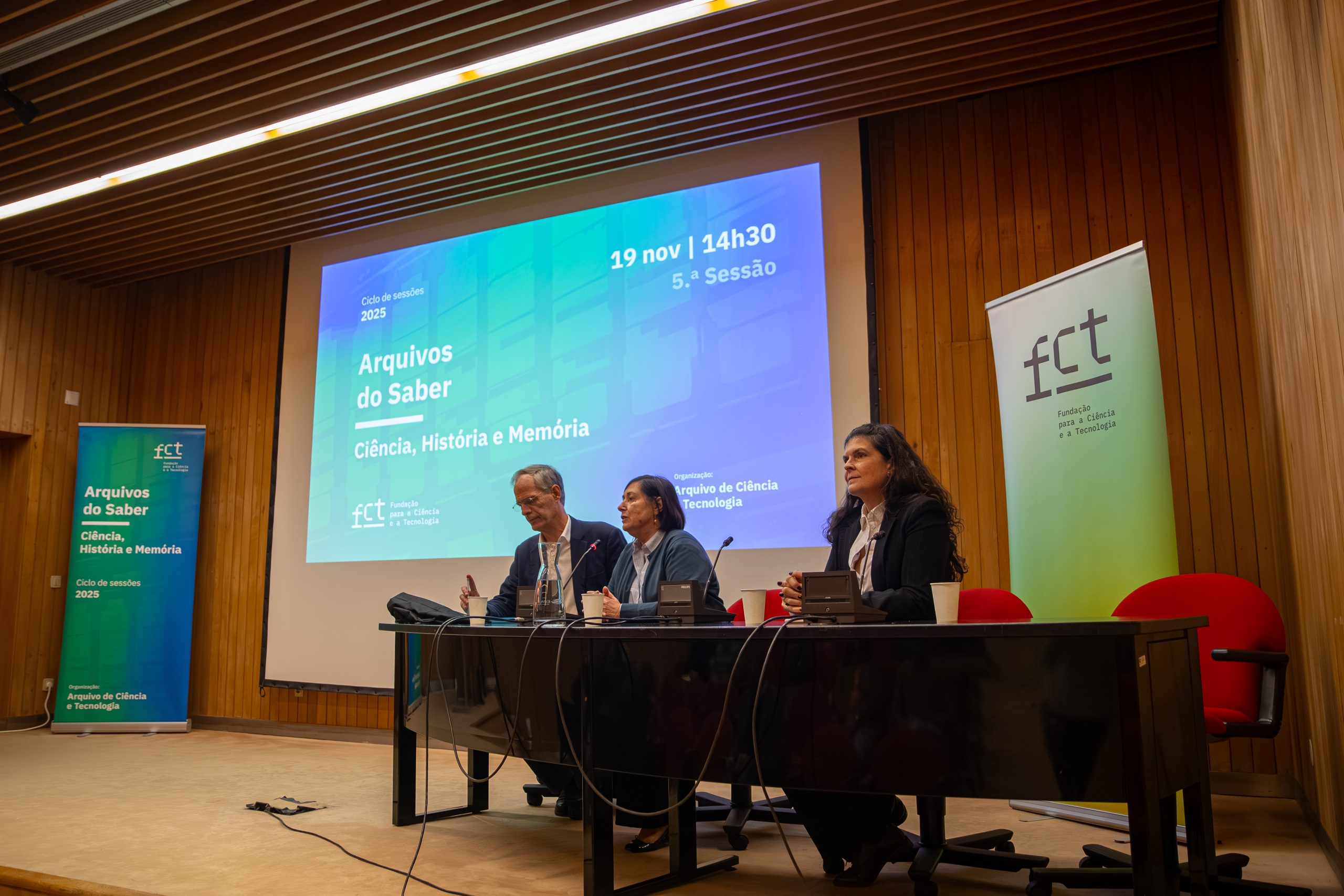
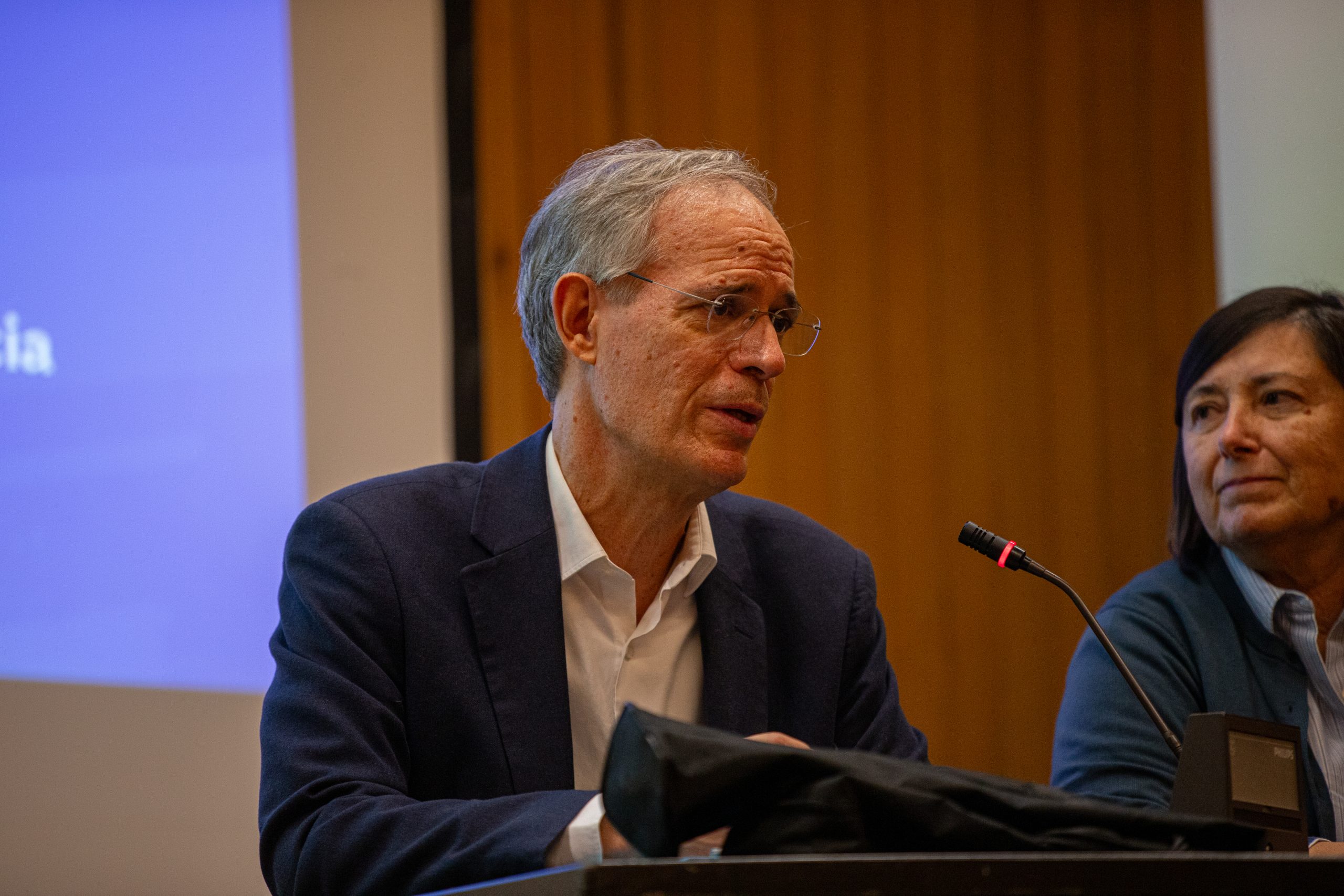
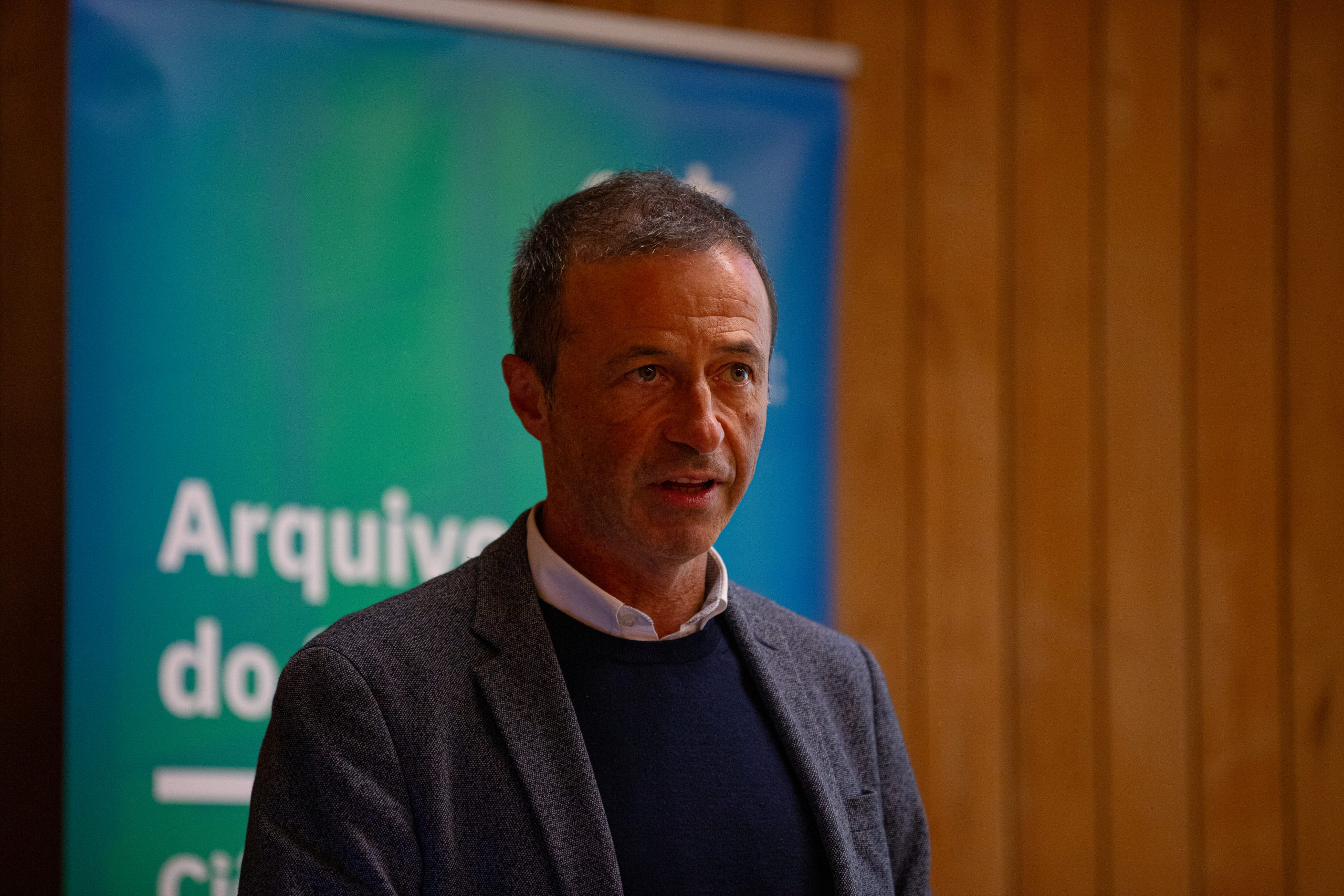
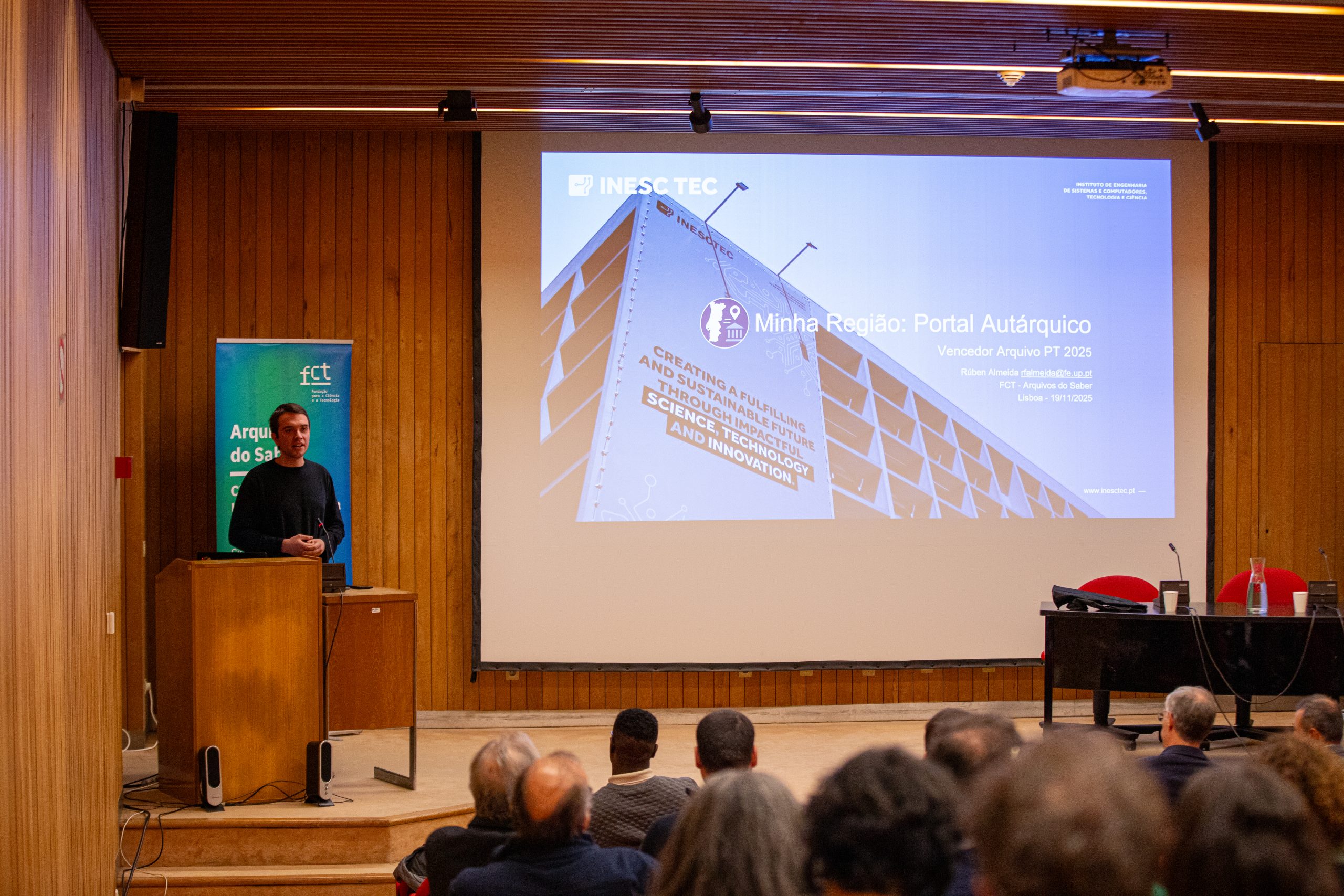
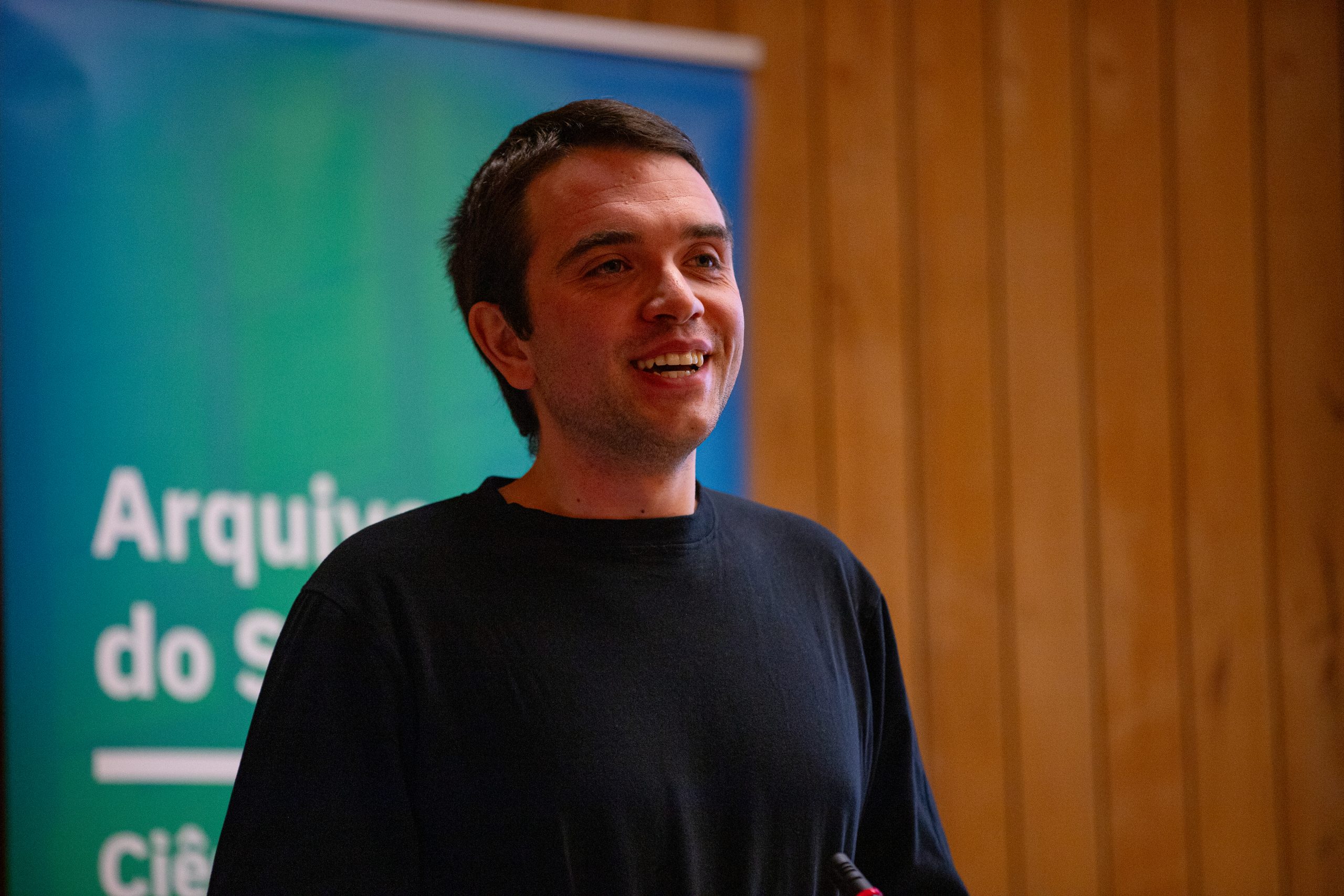
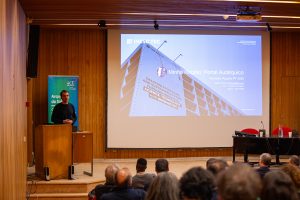
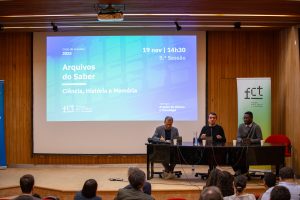
On 19 November, the last session of 2025 of the cycle Archives of Knowledge: Science, History and Memory (Arquivos do Saber: Ciência, História e Memória) cycle took place, an initiative of the FCT Science and Technology Archive.
The event took place in the small auditorium of the FCCN premises, FCT’s digital services unit, at Avenida do Brasil, 101, in Lisbon.
More than 30 participants attended, and it was an opportunity for them to learn more about Arquivo.pt.
Event programme
This session openned with speeches by Maria Paula Diogo, member of the Board of Directors of the Fundação para a Ciência e a Tecnologia (FCT), Paula Meireles, coordinator of the Science and Technology Archive (Arquivo de Ciência e Tecnologia), and João Nuno Ferreira, vice-president of FCT and general coordinator of the digital services unit, FCCN.
The Science and Technology Archive and the dissemination of its collection
The cycle Archives of Knowledge: Science, History and Memory (Arquivos do Saber: Ciência, História e Memória), organised by FCT, has been running since February this year, with the aim of disseminating the documentary collection of its Science and Technology Archive (Arquivo de Ciência e Tecnologia), as well as others relevant to the history and memory of Science and Technology in Portugal. The sessions are short and take place in an informal and sharing environment.
Image gallery
5ª sessão do ciclo Arquivos do Saber: Ciência, História e Memória, na FCCN
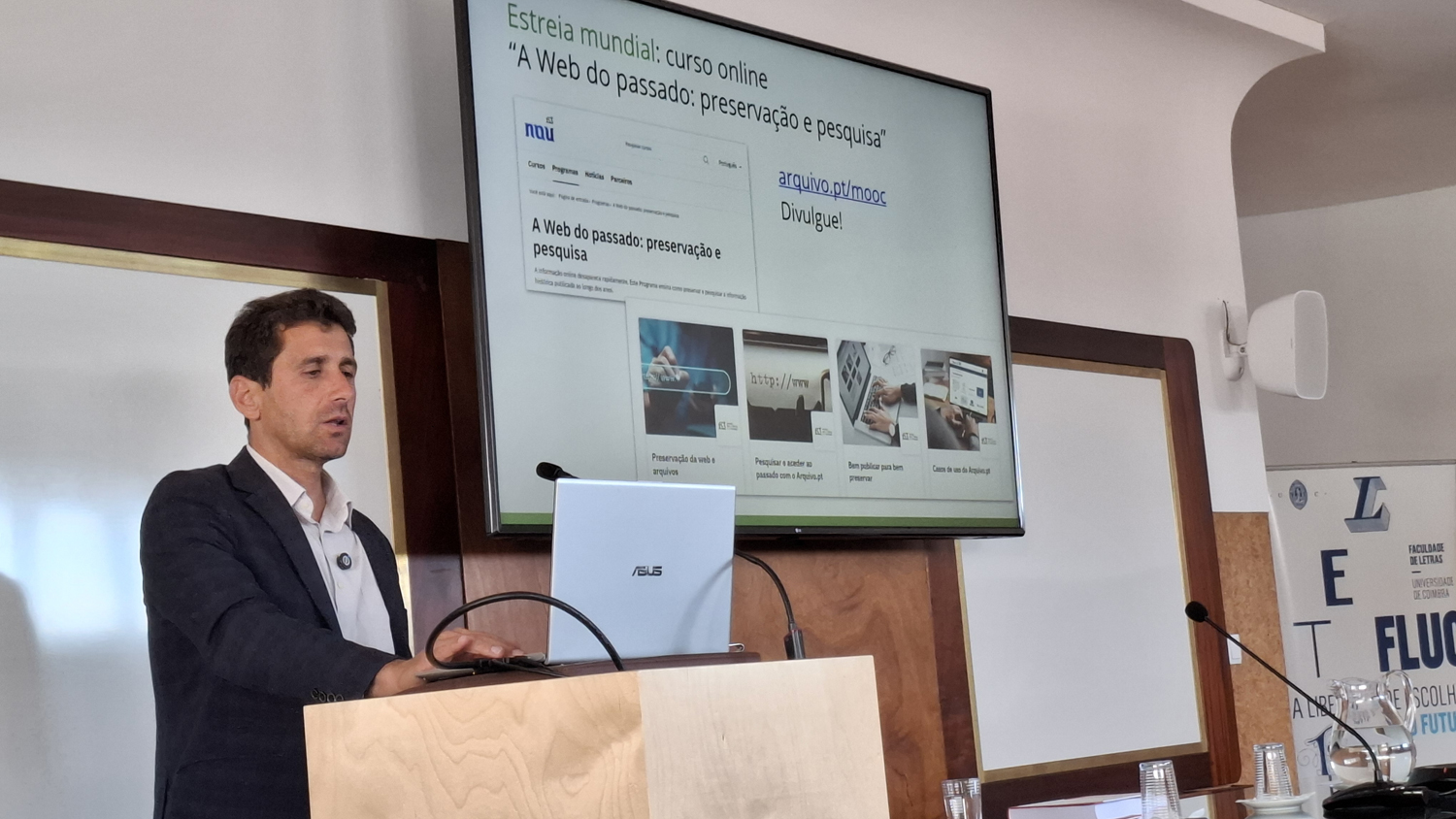
The online training programme on Arquivo.pt, entitled The Web of the Past: Preservation and Research, has been launched and is open free of charge on the NAU platform to anyone who wants to deepen their knowledge of web archiving and Arquivo.pt services.
The aim of this programme is to develop skills in searching the Web’s digital memory, with an emphasis on using Arquivo.pt both in everyday life and in the context of studies and research.
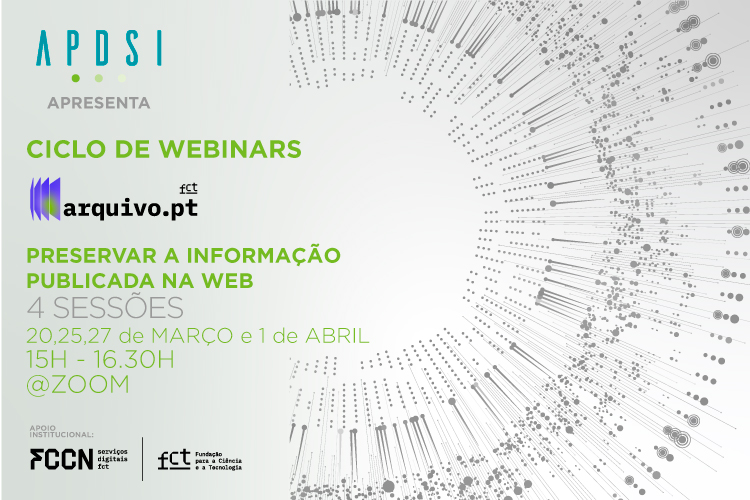
This Webinar Cycle, dedicated to the preservation of cultural memory published on the Web, is a collaboration between APDSI and Arquivo.pt, the FCCN digital services of the Fundação para a Ciência e a Tecnologia.
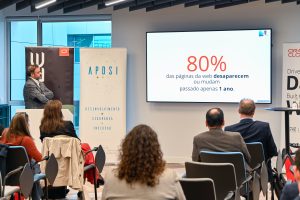
Luís Vidigal, Founding Partner of APDSI, Filipa Fixe and João Tavares, Board Members, introduced the theme of each session and the Arquivo.pt team showed how the preservation of web content works, allowing organizations and citizens to access the web of the past.
The four sessions had a total of 121 participants.
Program
Webinar 1 – March 20 – Arquivo.pt: a new tool for researching the past. Daniel Gomes, Head of Arquivo.pt – Vídeo, slides
Webinar 2 – March 25 – To publish well, to preserve well. Pedro Gomes, Arquivo.pt Collections Manager – Vídeo, slides
Webinar 3 – March 27 – Access and automatic processing of information preserved from the Web through APIs. Vasco Rato, Web developer, Vídeo, Slides
Webinar 4 – April 1 – Archiving the Web: do-it-yourself! Ricardo Basílio, Digital Curator – Video, slides
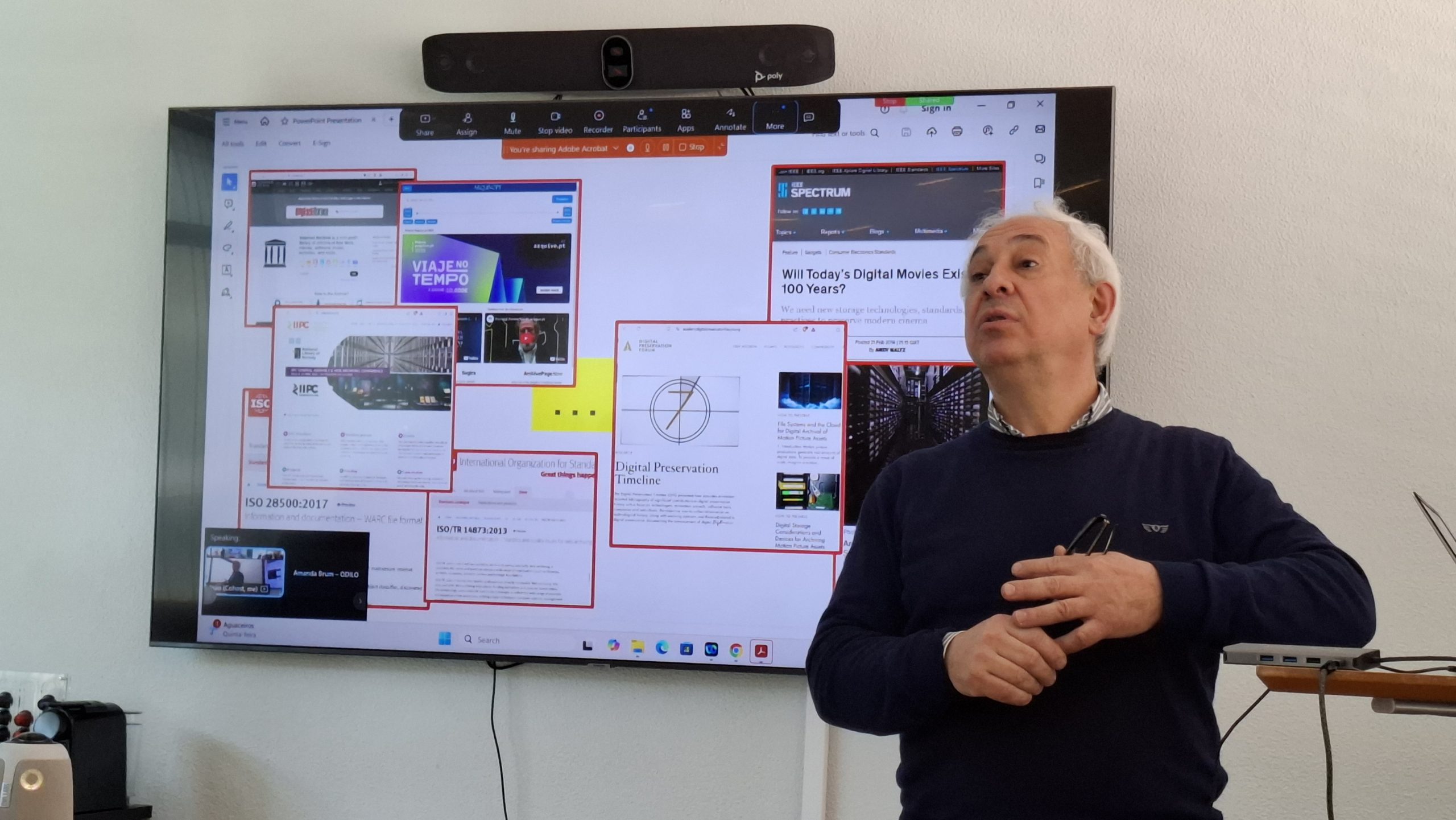
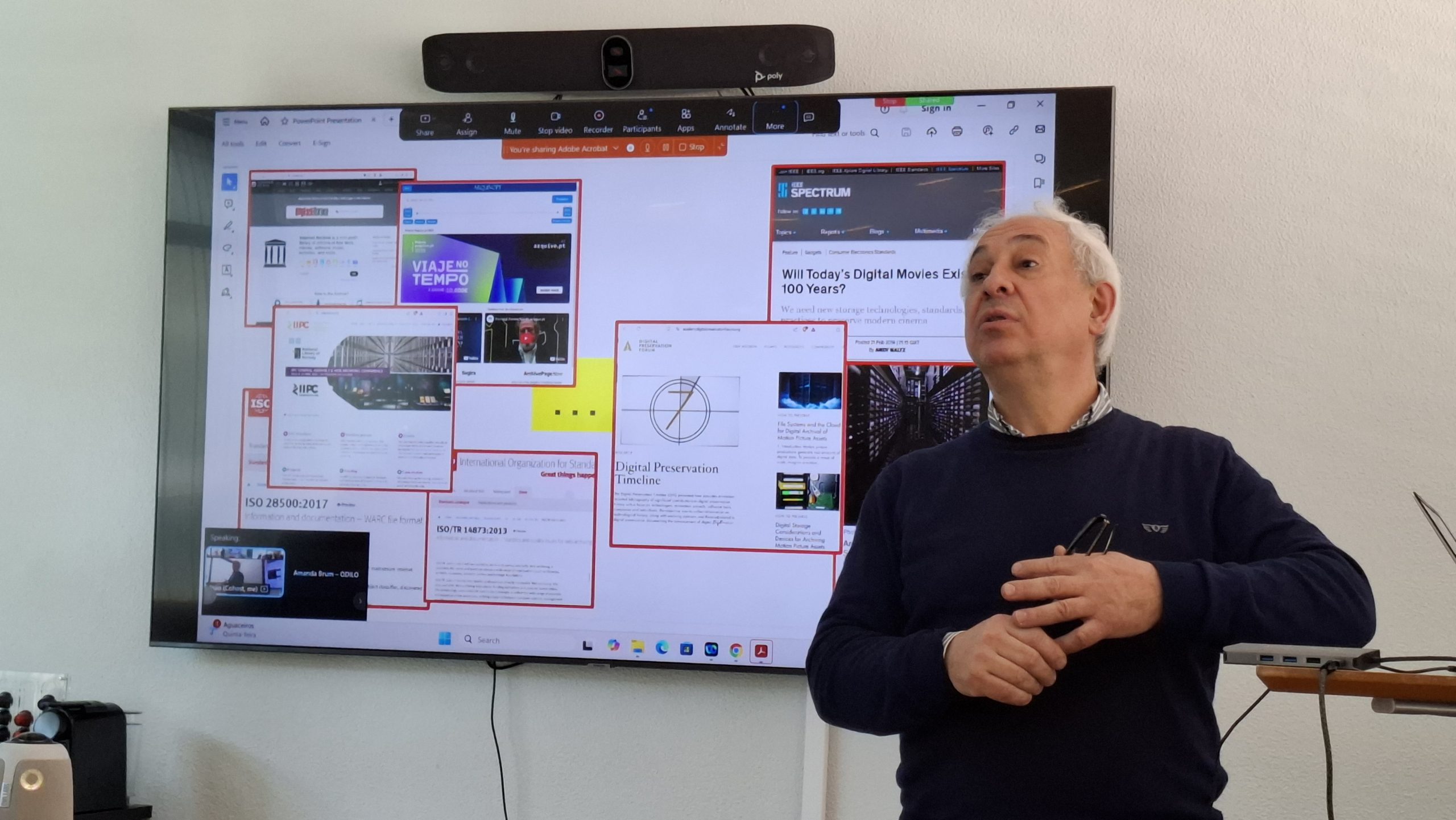
Professor José Borbinha, eArchiving workshop, 25 February 2025, at the Instituto Superior Técnico in Lisbon (José Tribolet Room)
Arquivo.pt took part in the eArchiving Portugal workshop, which was held at the Instituto Superior Técnico on 25 February 2025, at the invitation of Professor José Borbinha, one of the first people to do web archiving in Portugal when he worked at the Biblioteca Nacional in the 90’s.
Professor José Borbinha, better than anyone, knows how to tell in the first person the small, almost epic episodes, the actions of the first ‘heroes’ that led to the creation of a web archive in Portugal. He sees Arquivo.pt as an essential service when it comes to digital preservation and safeguarding organisations’ communication heritage.
The event had a hybrid format with 50 in-person and 270 online participants and was open to all public and private organisations concerned with digital preservation and information management in any type or format. This includes the content of websites and social networks!
eArchiving, a European initiative born in Portugal
The eArchiving Initiative‘s main objective is digital cultural heritage and was created at a meeting of European partners in Lisbon.
‘It was precisely in this room (the José Tribolet room at the Instituto Superior Técnico) that eArchiving began eleven years ago, on 29 May 2014,’ recalled José Borbinha (INESC-ID), host and organiser of the workshop.
Janet Anderson, manager of eArchiving, showed the progress made in eleven years in the field of digital preservation. The projects funded by the European Union within the consortium have resulted in the development of specifications, software, training and knowledge about digital preservation.
This was followed by a presentation of contributions to digital preservation in Portugal: DGLAB, by Pedro Penteado, Centro Hospitalar São João, by Fernanda Gonçalves, Ministério da Justiça, by Alexandra Lourenço and Cristina Soares, Arquivo.pt, by digital curator Ricardo Basílio.
Finnaly, Miguel Ferreira spoke on behalf of DLM Forum MTÜ , a community in which KEEP Solutions LDA participates by developing software. Taking a more technical approach, he showed how the metadata in the E-Ark packaging specifications is structured to fulfil the requirements of digital preservation.
How to use Arquivo.pt to preserve institutional websites
Digital preservation requires collaboration, both internally and externally between organisations, and this workshop served that purpose: sharing good practices, disseminating tools and services and connecting people.
Arquivo.pt highlighted three services from its catalogue for preserving content published on the web:
Arquivo.pt services can be used, for example, by municipalities to preserve content published on institutional websites.
Arquivo.pt training, such as webinars or face-to-face sessions, are useful for empowering organisations to take care of institutional content, including social media content that requires an alternative strategy.
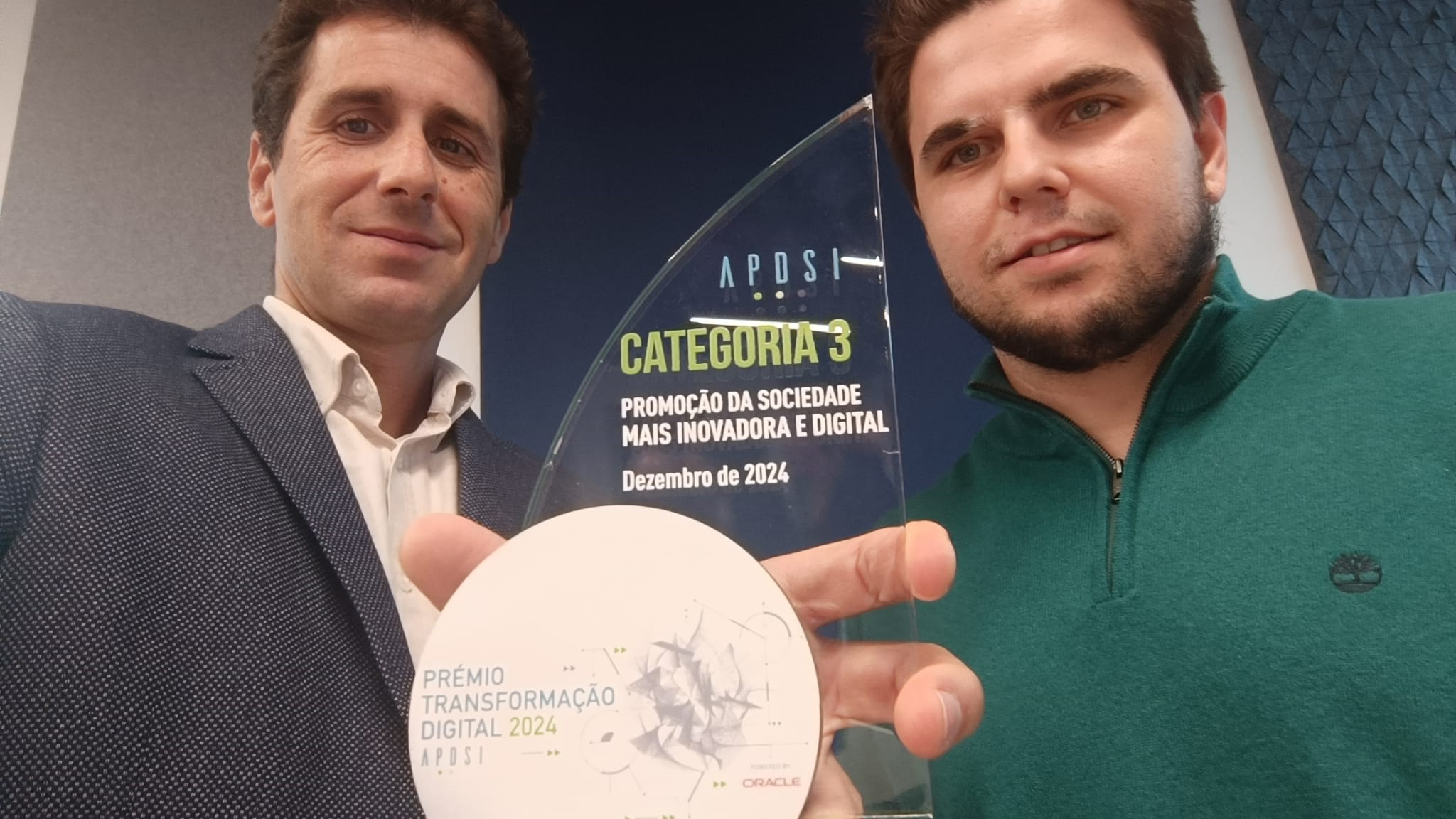
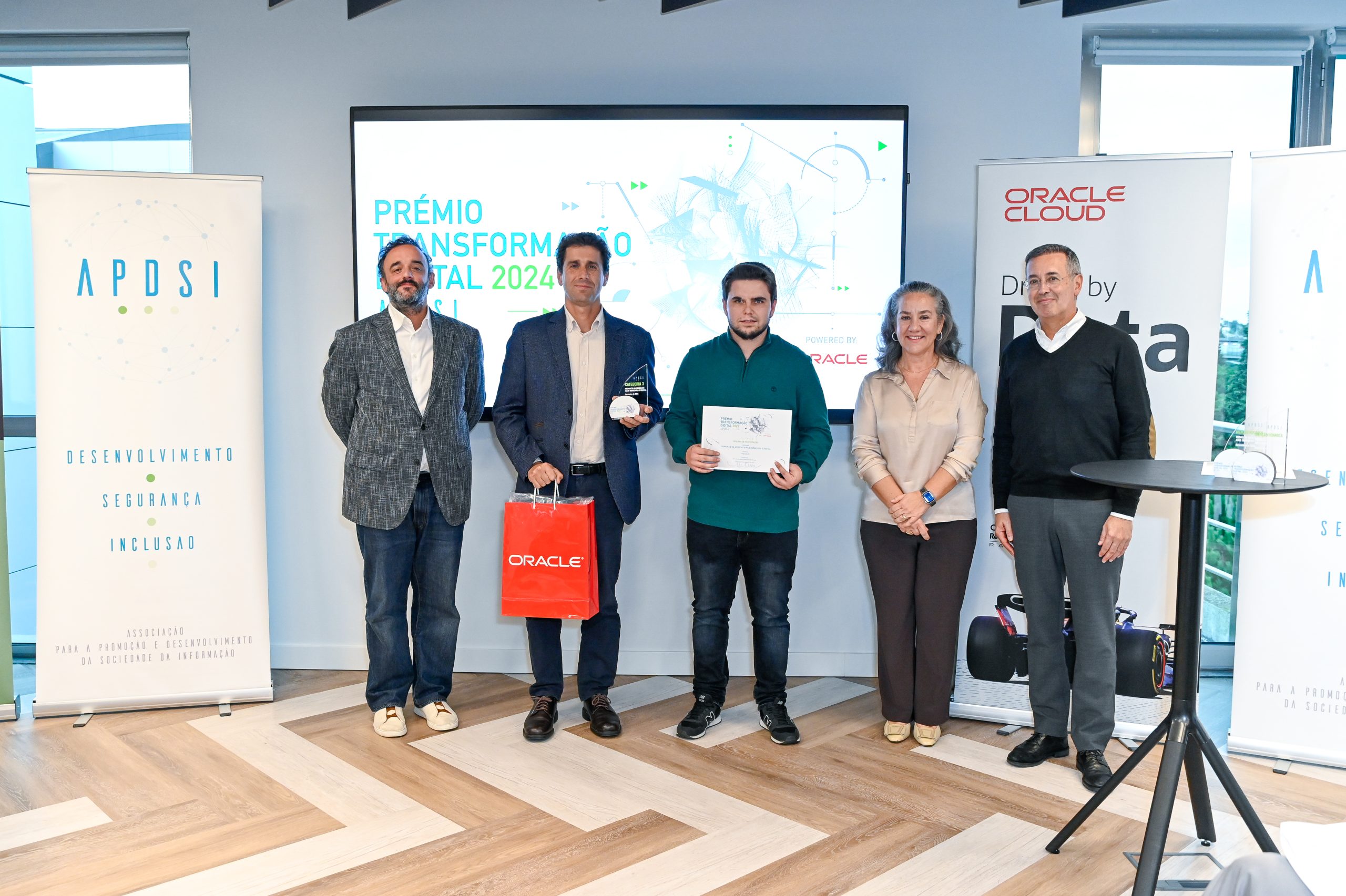
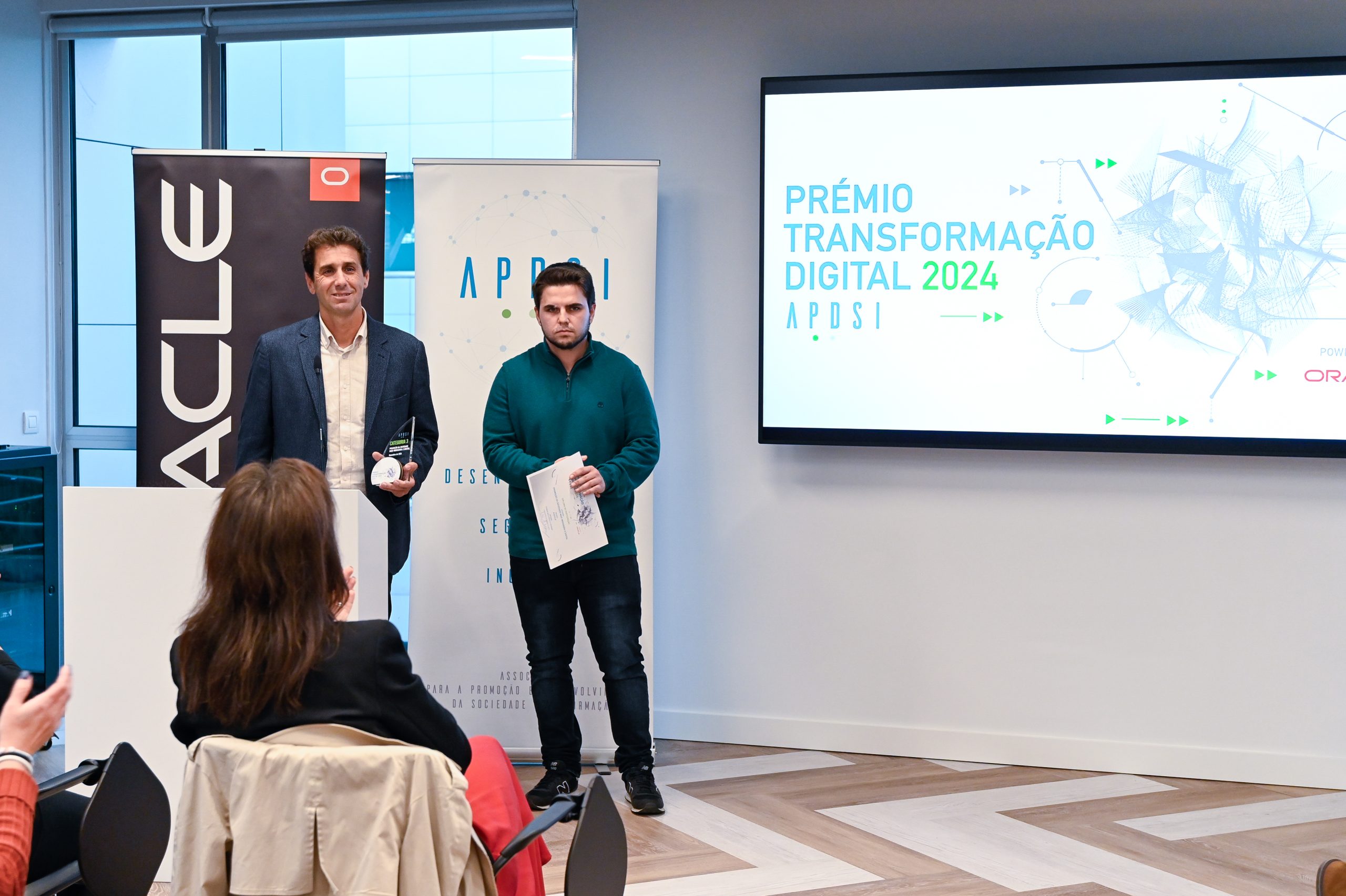
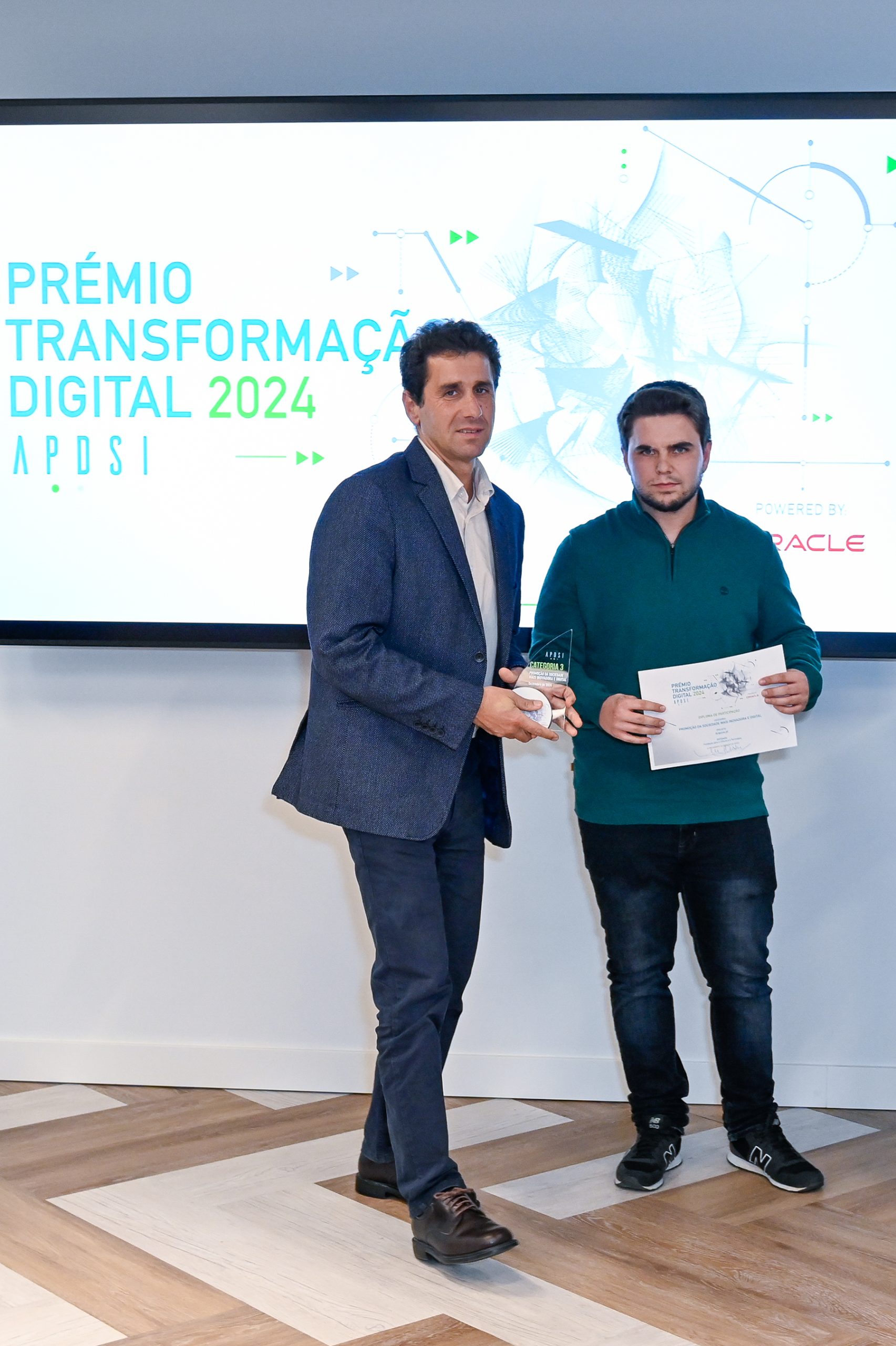
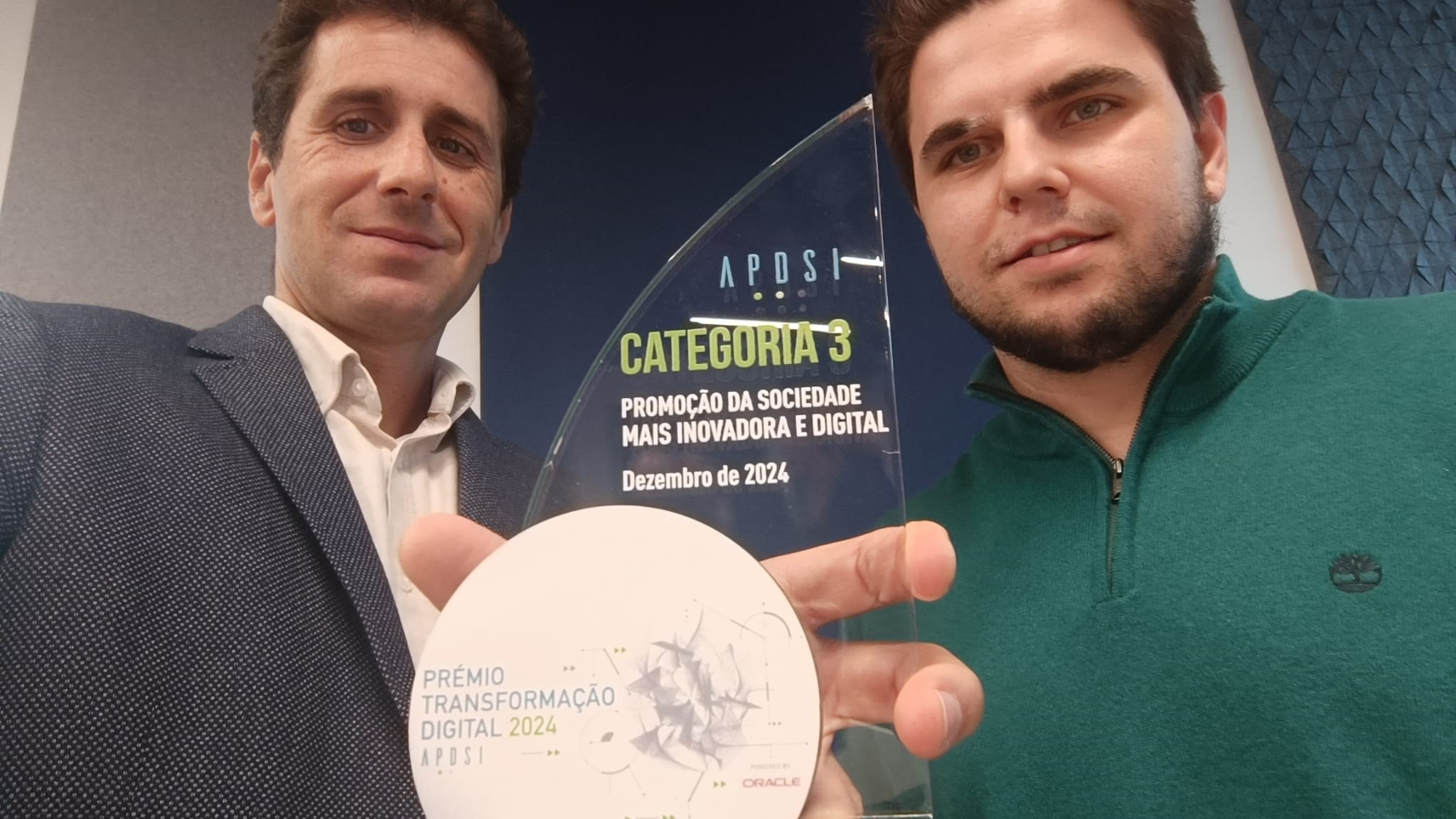
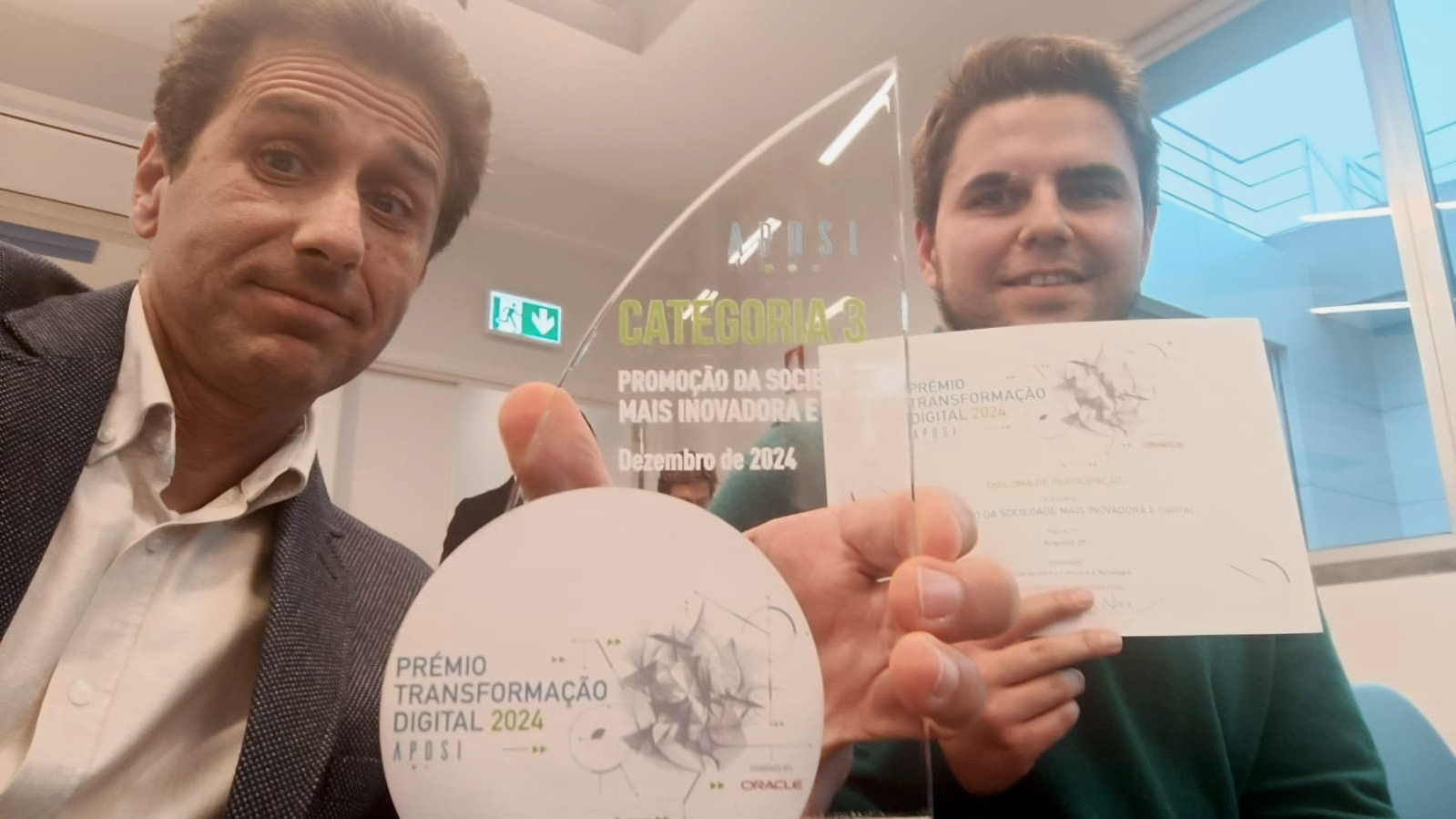
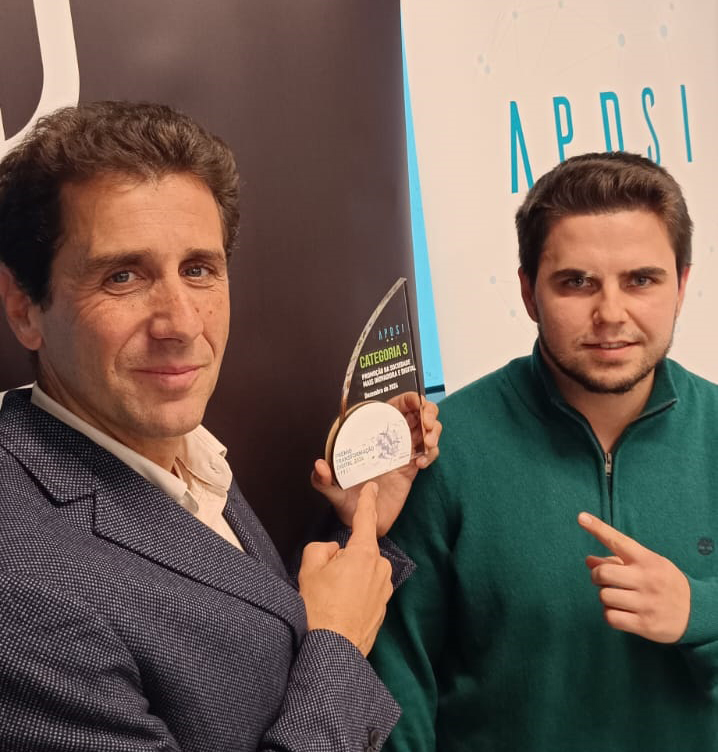
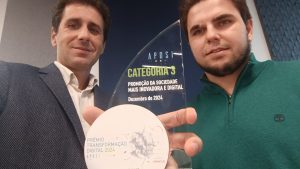
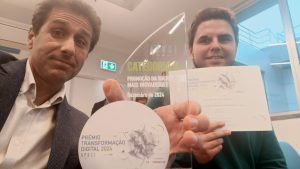
Arquivo.pt was recognised in the ‘Promoting a more Innovative and Digital Society’ category.
This category highlights the innovative aspect of organisations’ digital transition.
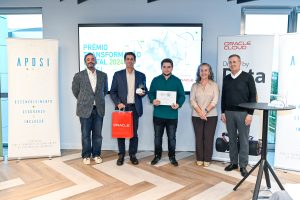
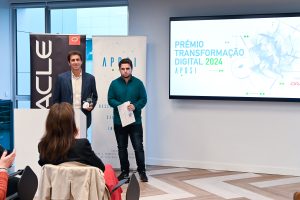
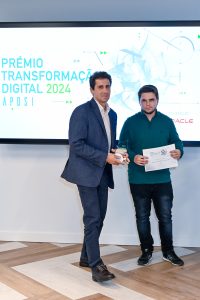
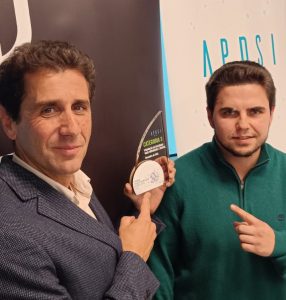
The manager of Arquivo.pt, Daniel Gomes, and the web developer in charge of Arquivo.pt’s collections, Pedro Gomes, were present at the ceremony, which took place in Oeiras on 3 December 2024.
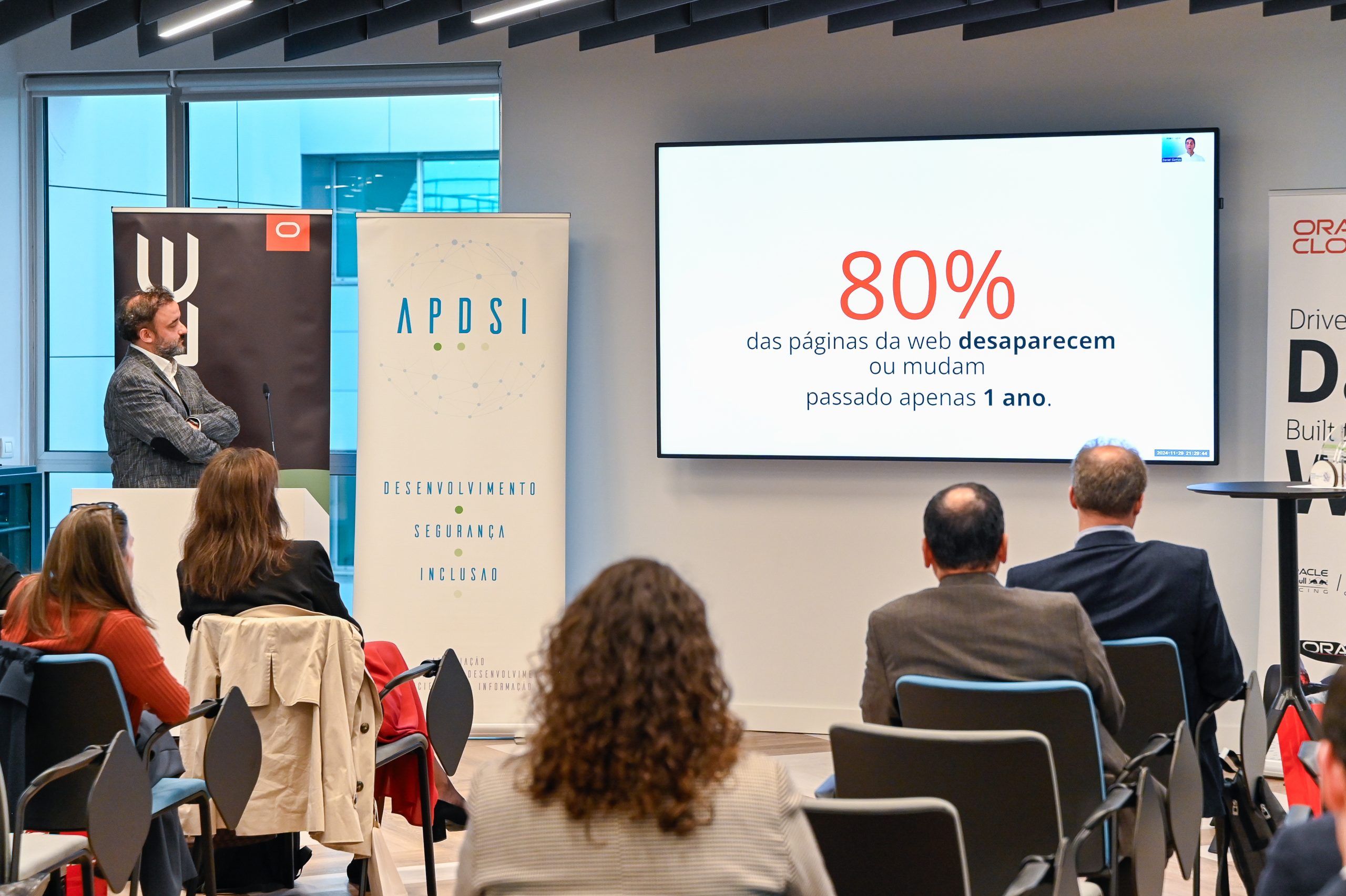
Daniel Gomes explains how a web preservation service contributes to a more sustainable information society, in a video prepared for the awards ceremony.
The Digital Transformation Award (4th edition in 2024) aims to ‘recognise and disseminate best practices in the adoption and implementation of information and communication technologies (ICT), with a view to a more digital society sustained by public and private institutions that are more efficient and closer to the citizen’ (APDSI website).
The 2024 edition of this award received 33 nominations in 3 categories:
Effectiveness/Efficiency of Organisations
Proximity to Citizens and a More Inclusive Society
The aim of this joint FCT team was precisely to bring about the meeting and sharing of experiences between various institutions that inevitably have to manage information, both in traditional formats such as paper and in digital formats.
The meeting had 243 participants and 29 speakers throughout the day. Nine of the twenty-seven presentations were submitted for a session called ‘Community Space’.
Digital information was the main theme of the speeches. At the opening, the Head of the DGLAB – Direção Geral do Livro, dos Arquivos e das Bibliotecas (Directorate for Books, Archives and Libraries), Silvestre Lacerda, recalled that the DGLAB was a pioneer among public organisations in tackling the issue of digital preservation. FCT vice-president Francisco Santos emphasised the economic value of data for scientific research.
Digital preservation is not just about technology, as Henrique São Mamede, Professor at Universidade Aberta, INESC TEC, said at the opening conference. It’s also about people, the human factor, the environment outside organisations and new sensibilities such as sustainability and ecology. Hence the importance of creating bridges, of using Artificial Intelligence, for example, in conjunction with ethics. Presentation.
Throughout the day, four panels brought together presentations on various preservation contexts such as the digitisation of sound, image and video, research data, regulatory frameworks, management systems for digitised or born-digital information, dissemination and access, and use in academic research.
Panel 1: Digital preservation initiatives and realities
The first panel was moderated by João Gomes, Director of Advanced Services at FCT, and brought to the table the diversity of contexts in which the issue of preservation and access arises. Here we highlight one aspect of each presentation and invite you to follow the links to learn more about these initiatives.
Moisés Rockemback, Professor at the University of Coimbra and co-author of the book Arquivamento da web e preservação digital (Web archiving and digital preservation), spoke about the first initiatives carried out in Brazil to preserve content published on the Web. The websites of the candidates in the Brazilian elections, for example, are ephemeral by nature but have become material for historiographical research by being preserved in a web archive. From a more theoretical perspective, he addressed the issue of memory. Preserving the web allows us to bring to light events that were only broadcast on digital media such as the web and, in this sense, postpones the end of history expressed in the metaphor of the ‘Dark Age’, a time of darkness, empty of information. Presentation.
Pedro Penteado, Director of Archival and Standardisation Services, presented a set of instruments that the DGLAB has developed, such as the Macro Estrutura Funcional (MEF) (Macro Functional Structure, the Avaliação Suprainstitucional da Informação Arquivística (ASIA) (Super-institutional Assessment of Archival Information) project and the Lista Consolidada na Plataforma CLAV (Consolidated List on the CLAV Platform), which allows the different public administration bodies to comply with legislation and standardise classification and assessment practices. He recalled that these tools are flexible to meet the specific needs of organisations. Presentation.
Pedro Príncipe, Head of the Documentation Services Division at the University of Minho, spoke about research data. The preservation of and access to data is fundamental to the production of science. To achieve this, it is necessary to combine initiatives and work in networks and create communities of practice. The GDI Forum is an example of how useful it is to meet professionals. Certification is highly recommended, as demonstrated by the University of Minho, which has certified its repository, as it is an extra reason to create robustness and to achieve the FAIR (Findable, Accessible, Interoperable, and Reusable) objectives. Presentation.
Hilário Lopes, RTP’s Deputy Director of Institutional Relations and Archive, described the path to digitalisation that has completely changed the way we access the RTP archive (Portuguese Radio and Televison). If until 2001 digitisation was done on request, from that year onwards the contents were massively digitised. Since 2007, the contents have been accessible in digital format, which has facilitated access and use. RTP Memória and Portal RTP are two examples of access to the audiovisual heritage of public radio and television. Presentation.
Panel 2: Preserving and reusing Web information
The theme of web archiving was highlighted in the second panel, moderated by Daniel Gomes, manager of Arquivo.pt and its initiator on 8 November 2007.
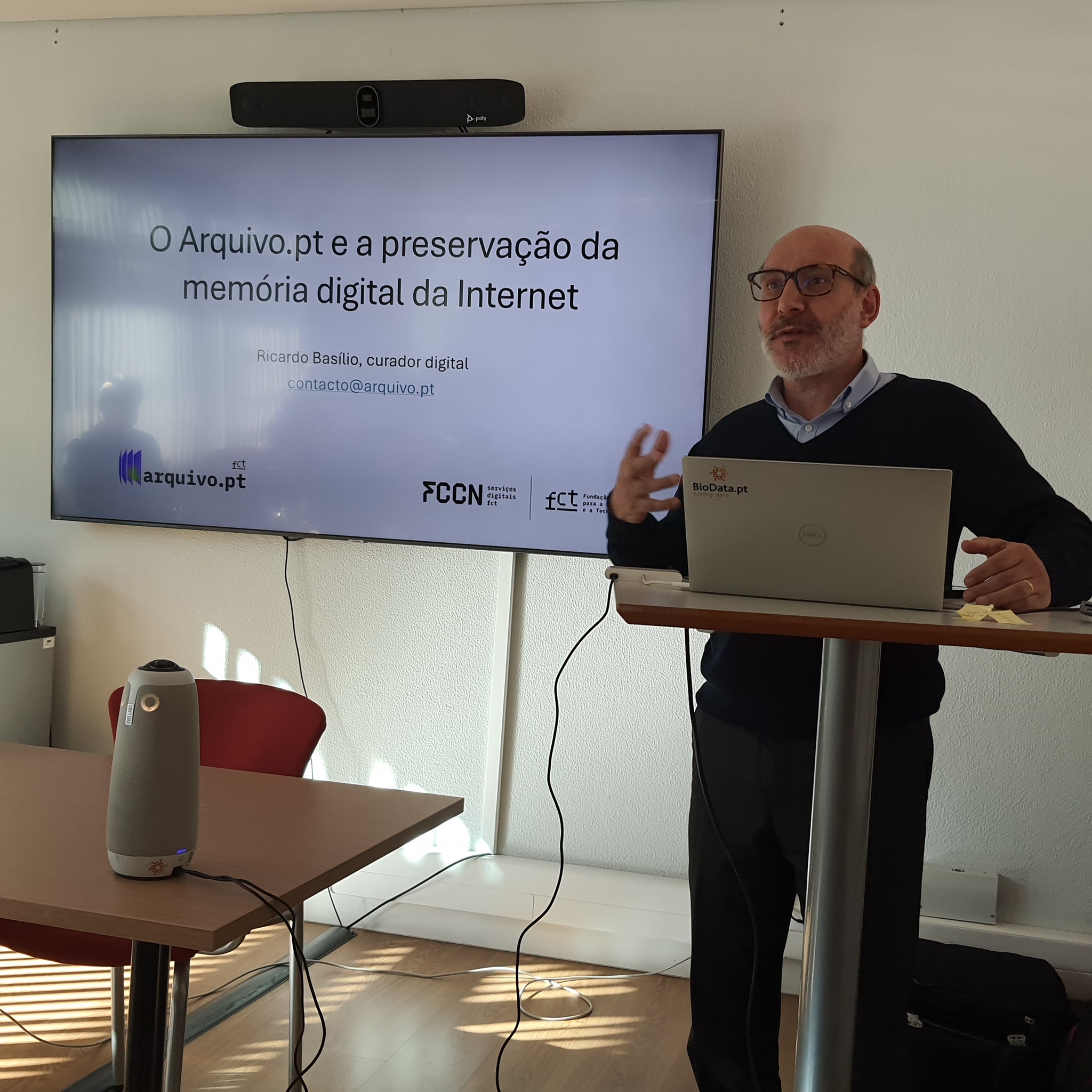
Ricardo Basílio, digital curator at Arquivo.pt, presented the online exhibition ‘Memories of 25 April on the Internet’, created in collaboration with the 50 Years of 25 April Commemorative Commission, based on preserved web pages. Select pages about the 25 April celebrations across the country were highlighted through a guided tour of the exhibition. Presentation.
António Campos and Hélder Mestre, from the Arquivo Municipal de Sines (Sines City Council Archive), showed how, since 2020, they have been preserving web content of local interest in collaboration with Arquivo.pt. They record web pages with ArchiveWeb.page, a Webrecorder tool, send a copy of the files to Arquivo.pt, transcribe images and videos verbatim, and also use PDF as the most traditional format for archiving news. The issue of accessibility to content for people with special needs is fundamental in the preservation process. Presentation.
Finally, Daniel Gomes emphasised how much has been done in the last 17 years in the field of web preservation, to the point where we now have a functional service that everyone can use. As a testimony to those early days, we found a page from Diário Digital newspaper from November 2006.
Panel 3: Preserving the present and safeguarding the future
The third panel was moderated by Paula Meireles, Coordinator of the Archive, Documentation and Information service at the Foundation for Science and Technology (FCT) and brought four other realities to the table.
Filipe Guimarães Silva, Executive Director of the Fundação Mário Soares e Maria Barroso, and António Coelho, Digital Reproduction Coordinator, delved into the technical issues related to digitisation, based on the case of the collection, which is also accessible on the Casa Comum portal. Quality control is the most important factor in obtaining a preservable digital version. You don’t always need expensive technology to get good results. It is essential to follow standards and ensure that quality metadata is generated. Presentation.
Fernanda Gonçalves, Director of Archives at the São João Local Health Unit, showed how the São João Digital Clinical Repository is transforming access to clinical files with advantages in terms of both speed and quality of information. The information management model at this huge institution poses immense challenges for preservation and continued access, as it involves creating interoperability between multiple systems. What’s more, this is sensitive data with different levels of access. This is where the archive comes in as an asset. The archive service must rise to the challenges of any organisation in order to serve all its ‘clients’. Presentation.
Augusto Ribeiro, head of the Documentation and Information Management Service at UPdigital, University of Porto, explained how the university collection is being preserved. From the treatment of paper documents to their digitisation and inclusion in the digital repository, it’s important to guarantee their robustness. This work has been progressive and systematic, i.e. it follows a plan where all the pieces fit together as the work is carried out. Presentation.
Pedro Penteado (DGLAB) presented the ‘Digital Preservation Guide’ project that is being developed in collaboration with the Asociación Latinoamericana de Archivos (ALA). This initiative will structure content on digital preservation in a pragmatic way. Soon, professionals will have a knowledge base to consult whenever they carry out digital preservation activities. Presentation.
Panel 4: Community space
The fourth panel, moderated by Paula Carvalho, from FCT’s Science and Technology Archive, included 9 short presentations submitted by the community. Below, we present the abstracts submitted by the authors:
Justiça do Futuro: + Digital – Alexandra Lourenço, Albertina Catrola, Alexandra Henriques, António Dias, Cristina Ferreira, Inês Nunes, Rute Ramos | SGMJ
It was shown the work that the Commission has been doing to identify archives, documentation centres and collections of all kinds with material about 25 April. There are public collections that are practically unknown, and others that are in private collections. Inventorying and publicising them is therefore the first step in promoting study and knowledge about 25 de Abrril.
Finally, Maria Inácia Rezola announced the award of the Honourable Mention ‘25 de Abril and Democracy’, together with a prize of 5,000 euros, in the Arquivo.pt Award 2025, to the best work on 25 April that uses Arquivo.pt.
Image gallery
Encontro Dia Mundial da Preservação Digital 2024 #WDPD2024
Credits: photos by Leonor Arrimar (FCT). Included are some images of mobile devices sent in by participants.