Arquivo.pt in Porto at the Jornadas FCCN 2026

thumbnail-jornadas-fccn-porto

Last updated on May 27th, 2026 at 02:25 pm

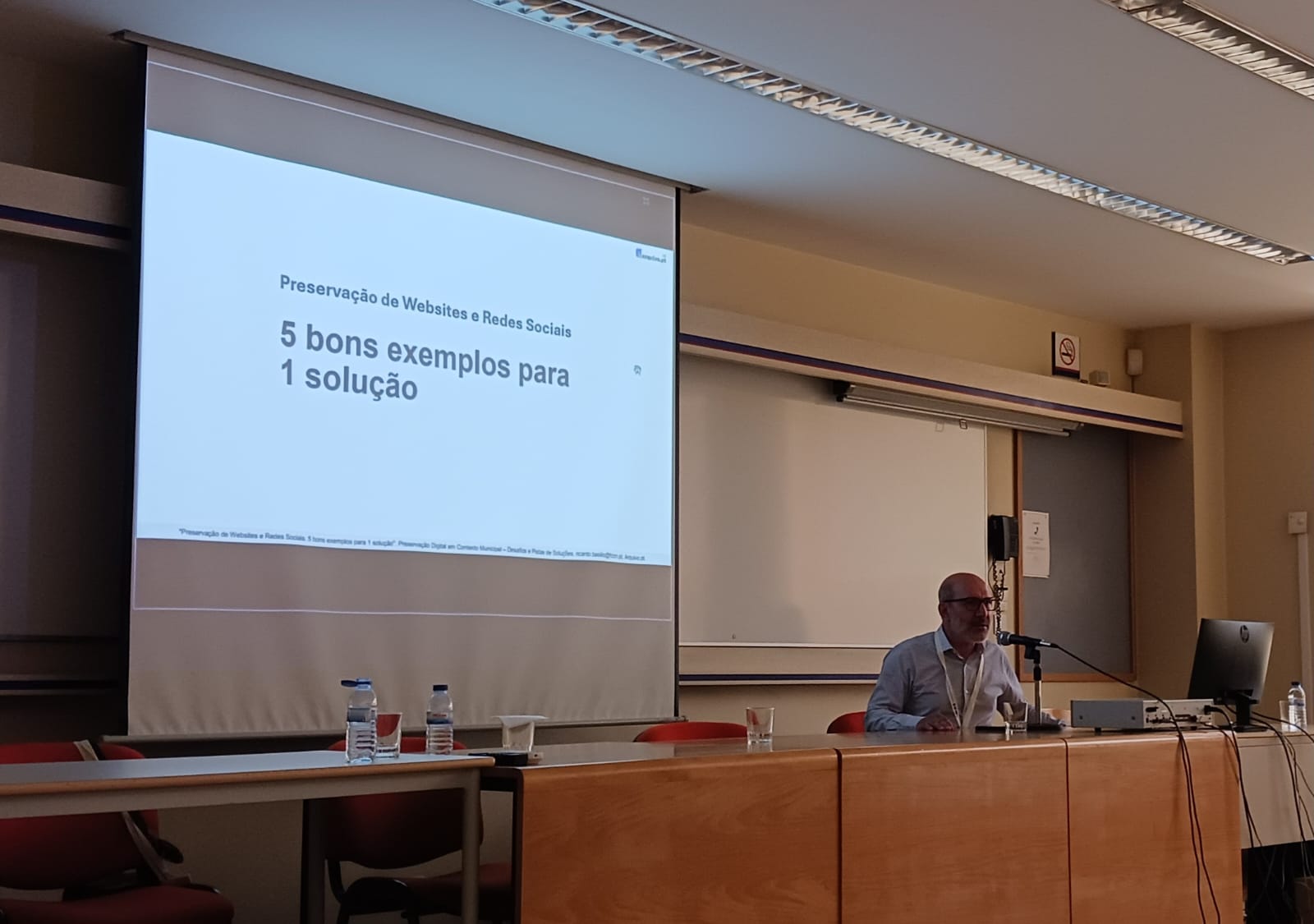
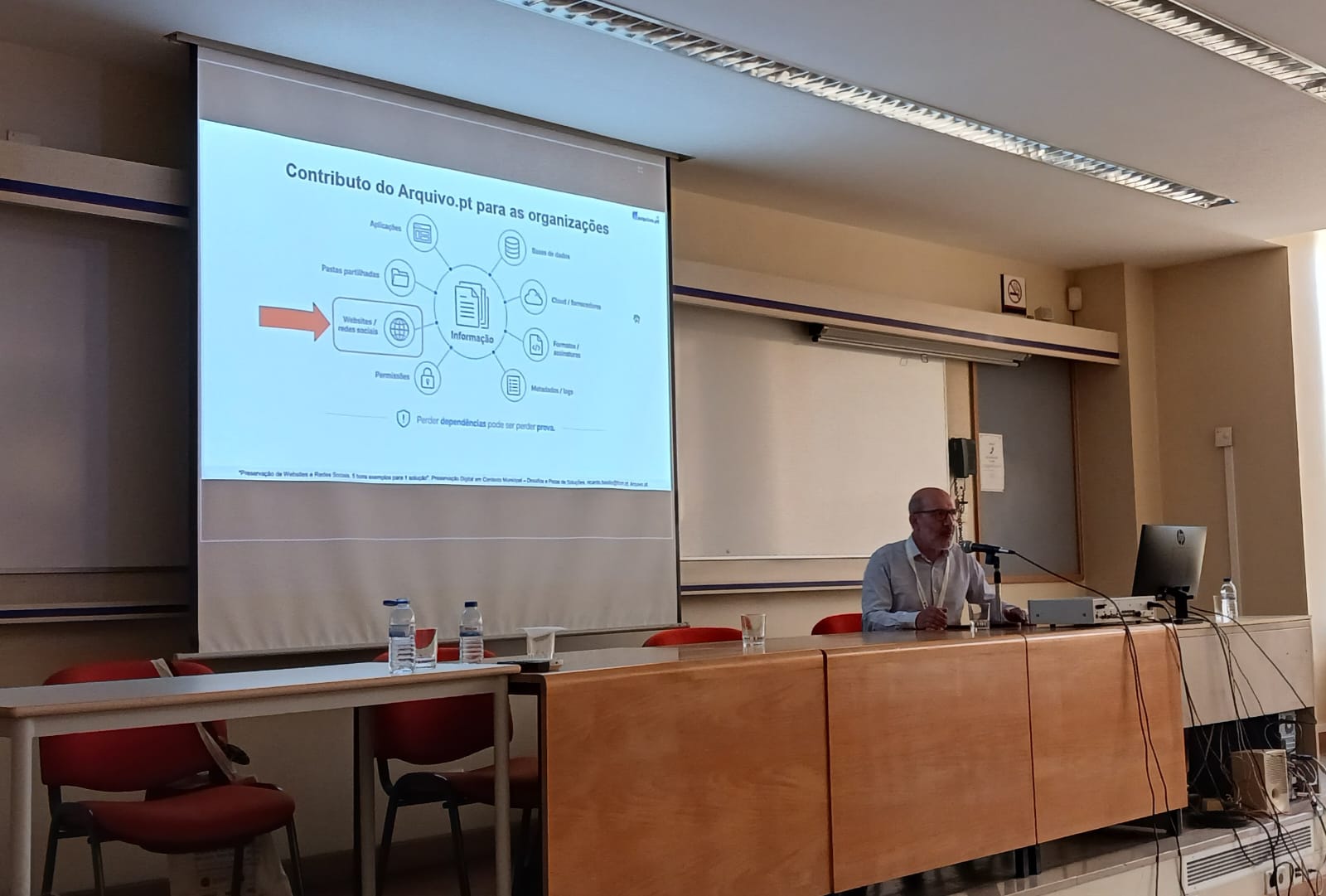
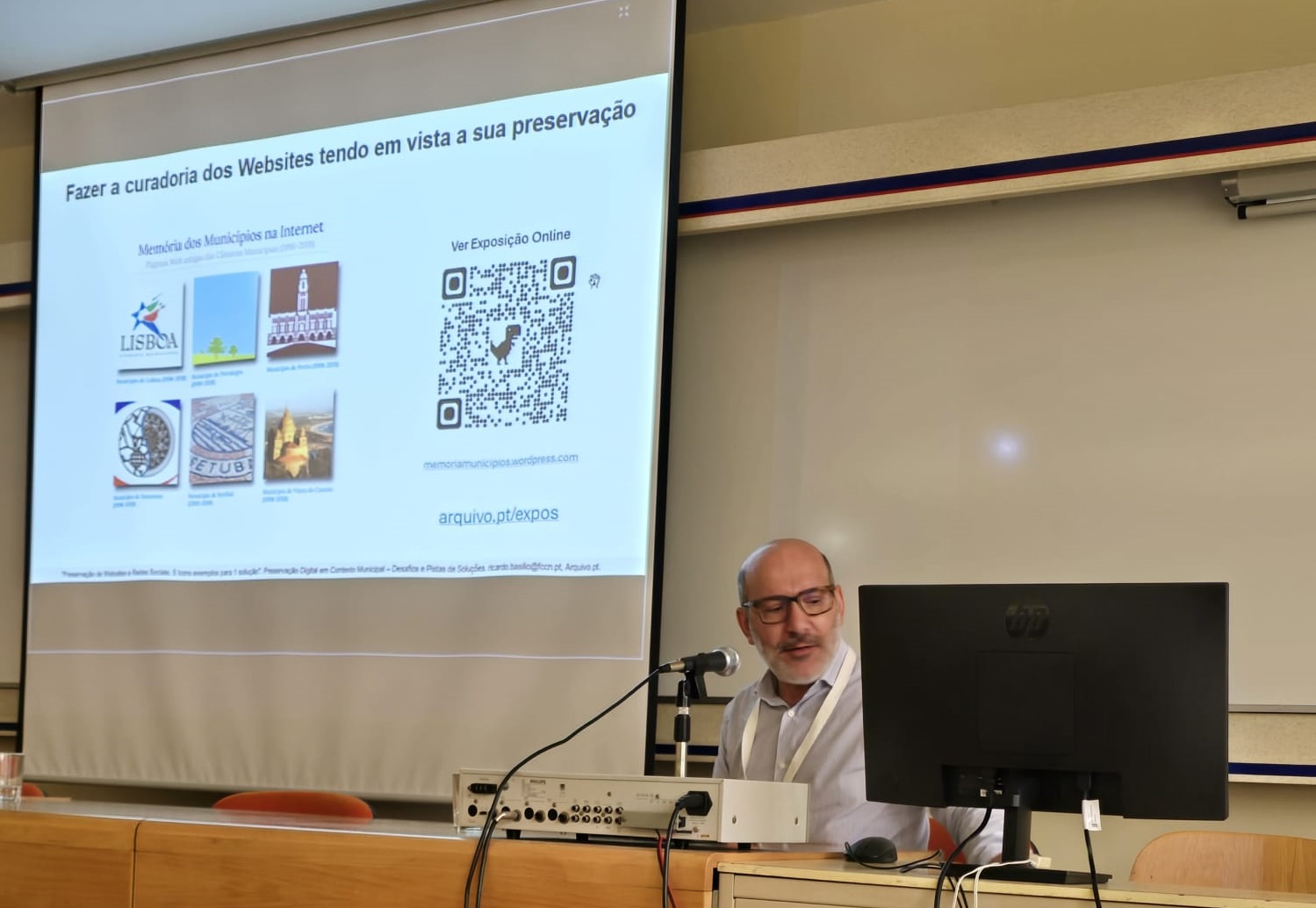
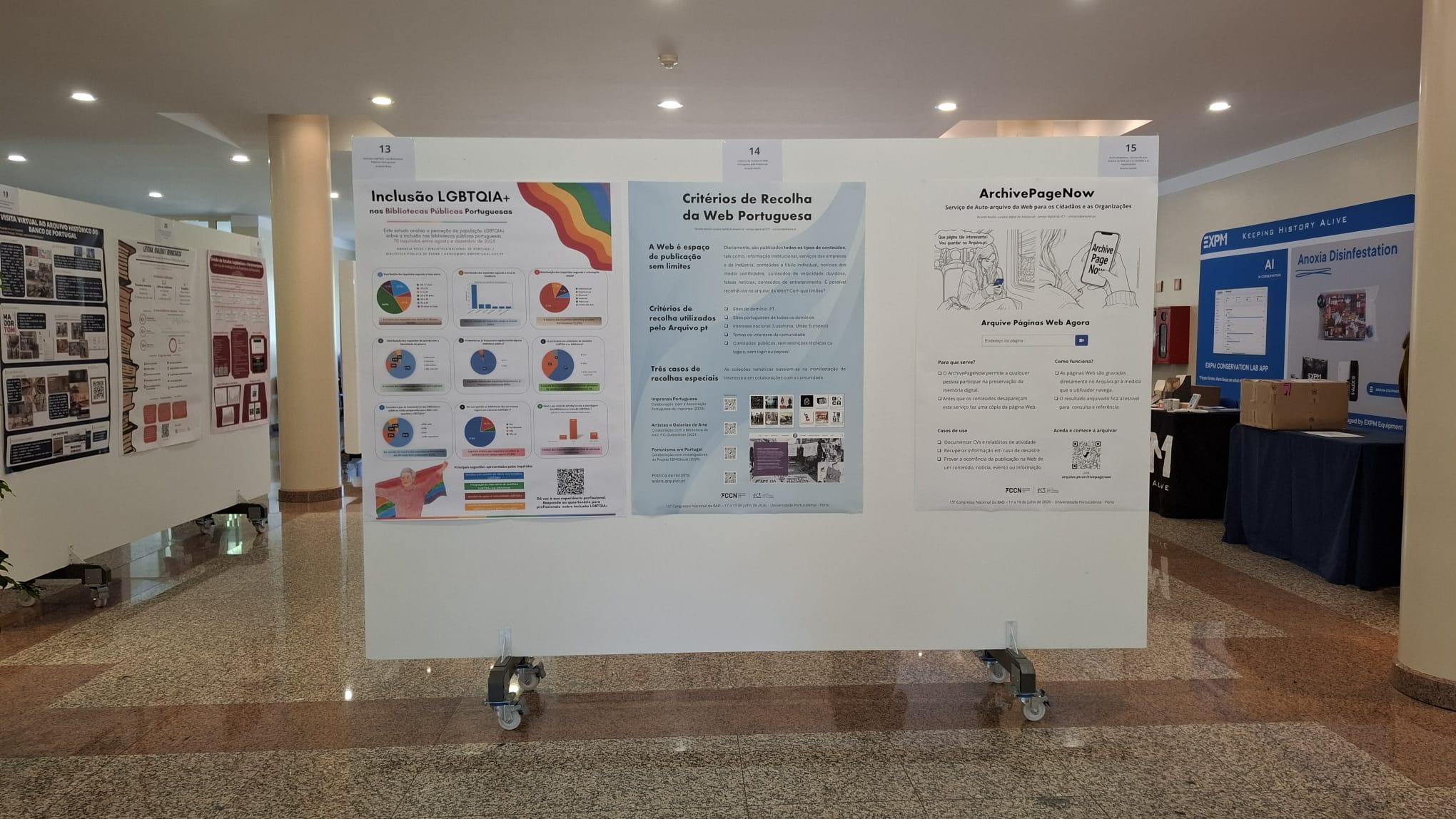
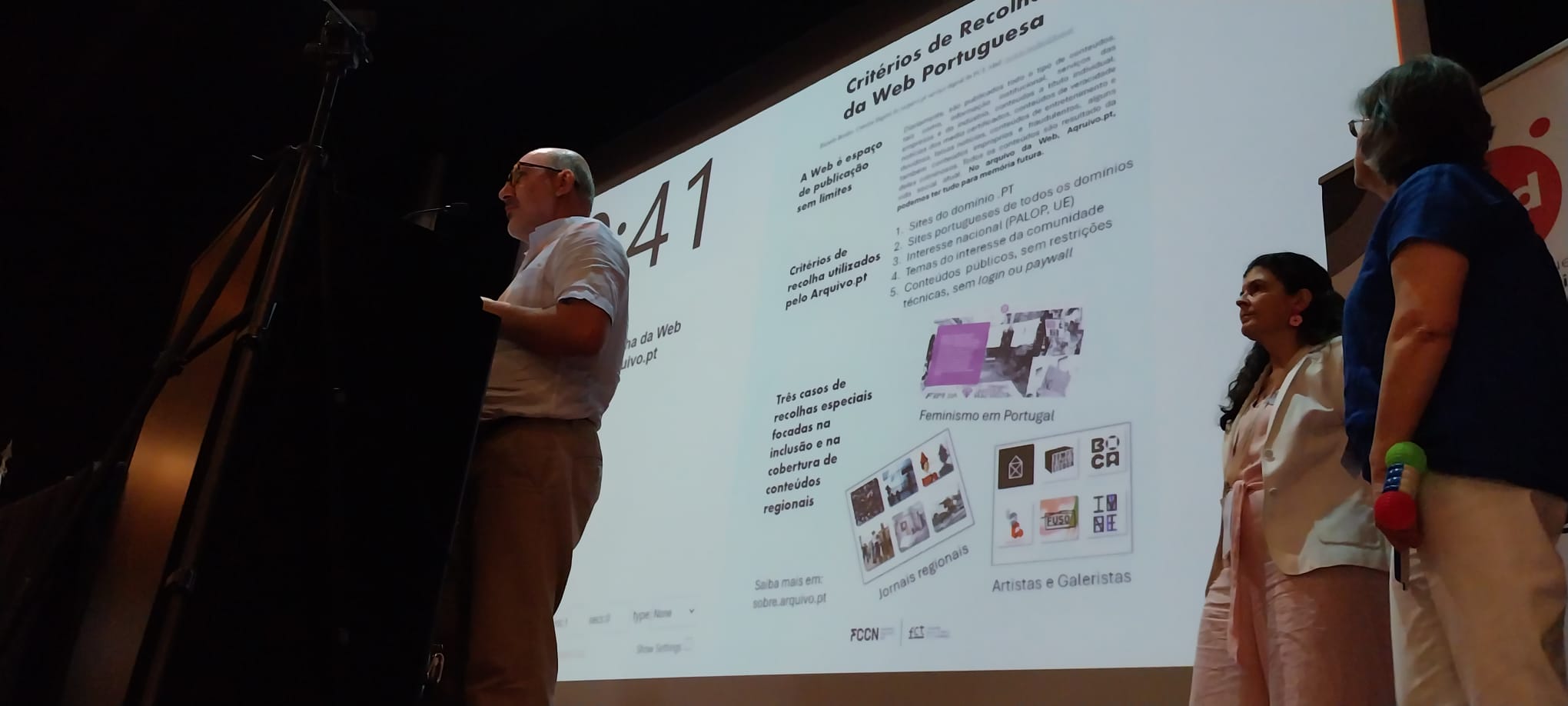
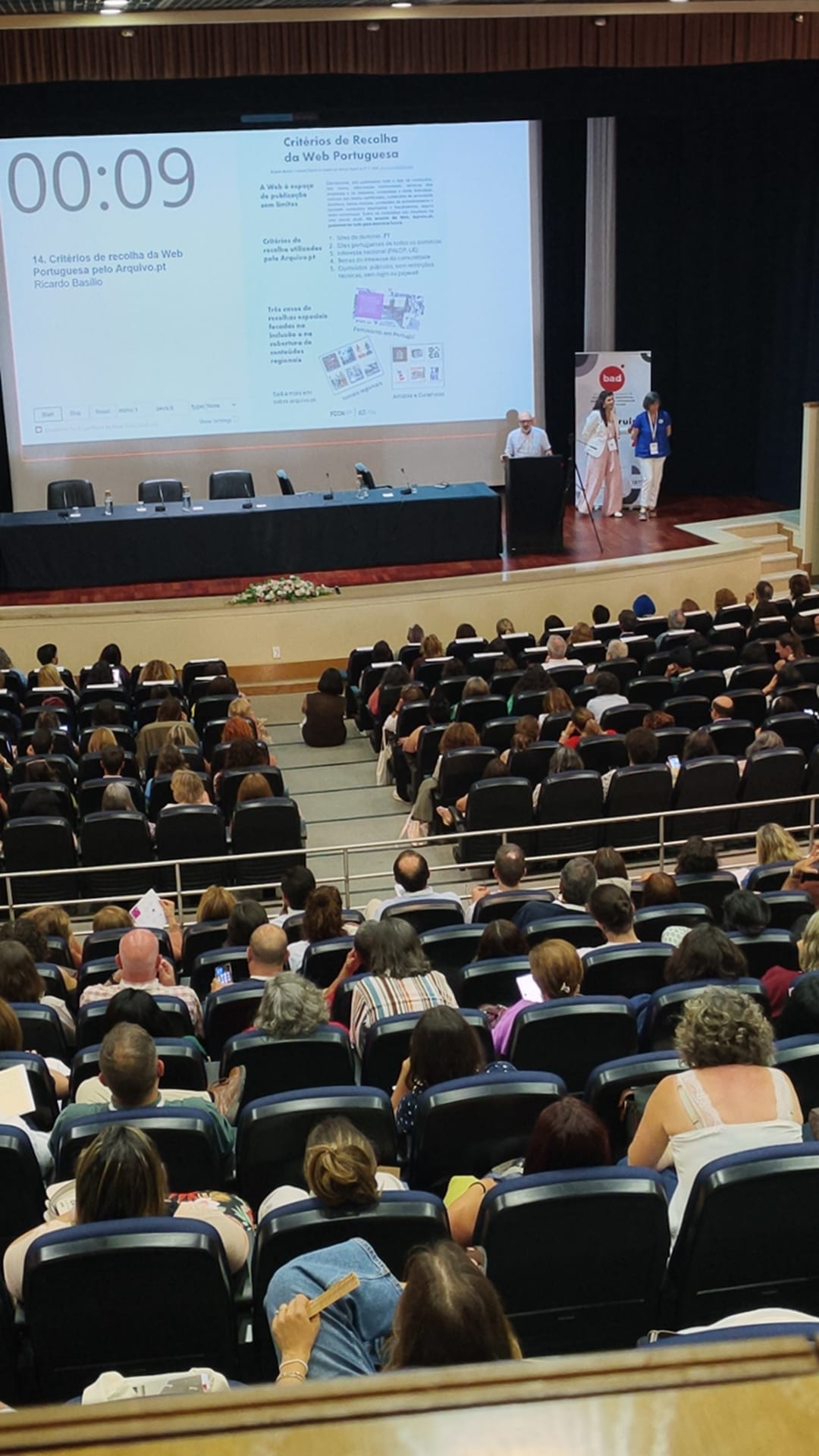
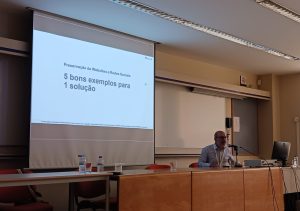
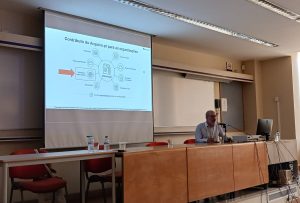
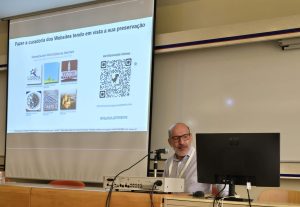
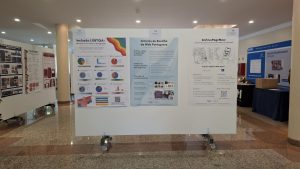
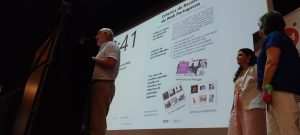
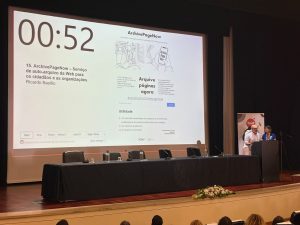
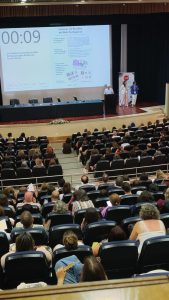
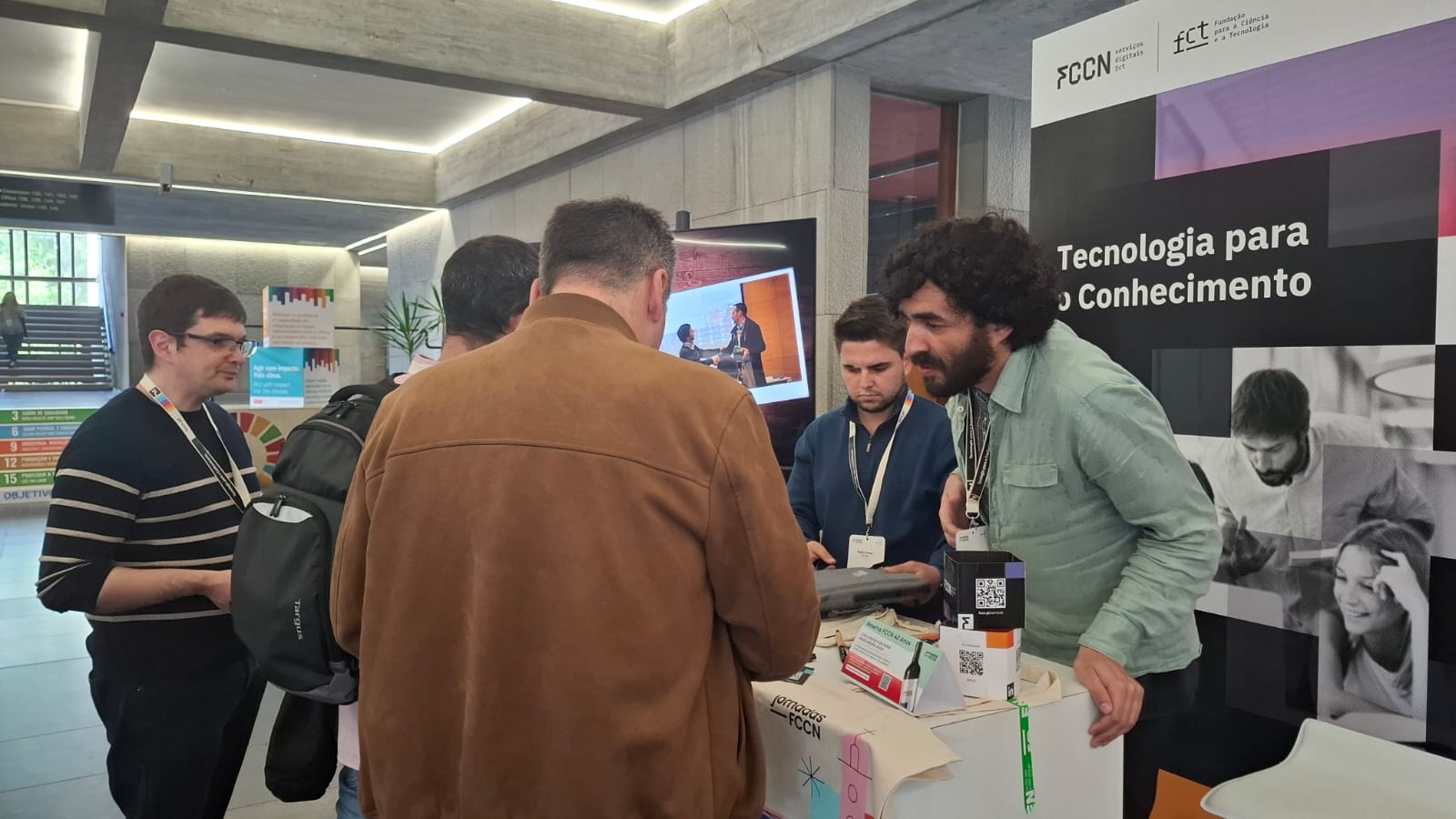
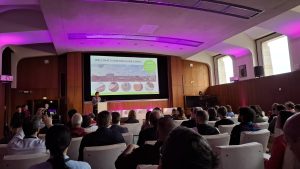
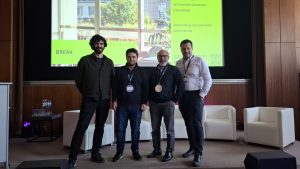
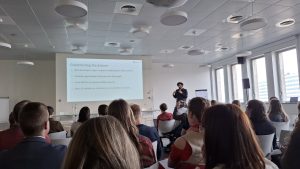
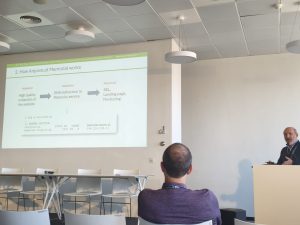
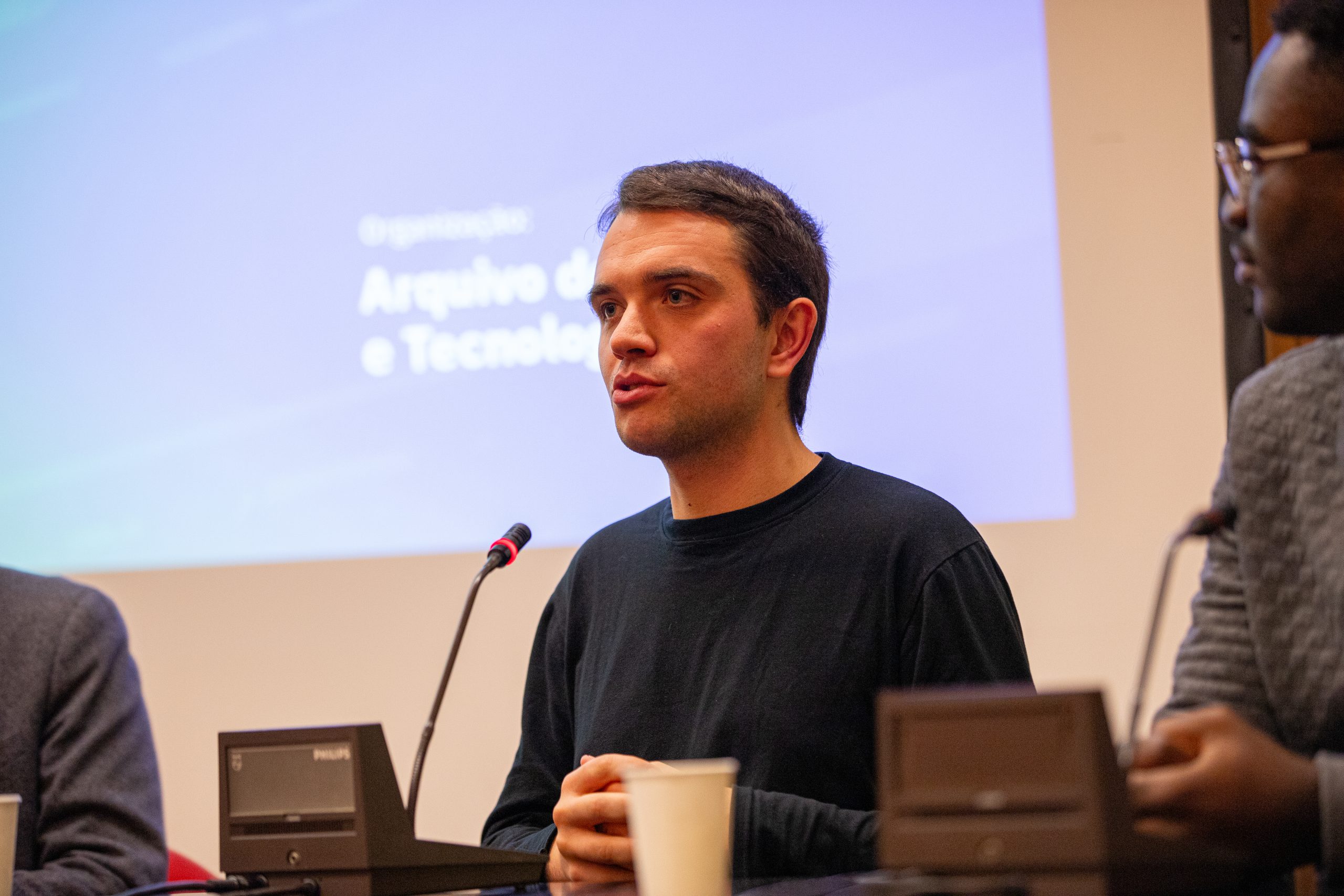
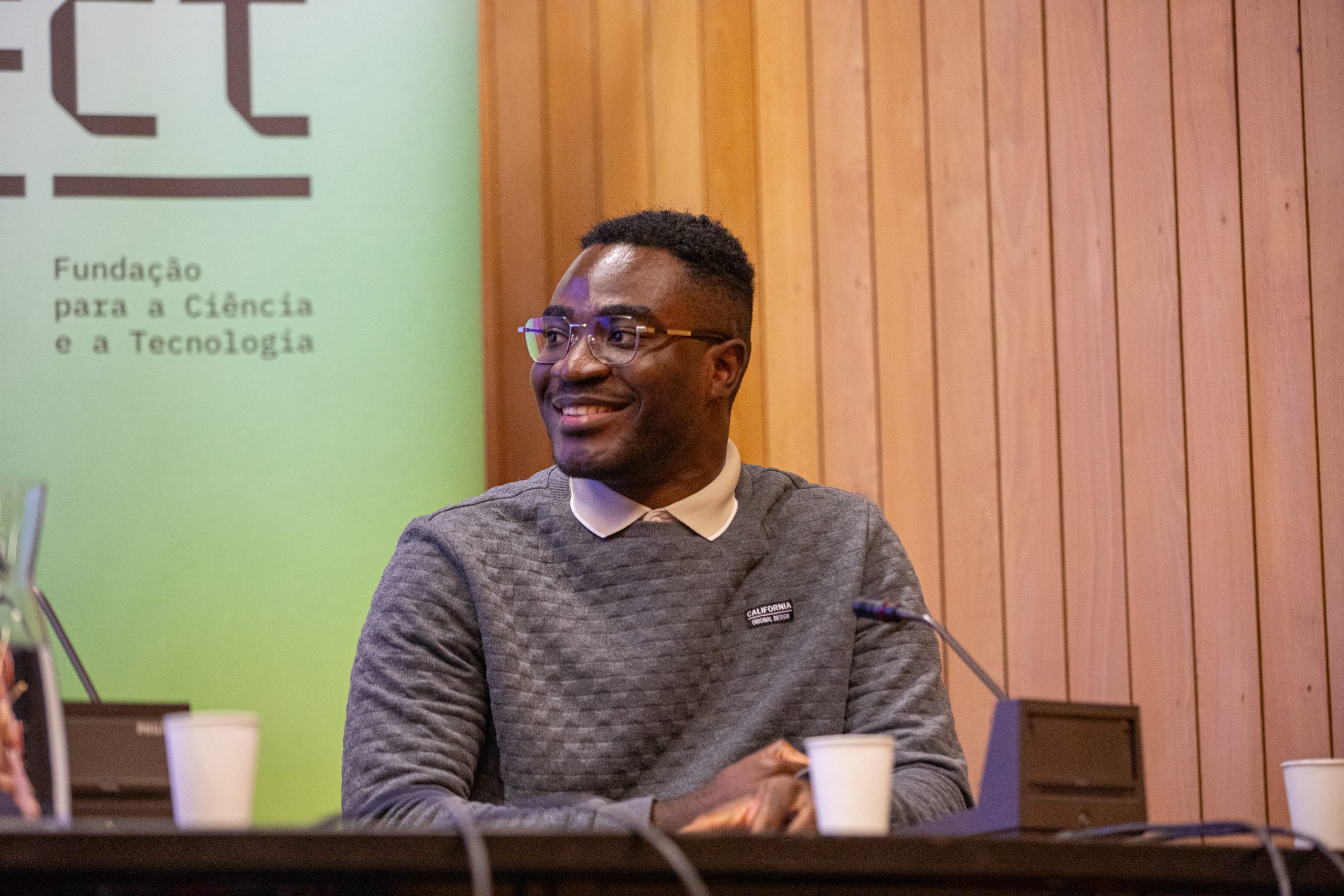
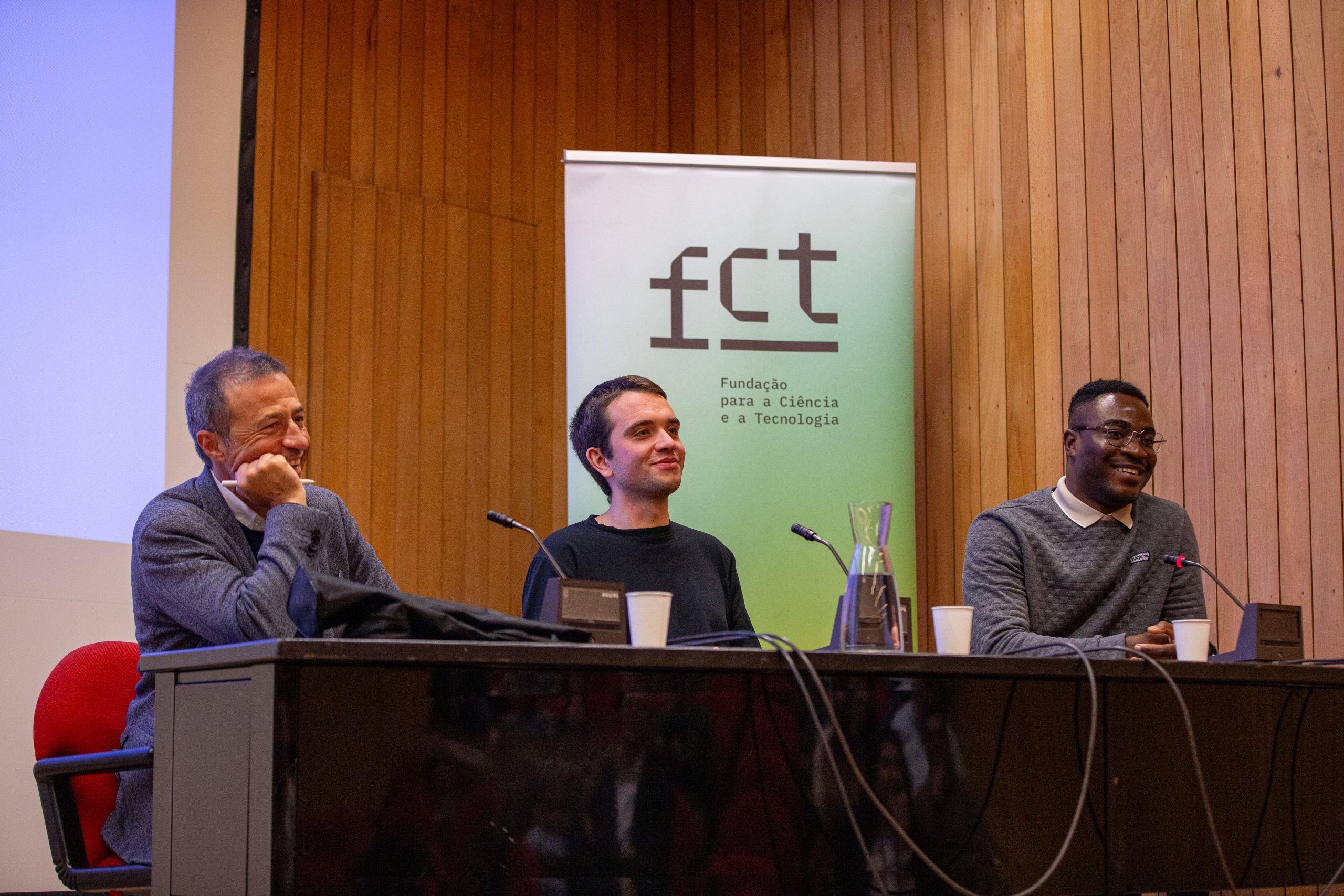
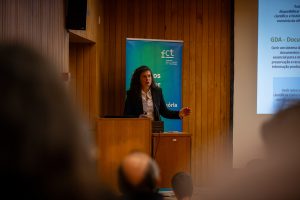
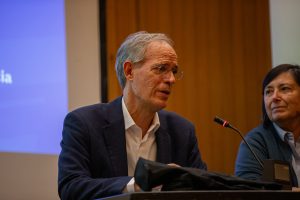
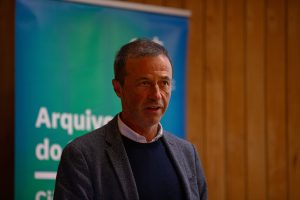
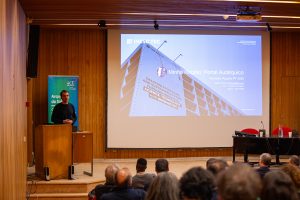
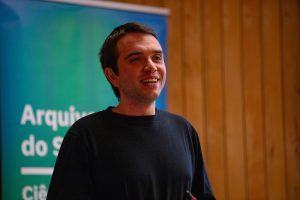
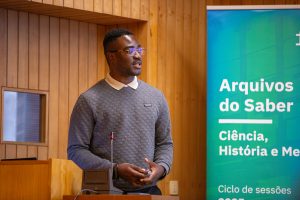
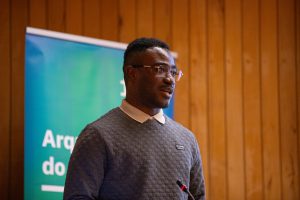
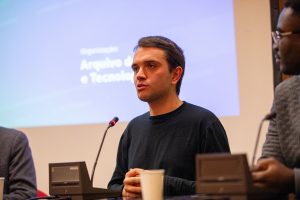
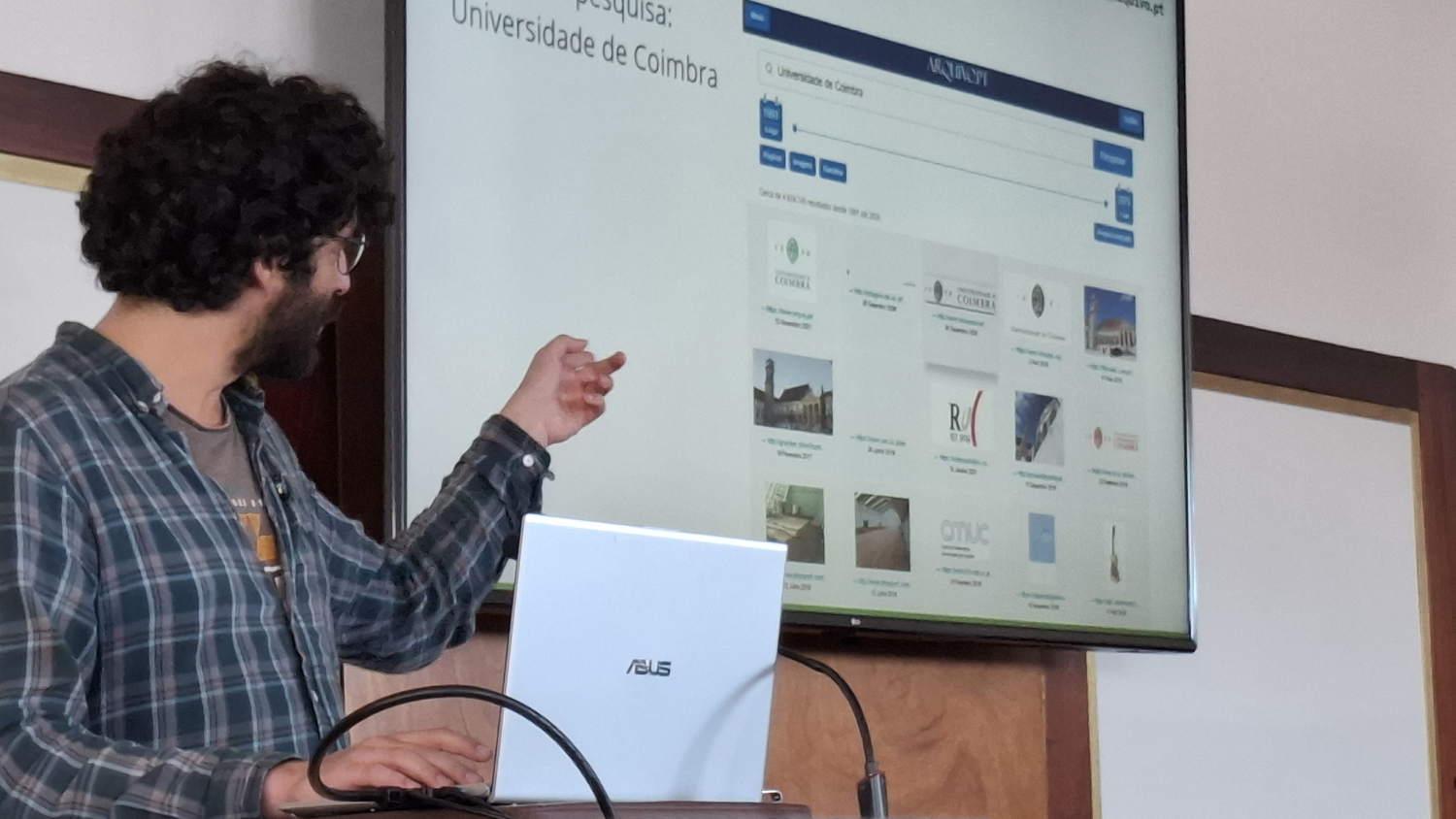
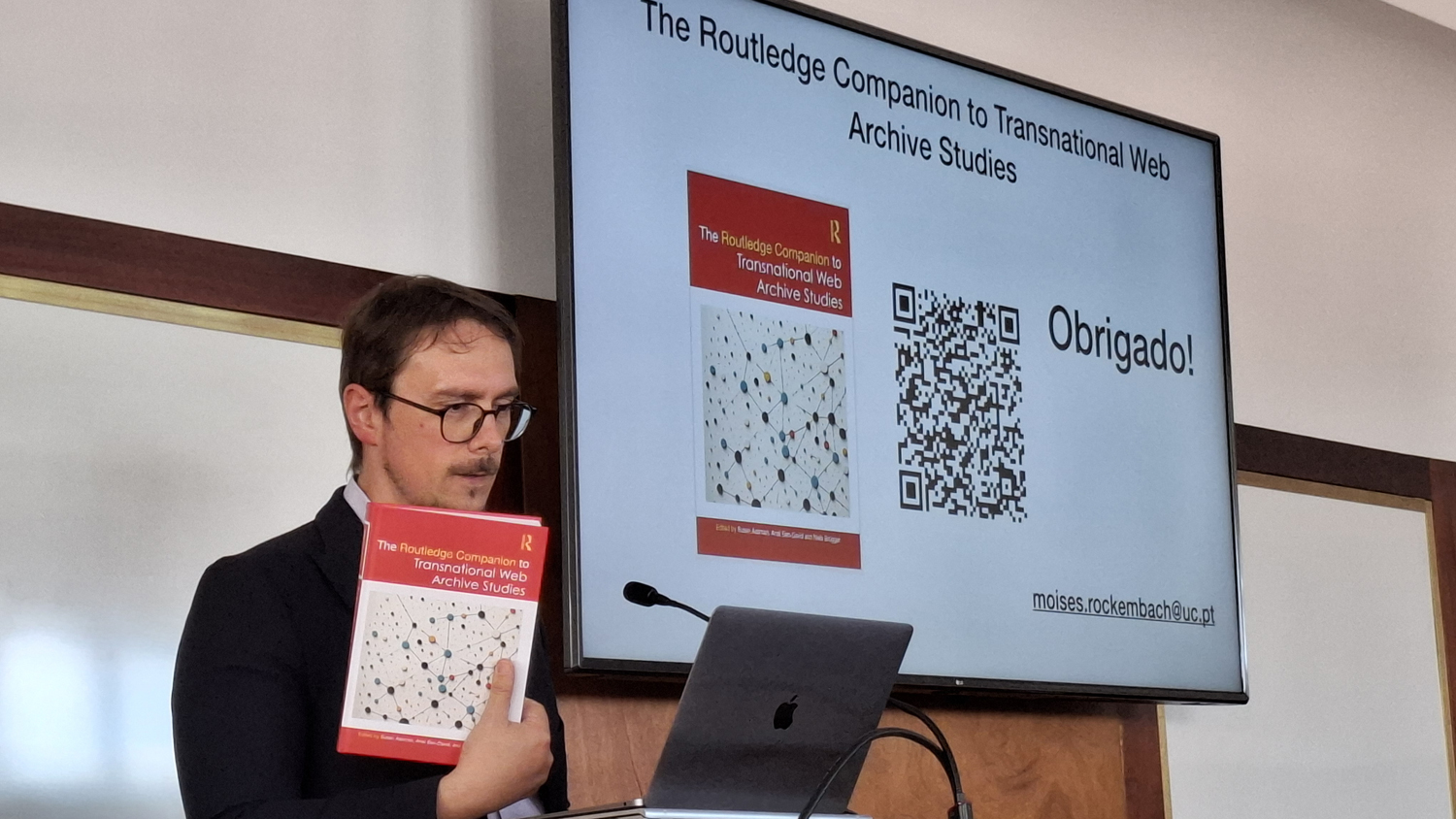
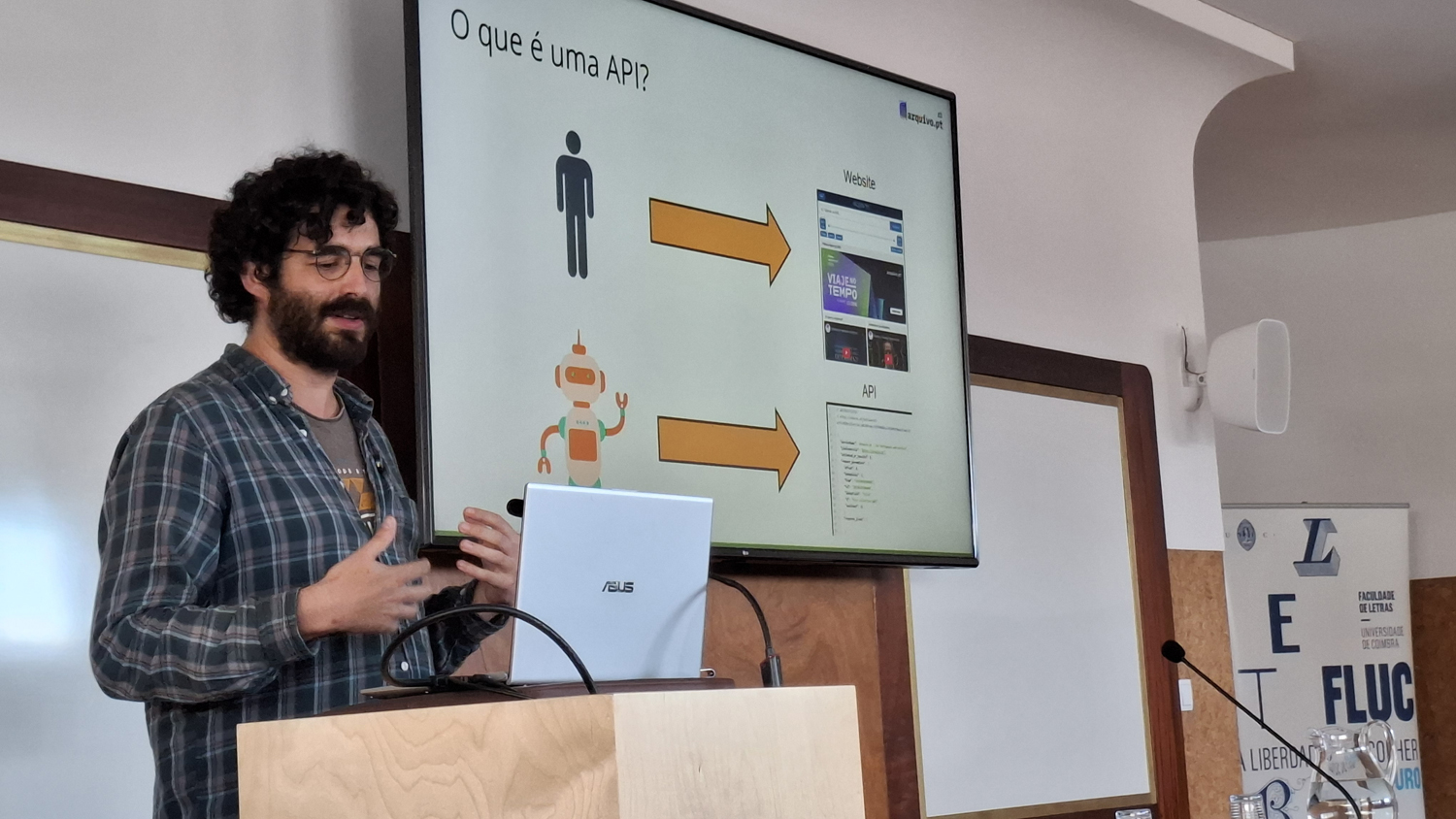
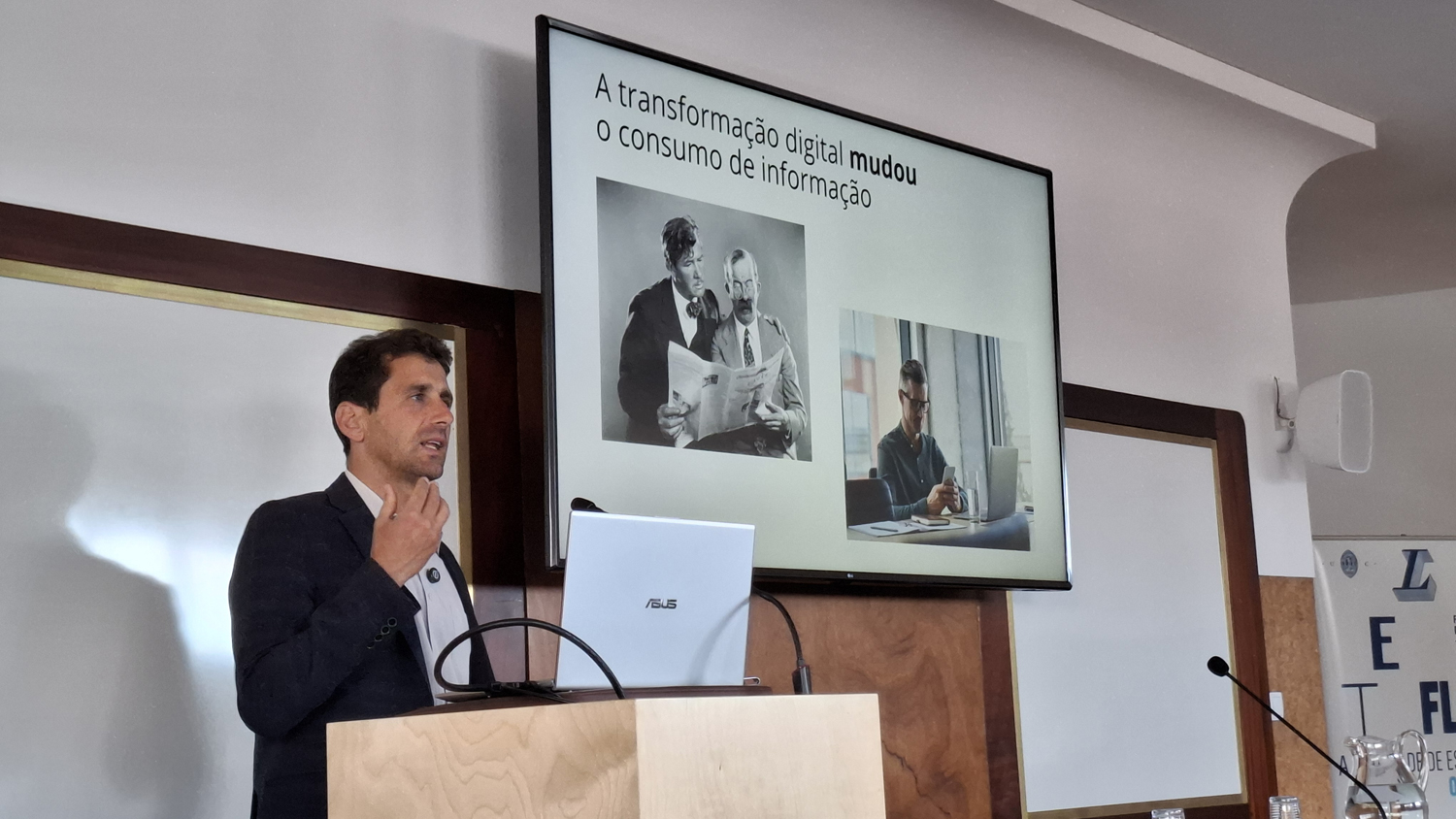
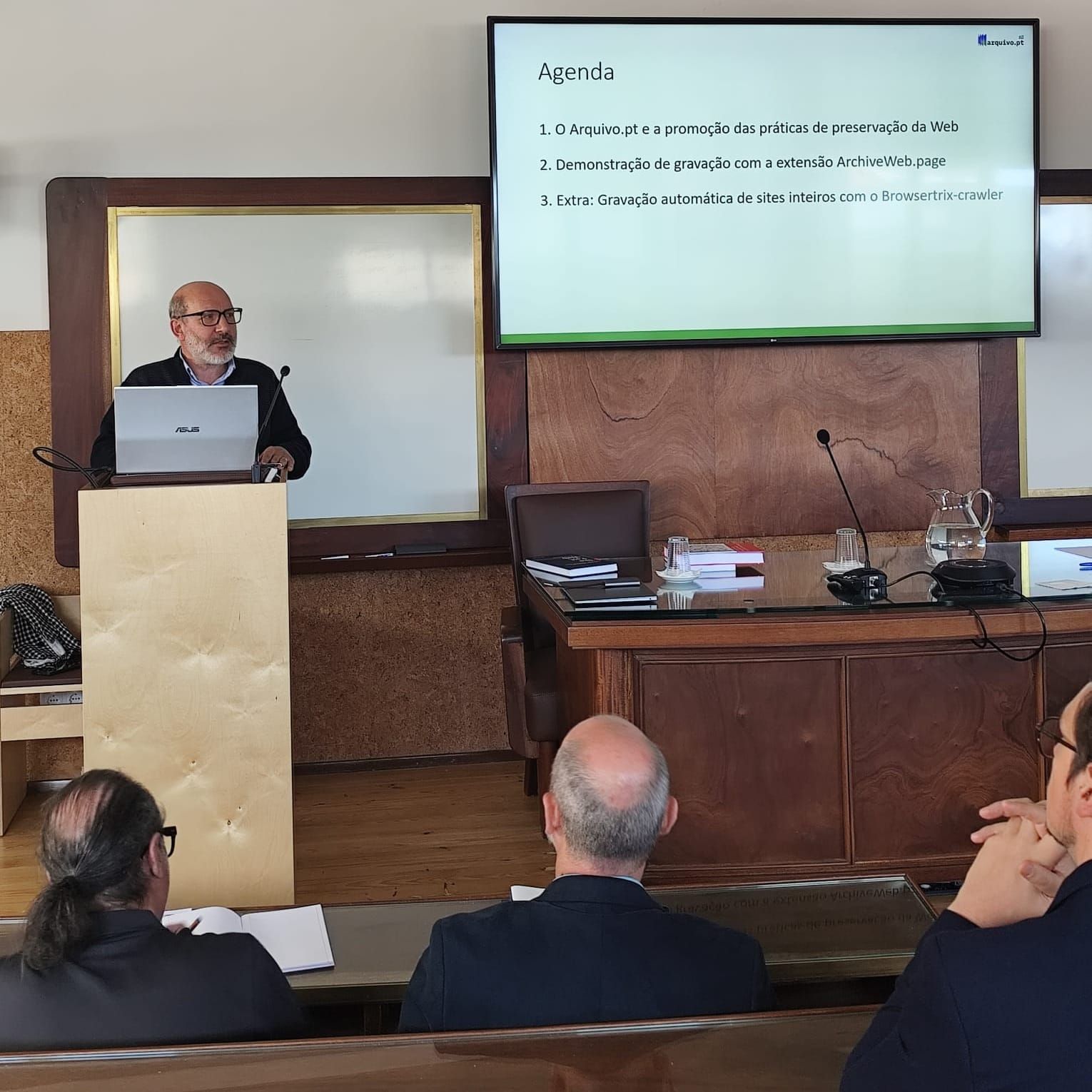
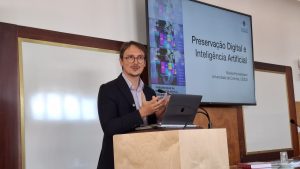
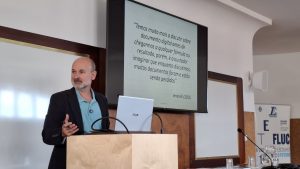
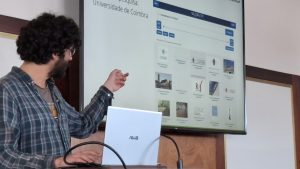
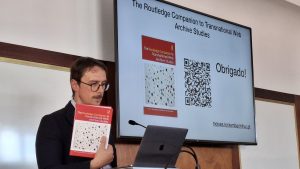
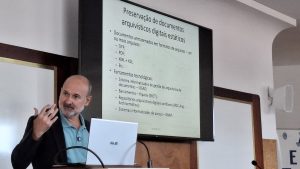
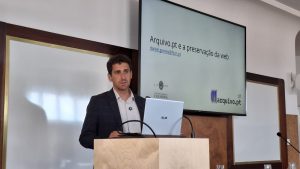
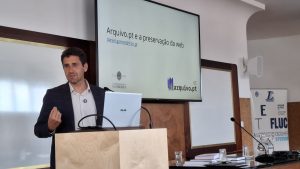
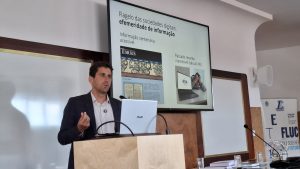
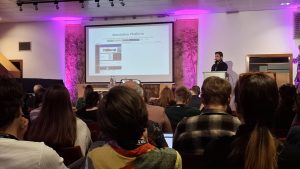
The Arquivo.pt team held a session open to the public on 5 May during the Jornadas FCCN 2026.

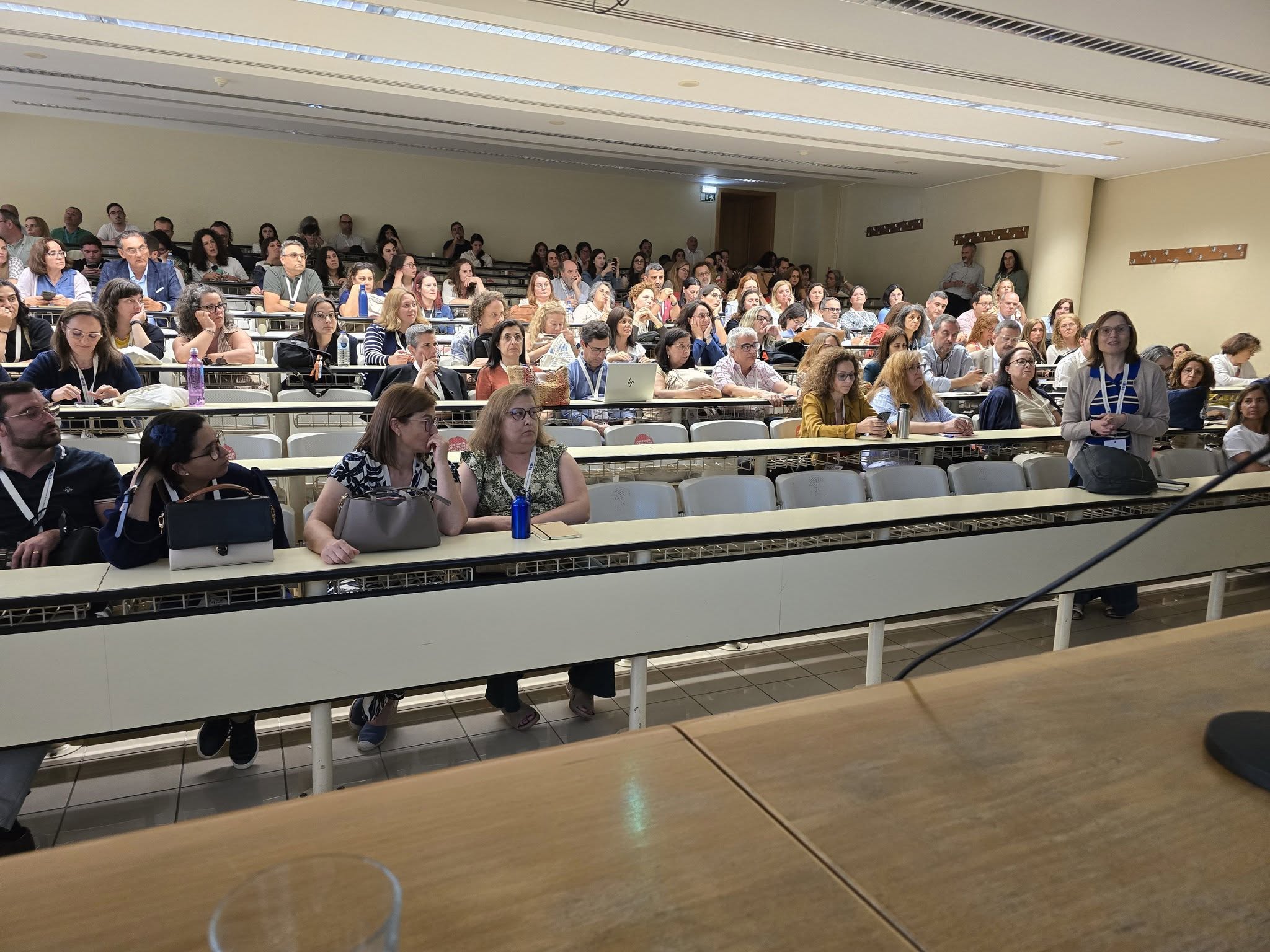
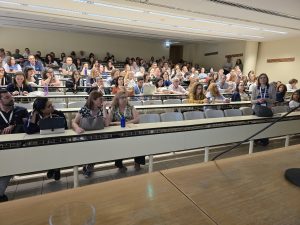
The session was attended by around 80 participants and covered topics that are currently central to Arquivo.pt’s work. These included the use of the preserved collection for research, its application in artificial intelligence (AI) tools, and participation in large language model (LLM) projects for the Portuguese language.

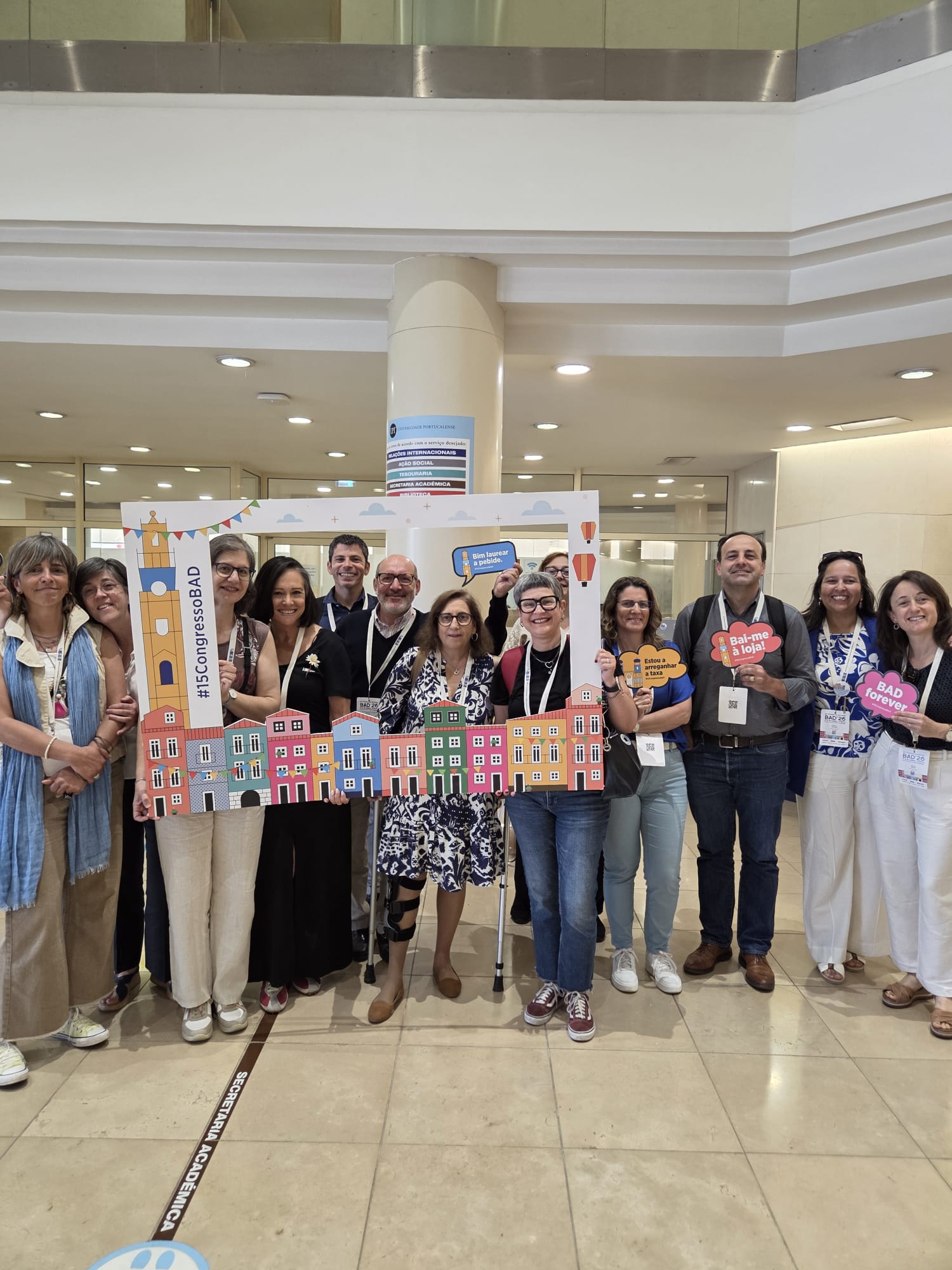
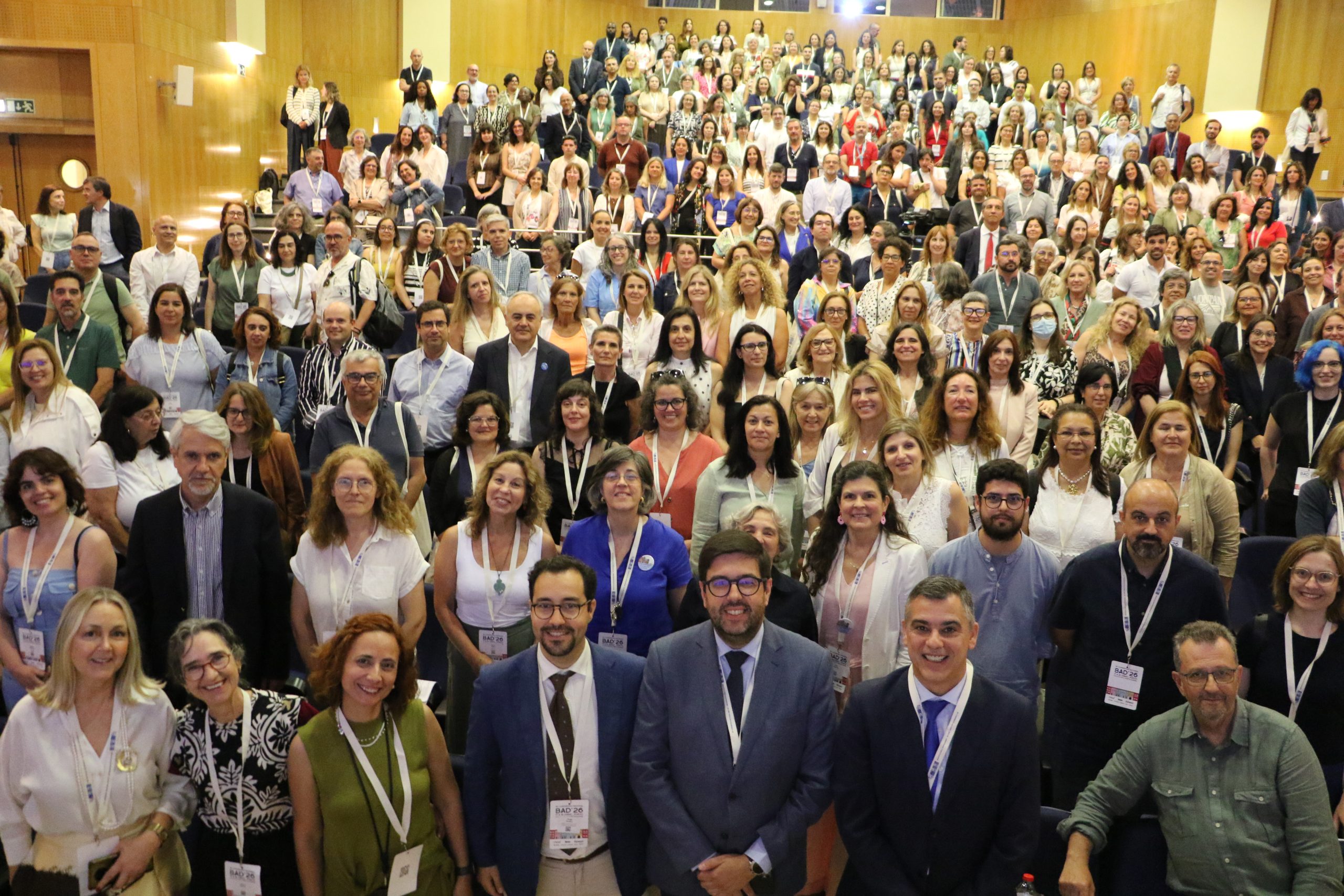
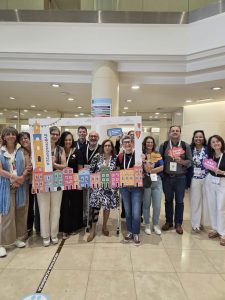
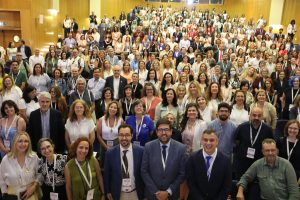
The national meeting Jornadas FCCN 2026 took place at the Faculdade de Economia da Universidade do Porto between 5 and 7 May 2026. About 1,000 people attended. It was an opportunity to meet many of the people we interact with throughout the year.

How the Portuguese web archive is being used for research, AI and LLMs

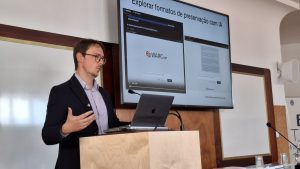
How can three decades of the history of the Portuguese web be used for research, technological innovation and to train artificial intelligence models? In this session by Arquivo.pt at the Jornadas FCCN, it was demonstrated, in a practical and accessible way, how the preserved collection is now being given a new lease of life — from generative AI projects to the development of open-source tools for the entire academic community.
The session was divided into five parts, each focusing on specific new features and real-world use cases.

1. Amália AI: AI trained using data from Arquivo.pt – inspiration, methods and results

Pedro Gomes demonstrated how historical data from Arquivo.pt was used in the development of Amália, a large language model (LLM) for the Portuguese language. He explained the data preparation process, the specific challenges of the Portuguese web, and provided examples of what the model can generate when drawing on decades of national digital archives.

It was an inspiring presentation for anyone wishing to understand the real impact of archived web collections on AI projects.

2. New text search with Apache Solr: faster, more modern and scalable

In 2025, we redesigned the text search system for Arquivo.pt. In this part of the session, Vasco Rato spoke about this ongoing work:

  • how a search engine works internally for older pages;
  • what challenges arise when indexing billions of pages;
  • and how the new architecture using Apache Solr paves the way for more comprehensive, faster and more flexible searches.

3. The use of AI for code generation

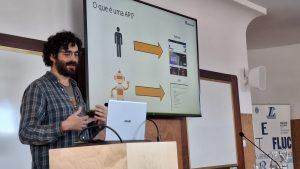
Ivo Branco demonstrated how the use of Artificial Intelligence to generate code is significantly speeding up the development of Arquivo.pt. What once began as a ‘vague improvement’ now quickly becomes a concrete task on the work plan, thanks to AI’s ability to propose solutions, structure code and support process automation.

The manager of Arquivo.pt also highlighted improvements to the page replay system, which is now based on ZipNum, a technology that drastically reduces the time taken to access archived content — even when dealing with billions of records.

The use of AI enables us to implement these optimisations more quickly, improve the quality of the code produced, and free up the team’s time for areas of greater innovation and research.

4. Upload your website straight away

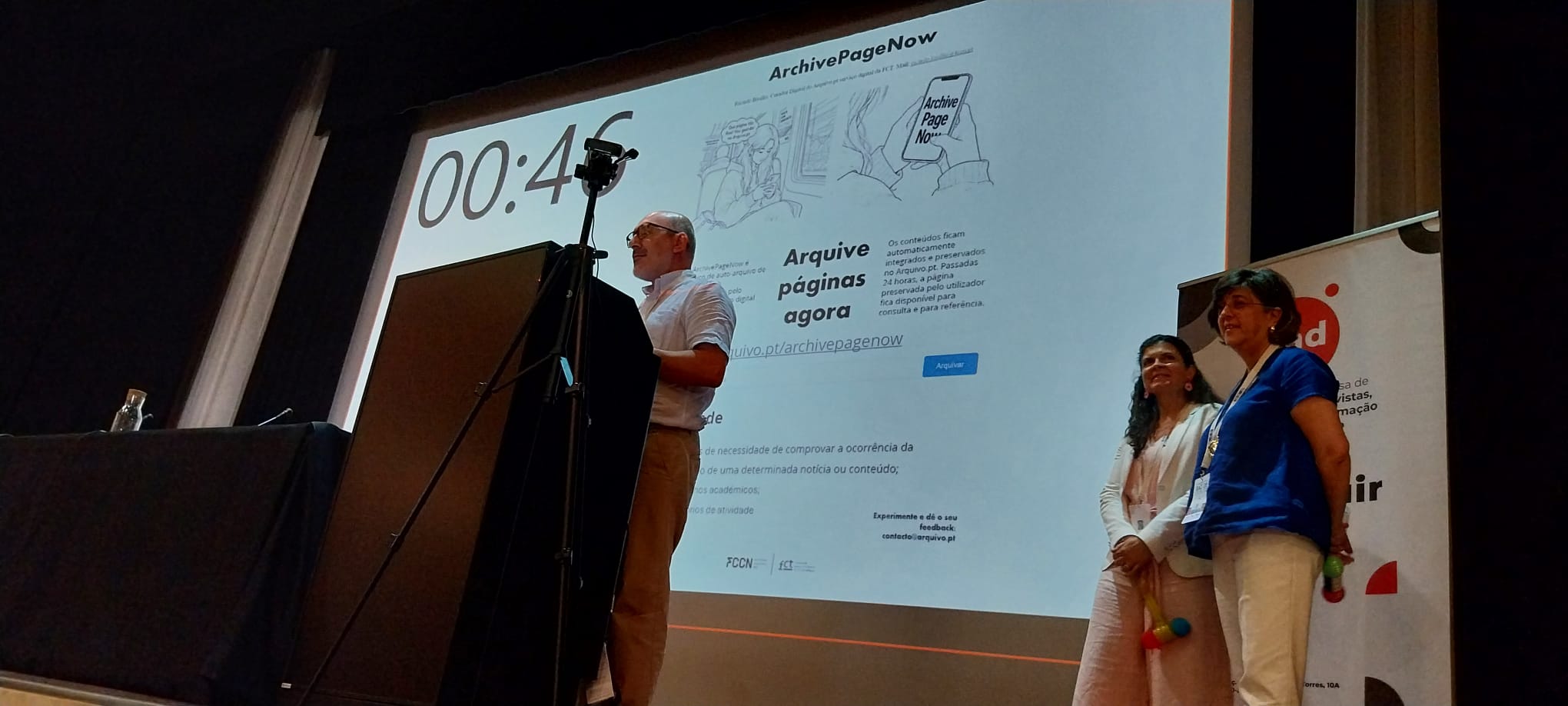
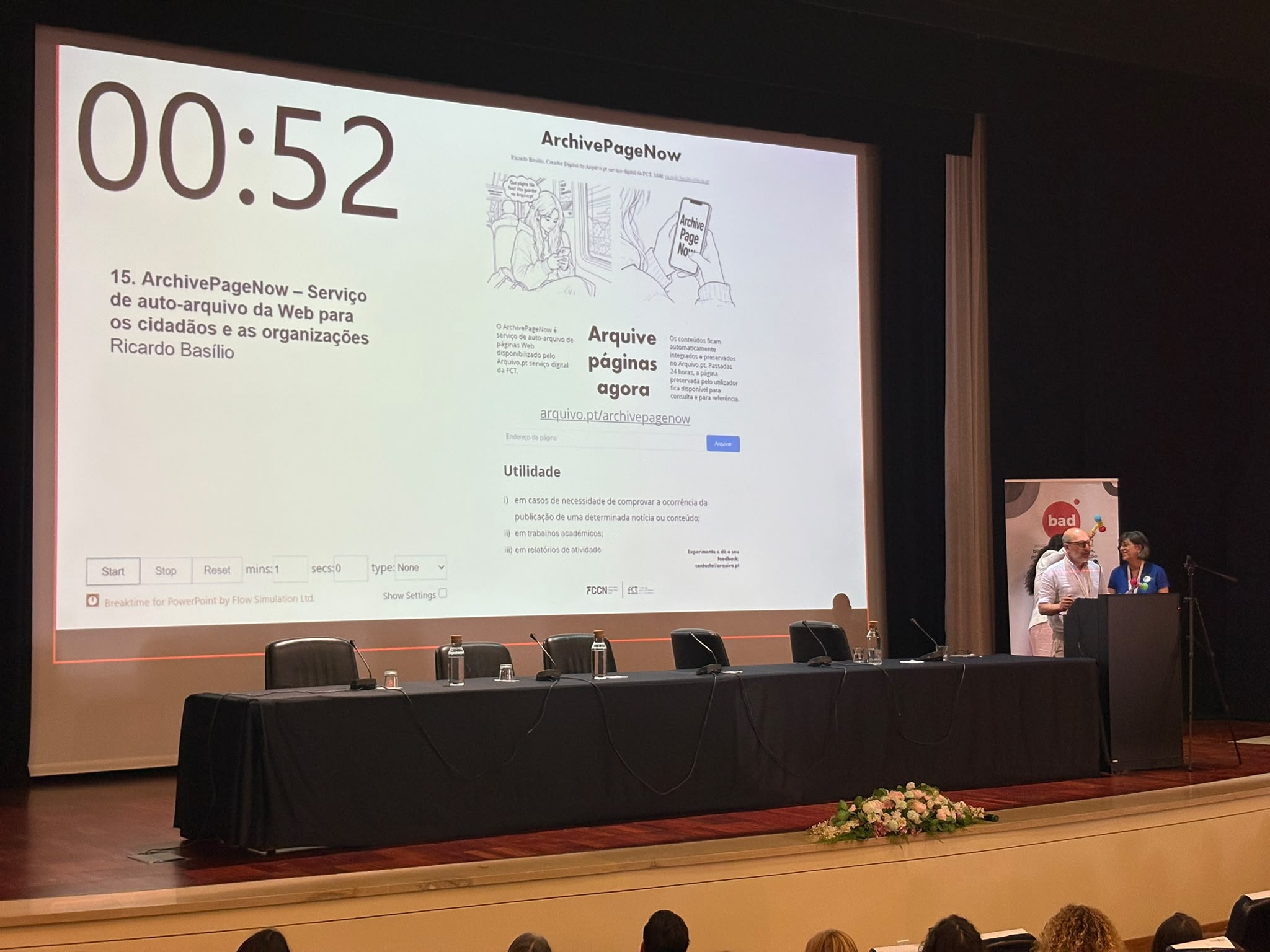
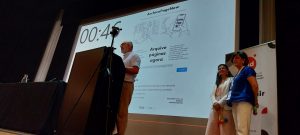
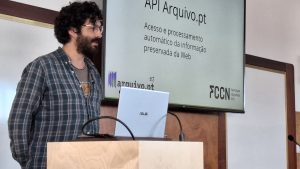
To conclude, Ricardo Basílio gave a practical demonstration of how to file documents on one’s own initiative:

  • archive a page directly to Arquivo.pt in seconds using ArchivePageNow;
  • save content to your own computer in WARC format using Webrecorder;
  • understand how these files can be reused, analysed or preserved in the long term.

5. Thematic collections: preserving your memories

From the environment to elections, and from science to digital culture, Arquivo.pt regularly produces themed collections to preserve key moments in society.

This point was not covered during the session (it will be made available shortly). However, we have included a comment at the end of the session video. We wanted to explain how these special collections are defined, curated and preserved, and how they can be used for teaching, research or simply out of historical curiosity.

Session sponsor

Patrício Cachaço presented Fortinet Secure LAN solutions: Security-Driven Networking with AIOps.

Materiais da sessão

Image gallery

Jornadas FCCN 2026

jornadas-fccn-1
jornadas-fccn-1

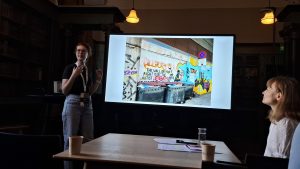
Arquivo.pt at the IIPC Web Archiving Conference in Brussels

thumbnail-iipc-wac-2026

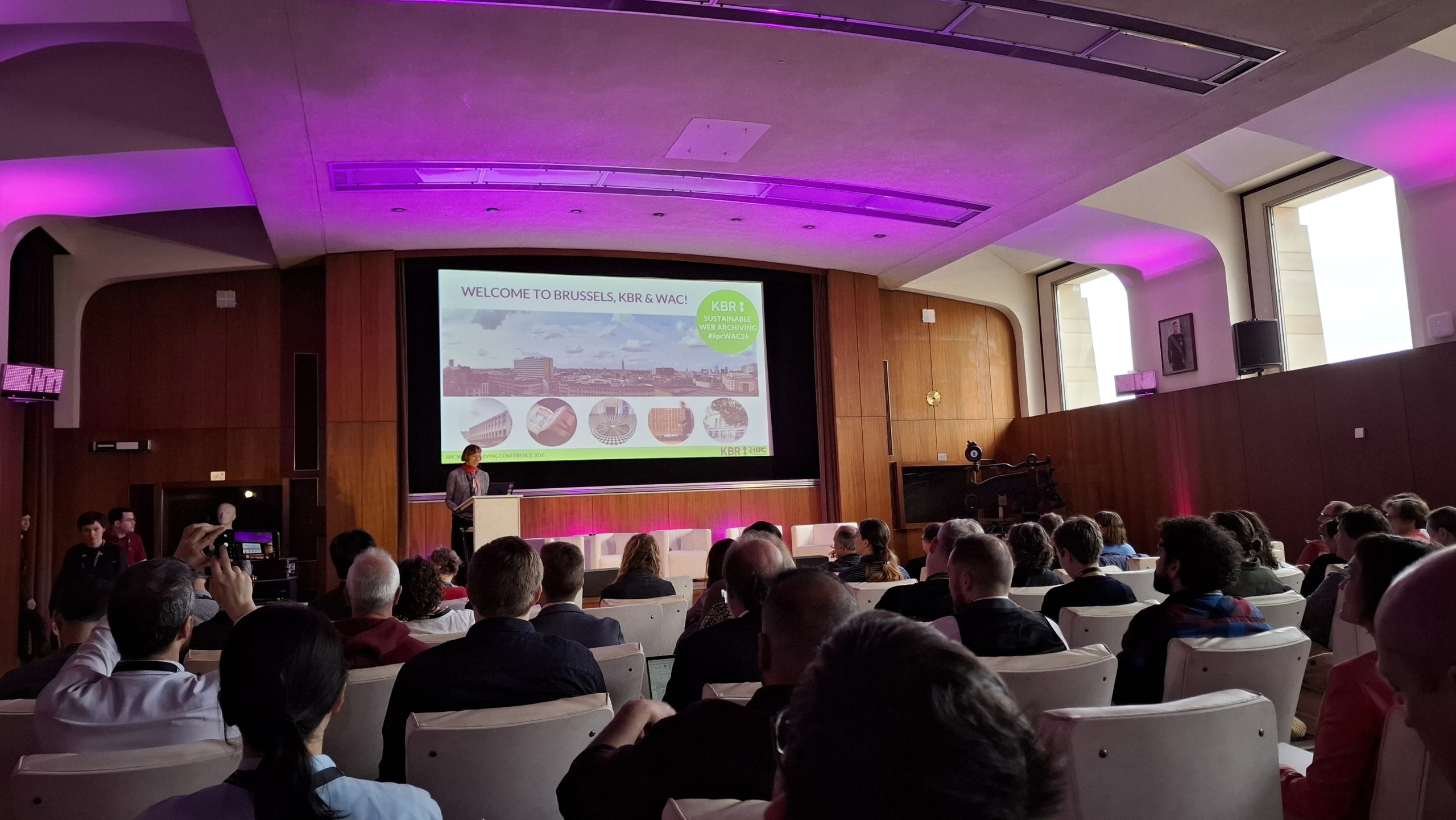
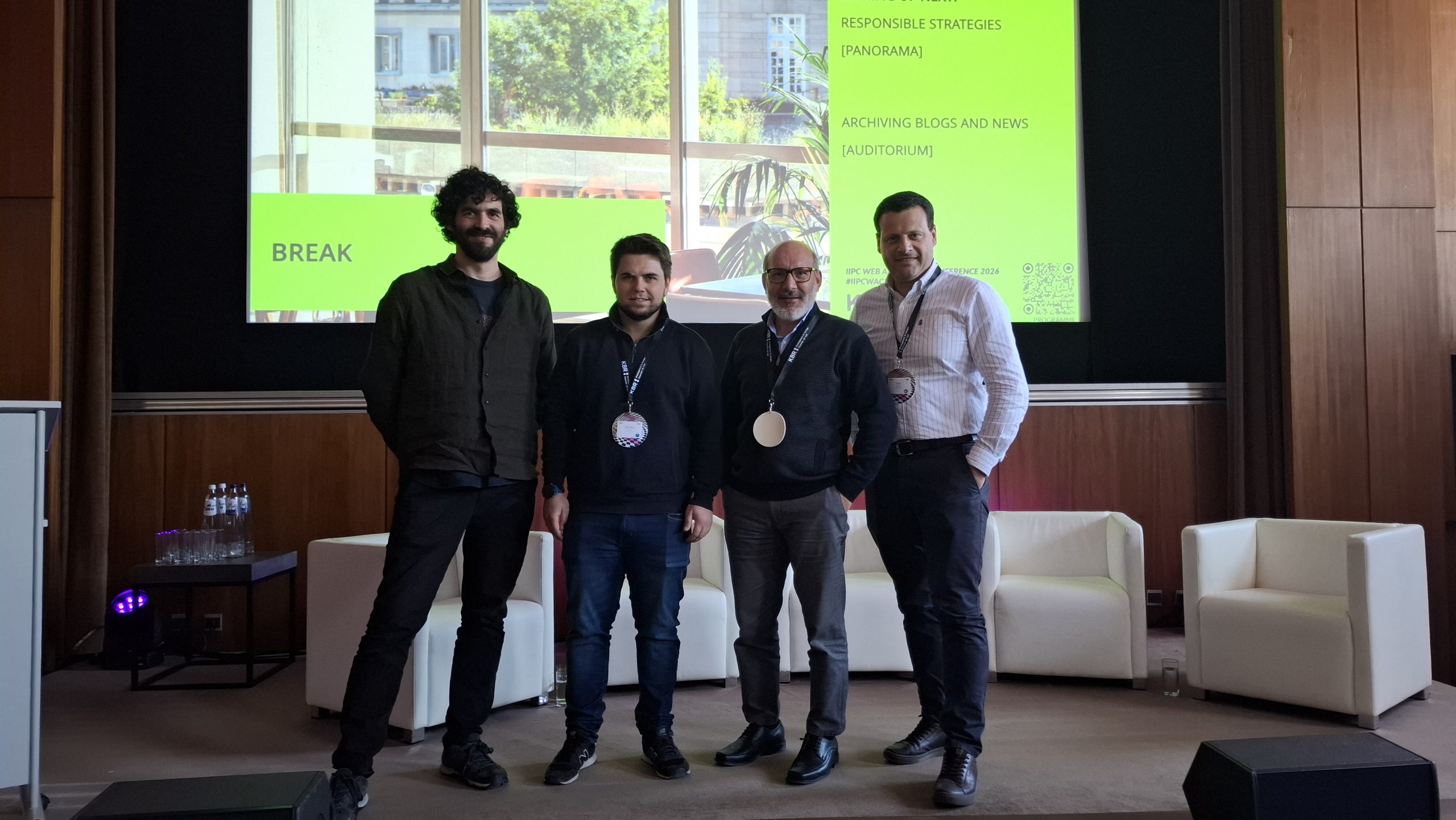
The Arquivo.pt team attended the Web Archiving Conference (WAC) and the IIPC General Assembley in Brussels from April 20 to 23, 2026.

The Web Archiving Conference is the largest event dedicated to Internet preservation. It brings together initiatives from around the world, such as the Internet Archive, national libraries, and research centers that develop methodologies for using historical web content.

The International Internet Preservation Consortium (IIPC) is a consortium that seeks to bring together various web archiving initiatives, coordinating efforts to maintain and develop standards, tools, collections, and training.

The Belgian Web Archive

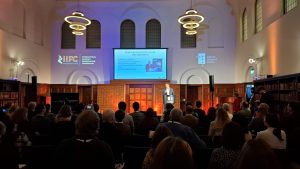
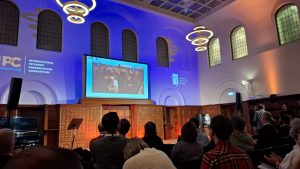
The KBR (De Koninklijke Bibliotheek van België), the Belgian National Library, located in the heart of Brussels, hosted the Web Archiving Conference, which drew approximately 250 participants. The conference’s opening session featured a presentation of the results and the conclusion of the pilot project for the Belgian Web Archive.

In 2017, Belgium launched a project called PROMISE ((PReserving Online Multiple Information: towards a Belgian Strategy) for the national Web archive. Starting in 2019, with funding from the Belgian Science Policy Office (BELSPO), a five-year pilot phase was conducted, culminating in the presentation of a web archive prototype in 2026. Partners in this project included the national archives, the State Archives of Belgium (AGR), and, on the research side, the Ghent University

The collection of Belgian web content was carried out under the existing legal deposit system for printed materials, which was adapted in December 2016 to include digital web content.

The PROMISE project used open-source tools shared by the IIPC community (for data collection, the Browsertrix-crawler from Webrecorder.net; for playback, the pywb software). Access to the content is restricted and limited to the library system, and the collection has been enriched with metadata and catalog information.

Presentations by Arquivo.pt

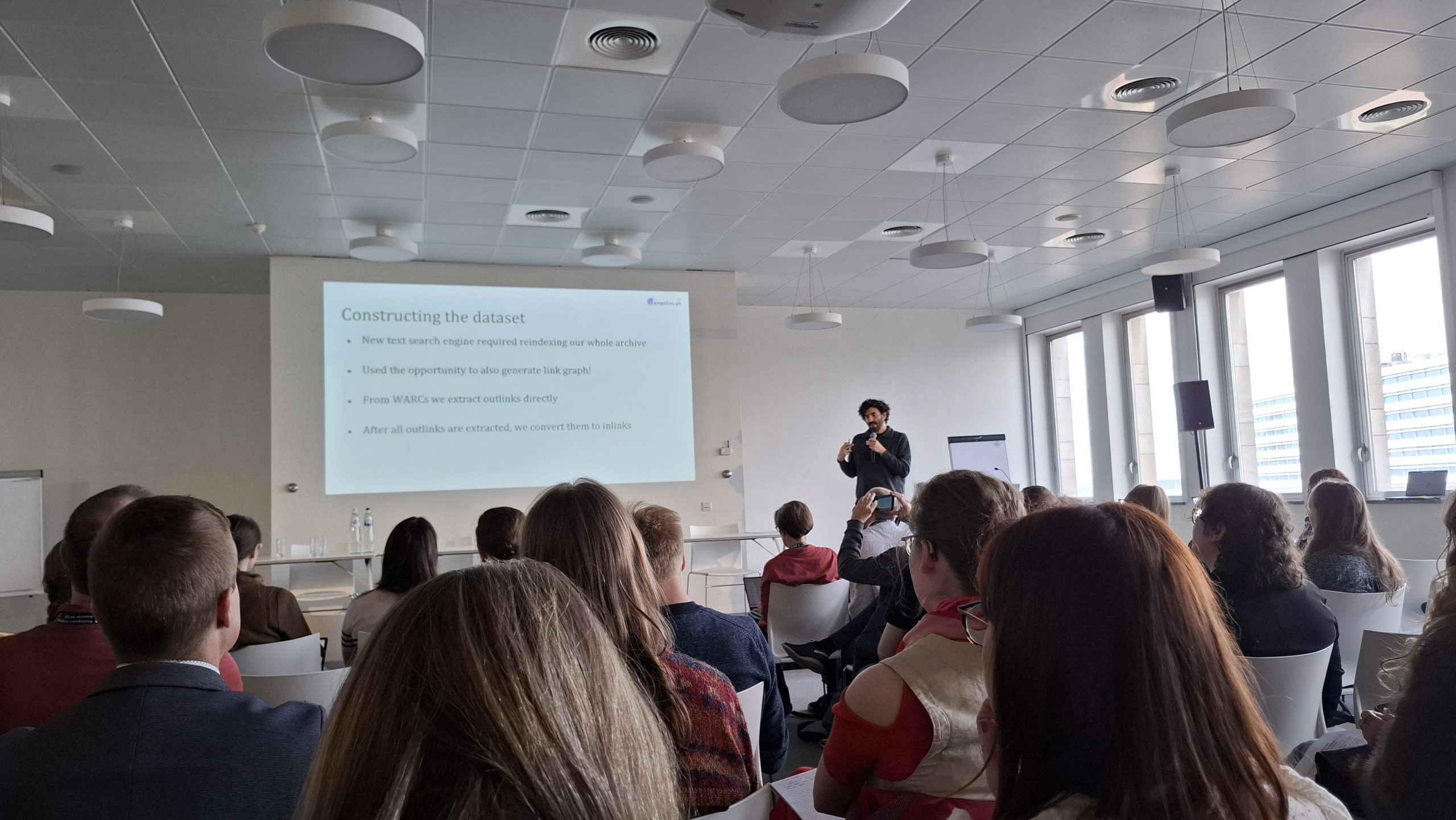
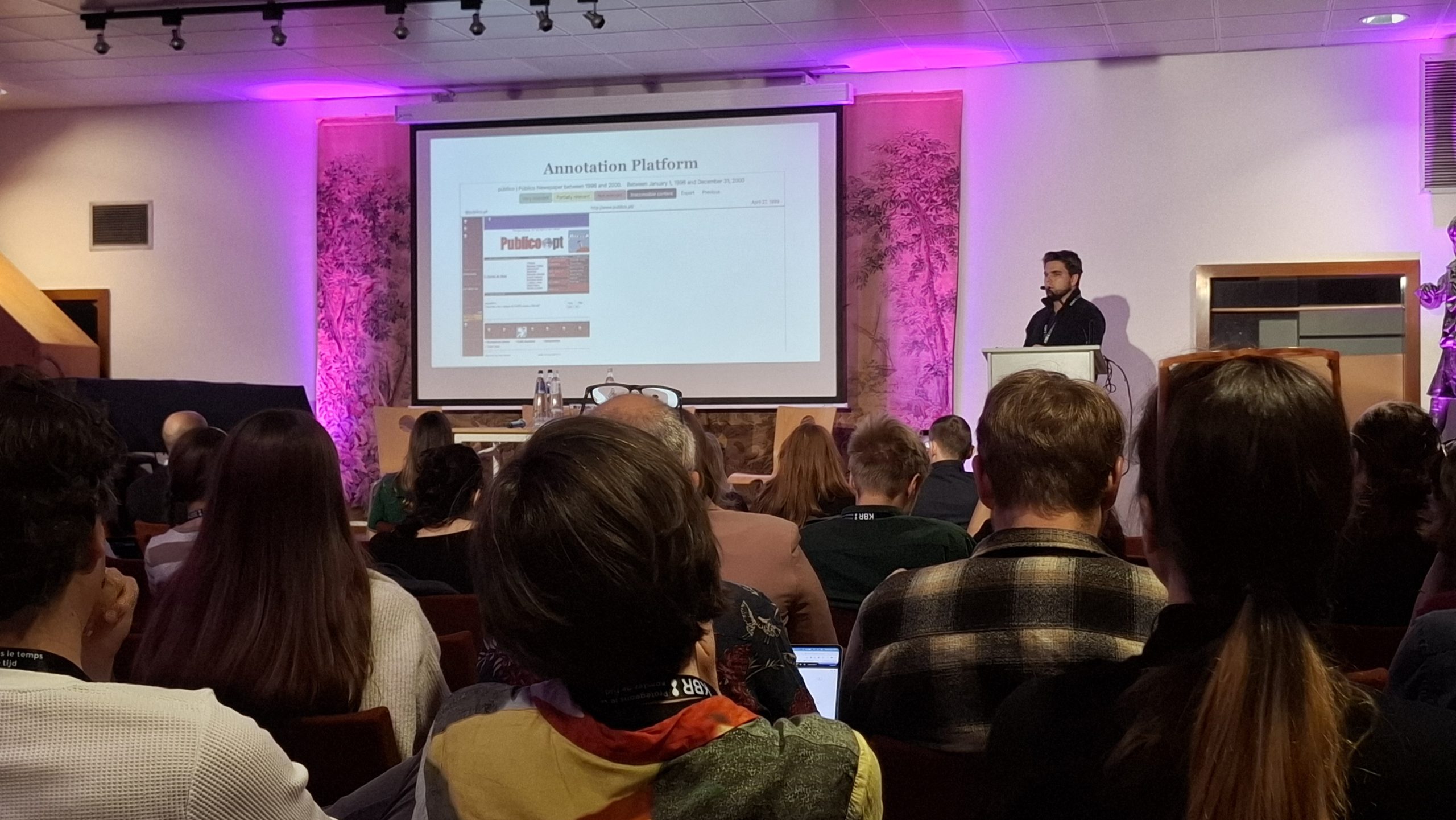
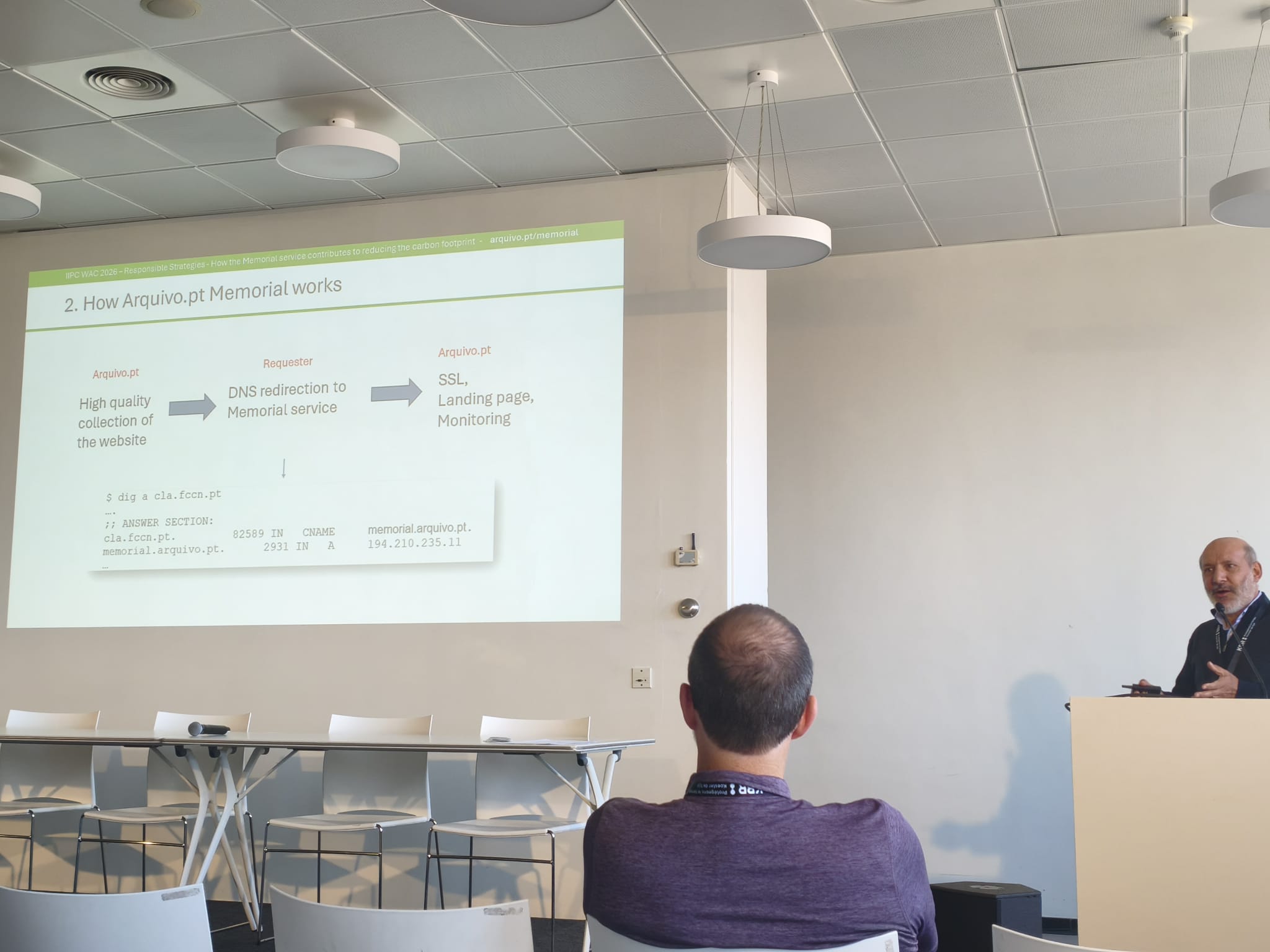
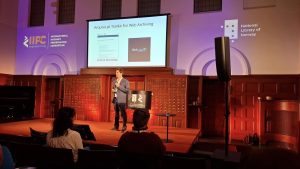
To showcase what Arquivo.pt has been doing to promote access and demonstrate the value of its service, we presented three presentations.

Image gallery

IIPC WAC 2026

Abertura da WAC 2026 na KBR
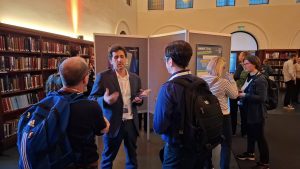
Equipa do Arquivo.pt no IIPC WAC
Apresentação de Vasco Rato
Apresentação de Pedro Gomes
wac-iipc-memorial-cabon-footprint-1
Abertura da WAC 2026 na KBR Equipa do Arquivo.pt no IIPC WAC Apresentação de Vasco Rato Apresentação de Pedro Gomes wac-iipc-memorial-cabon-footprint-1

FCCN presents Arquivo.pt at the “File Not Found” event in Lisbon


goethe-institut-file-evento-file-not-found

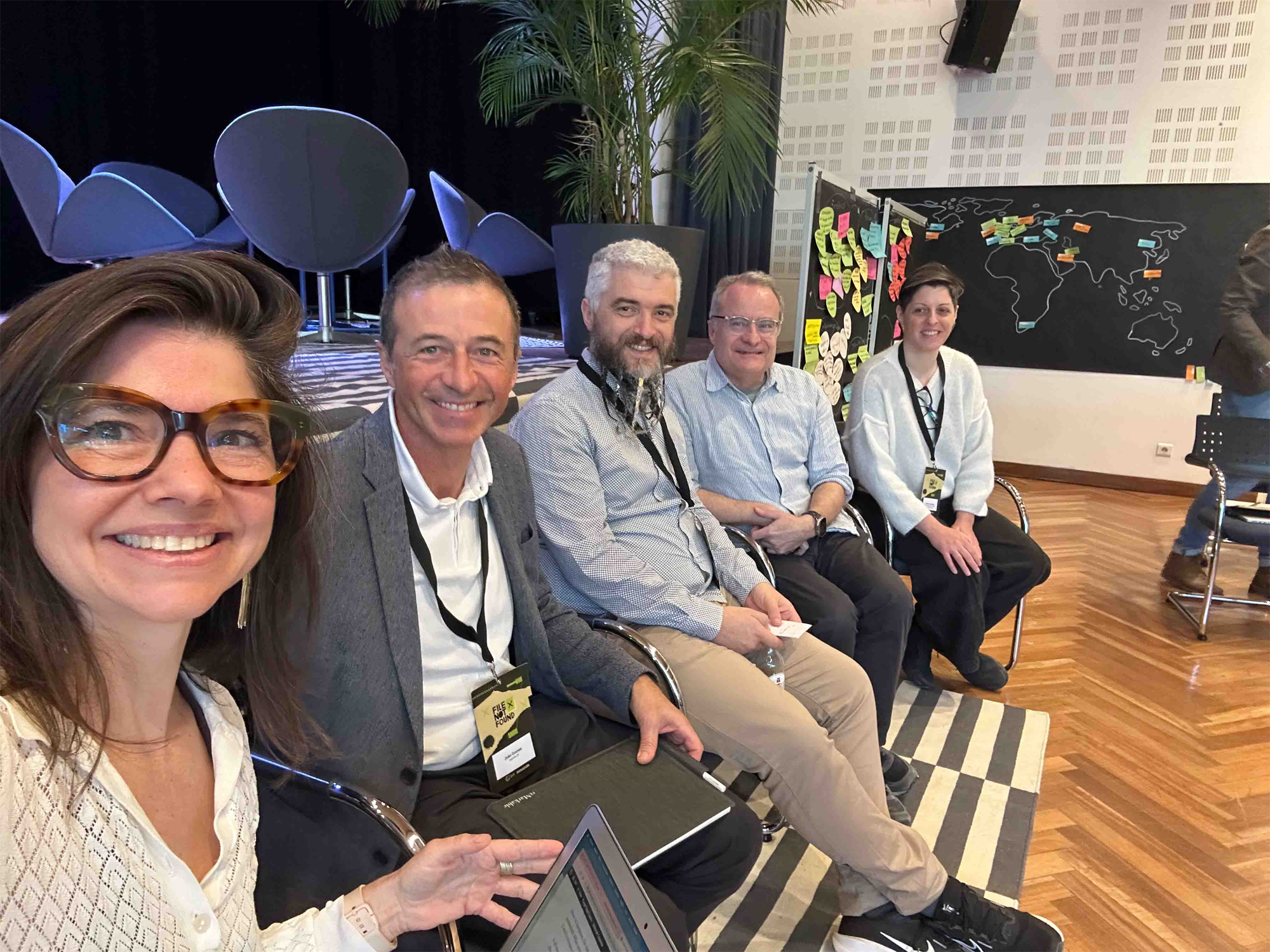
From March 23 to 26, Lisbon hosted the File Not Found event, organized by the Goethe-Institut. Over the course of four days, the initiative brought together national and international experts to explore the role of archives in the digital age, particularly their cultural, social, and political value in a constantly evolving digital world. The discussion highlighted practices, challenges, and responsibilities associated with the preservation of information heritage in this context of increasing digitization.

On the final day of the conference, March 26, João Gomes, area director at FCCN, the digital services unit of FCT, participated in the panel “Archiving Online: Power, Risk, and Digital Care Practices.” His presentation focused on Arquivo.pt, the public service for preserving Portuguese web content, developed by FCCN.

João Gomes presented the mission and progress of Arquivo.pt, emphasizing the importance of ensuring that information published online can be preserved and reused by researchers, journalists, public entities, and citizens. He also highlighted the service’s role in promoting digital literacy and advocating for open access to information.

Learn more about collaborations with Arquivo.pt

Arquivo.pt participated in the International Digital Curation Conference in Zagreb

IDCC 2026 Zagreb

Last updated on March 16th, 2026 at 12:38 pm

IDCC 2026 Zagreb

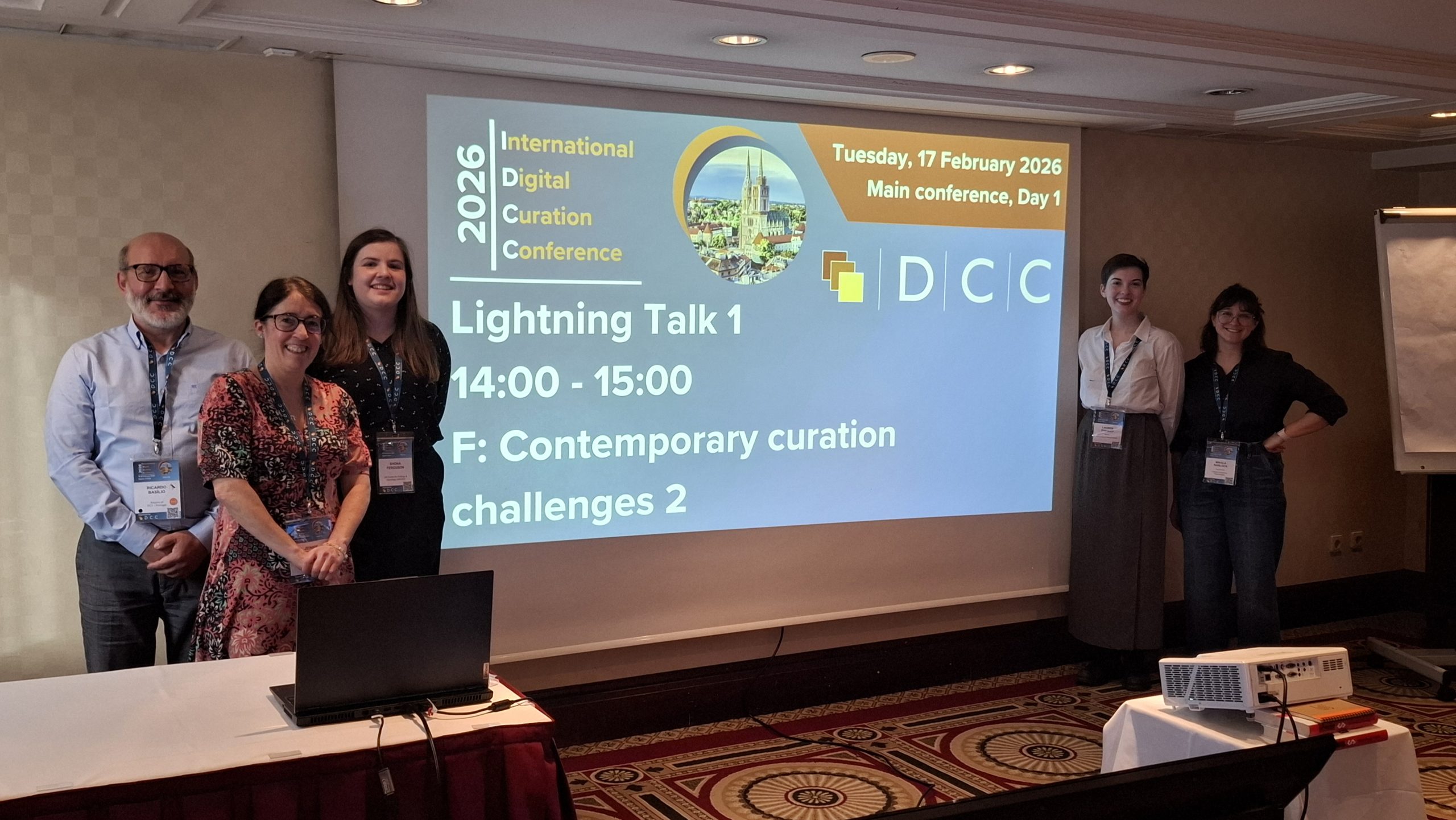
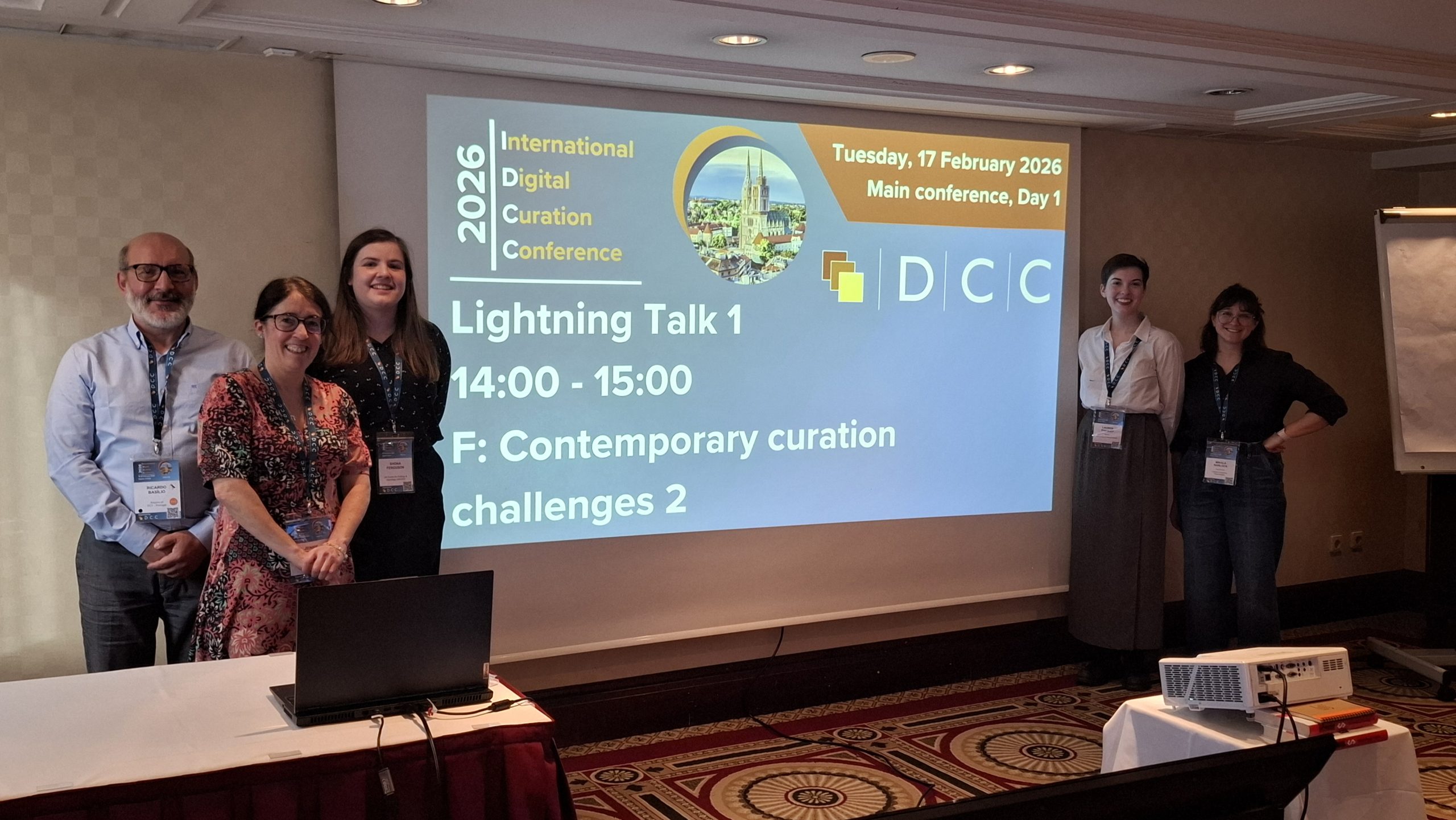
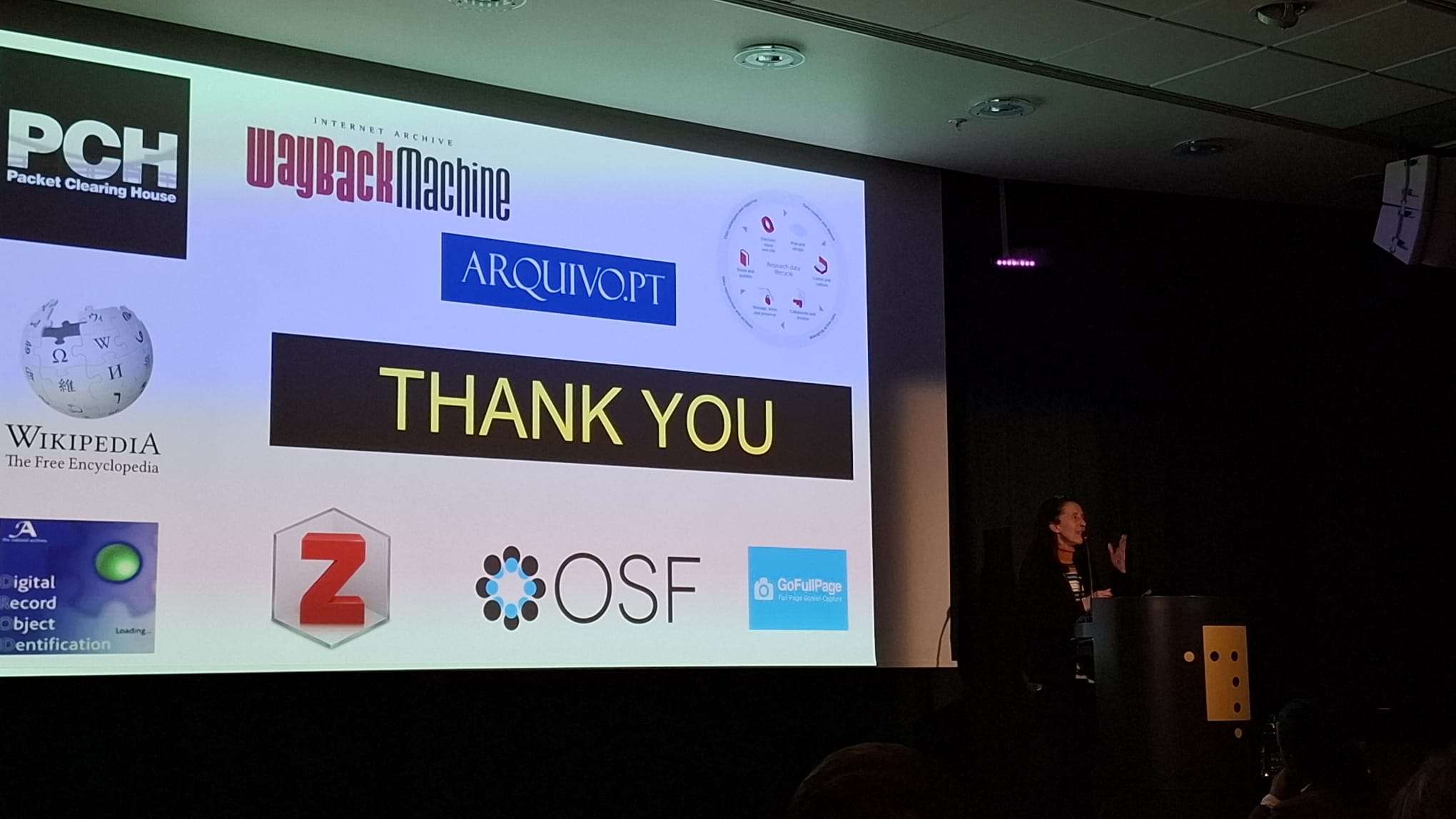
Arquivo.pt participated in the International Digital Curation Conference with a presentation entitled How Arquivo.pt is Preserving scientific research project websites and promoting data reuse, represented by Ricardo Basílio, digital curator.

IDDC 2026 took place in Zagreb, Croatia, between February 16 and 18. The organizer of this annual event is the Digital Curation Center, a leading consortium in the field of data management and curation for scientific research. This event had 219 attendees from 30 countries including 5 from Portugal.

The same panel, moderated by Mikala Narlock, from the Indiana University, featured the following presentations: Organizing a community to survive research ecosystem instability, by Lauren Phegley, from the University of Pennsylvania, What should be saved? The impact of austerity on data rescue, by Shona Jane Fergusonm, from the UK Centre for ecology and hydrology, and How do you calculate the carbon footprint of your digital preservation activities?, by Jenny Mitcham  from the Digital Preservation Coalition.

Contemporary challenges in digital curation

The theme of this year’s conference was “AI, austerity, and authoritarianism: contemporary challenges in digital curation.”

At the opening, Antica Čulinam, from the Ruder Boskovic Institute, addressed the issue of the reliability of science, which requires transparent, scrutinized processes and well-documented, unbiased data.

In parallel sessions, other current challenges were addressed, such as carbon footprint, the use of AI, successful cases of data management, and community engagement.

In the closing session, the topic of web preservation was highlighted with a presentation by Mikala Narclock from Indiana University and Linda Kellam from Pennsylvania University on the Data Rescue Project.

Urgency is a determining factor in web preservation, especially when scientific research results are involved.

Tribute to Kevin Ashley

The final moment of the conference was to honor Kevin Ashley, director of the DCC since April 2010. Since the 1990s, he has worked on the development and provision of digital preservation services as head of digital archives at the University of London Computing Center (ULCC). As leader of the DCC and a great communicator, he has played a charismatic role in the development of data management planning, advice, guidance, and training.

In Portugal, we have records of two presentations by Kevin Ashley at the 5ª Conferência Luso-Brasileira sobre Acesso Aberto (CONFOA) at the Universidade de Coimbra in 2014, which we recall here:

Contribution of Arquivo.pt to the preservation of scientific research results

Arquivo.pt, a digital service provided by FCT, has among its priorities the preservation of all types of information published on the Web related to research projects, such as project websites, abstracts of scientific publications, news in the media related to projects and, in general, all information on the Web referenced in scientific publications.

For example, and this was the case presented to conference participants, in 2021, Arquivo.pt identified and collected 17 terabytes of information related to projects funded by the European Commission’s H2020 program. Until then, 46% of H2020 projects did not mention their websites or project pages in the data published on the European data portal Cordis.

Based on this successful initiative, Arquivo.pt has been systematically collecting content related to the projects, in collaboration with RCAAP, PTCRIS, and Ciência Vitae, from which URLs of publications available on the Web are obtained.

Use of Arquivo.pt by researchers

At the same time that Arquivo.pt took the initiative to record web content produced by researchers, the number of use cases of Arquivo.pt increased year on year. In other words, we have more researchers making use of the data and testing methodologies. We found some examples in LLMs for the Portuguese language, such as GlórIA and AmálIA, and in the works competing for the Arquivo.pt Award.

For example, in 2025, a group of researchers from CIDEHUS – Centro Interdisciplinar de História, Culturas e Sociedades da Universidade de Évora, used Arquivo.pt to create the work Narrative Monitoring: Analysis of Conspiracy Theories of Population Replacement in the Portuguese Web Archive (1996-2021).

The aim was to show the audience that the preservation of scientific research results requires the involvement of the researchers themselves. Once they are familiar with and use Arquivo.pt, they are also better prepared to take care of the preservation of their publications.

Know more

In-person session dedicated to arquivo.pt closes the “Archives of Knowledge” cycle

Last updated on December 16th, 2025 at 08:12 pm

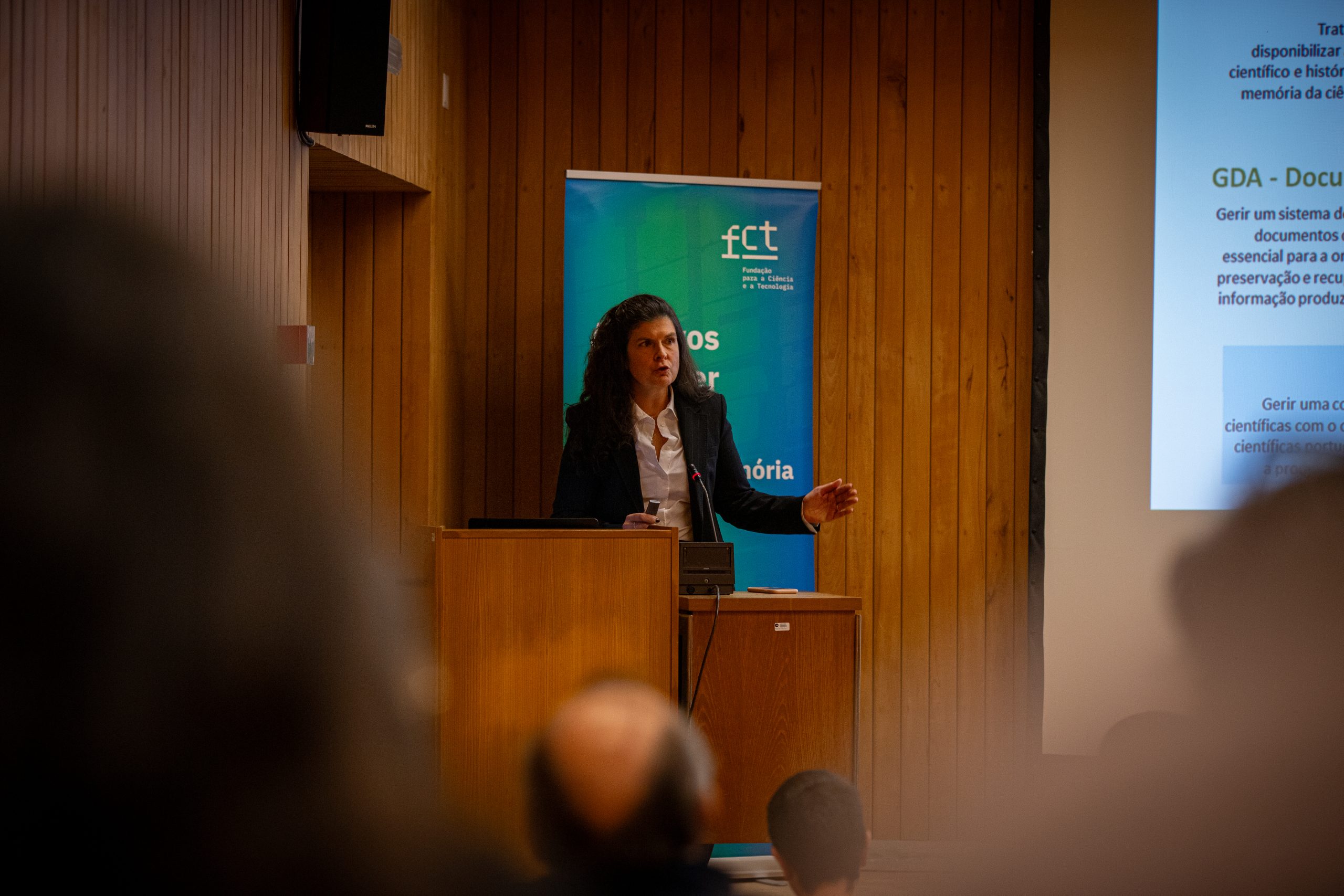
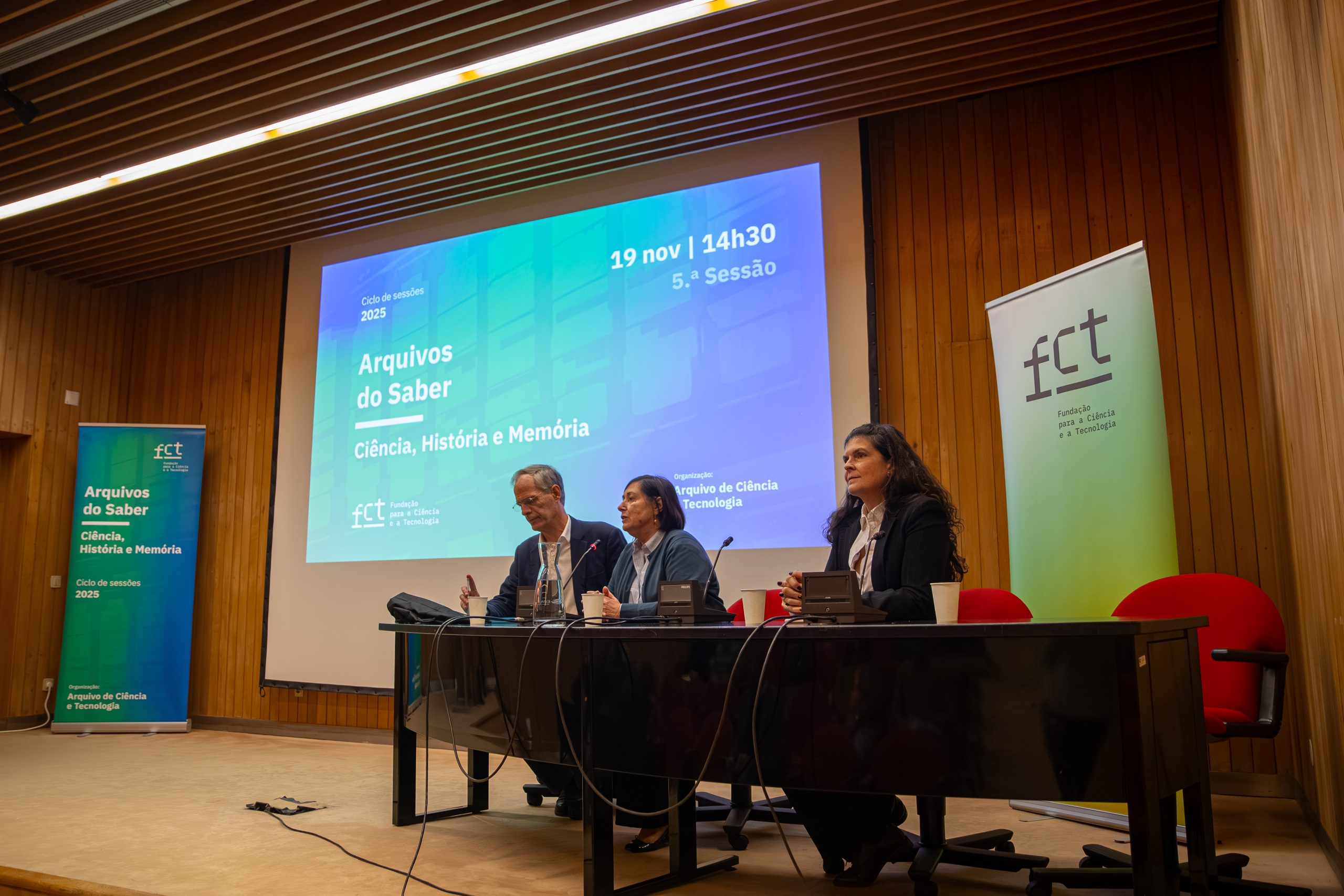
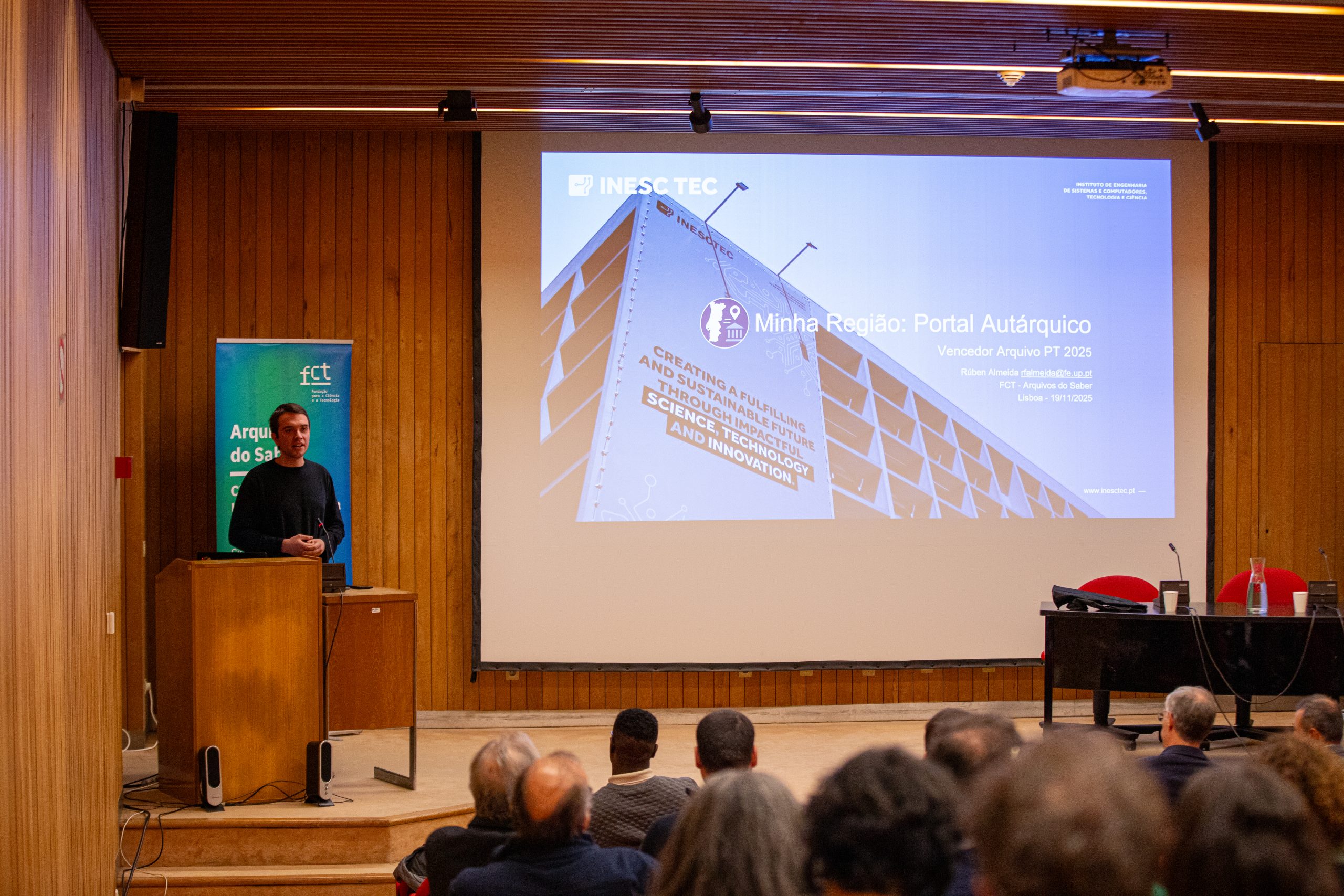
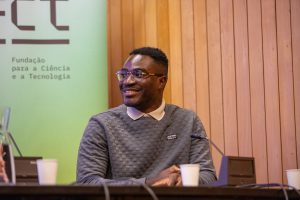
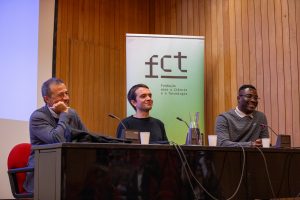
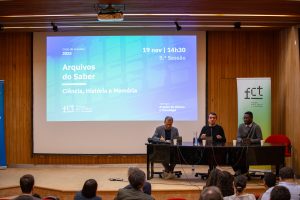
On 19 November, the last session of 2025 of the cycle Archives of Knowledge: Science, History and Memory (Arquivos do Saber: Ciência, História e Memória) cycle took place, an initiative of the FCT Science and Technology Archive.

The event took place in the small auditorium of the FCCN premises, FCT’s digital services unit, at Avenida do Brasil, 101, in Lisbon.

More than 30 participants attended, and it was an opportunity for them to learn more about Arquivo.pt.

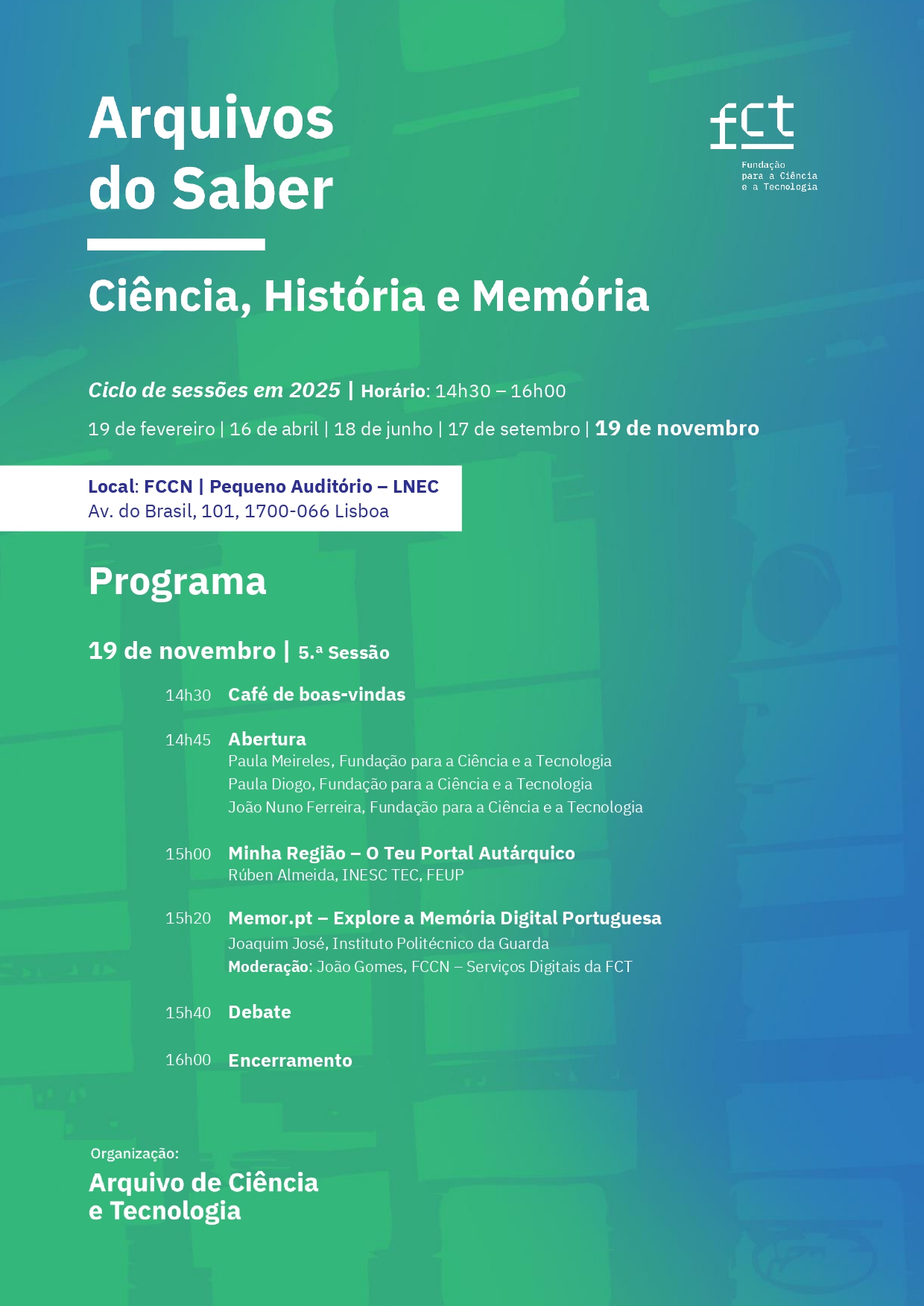
Event programme

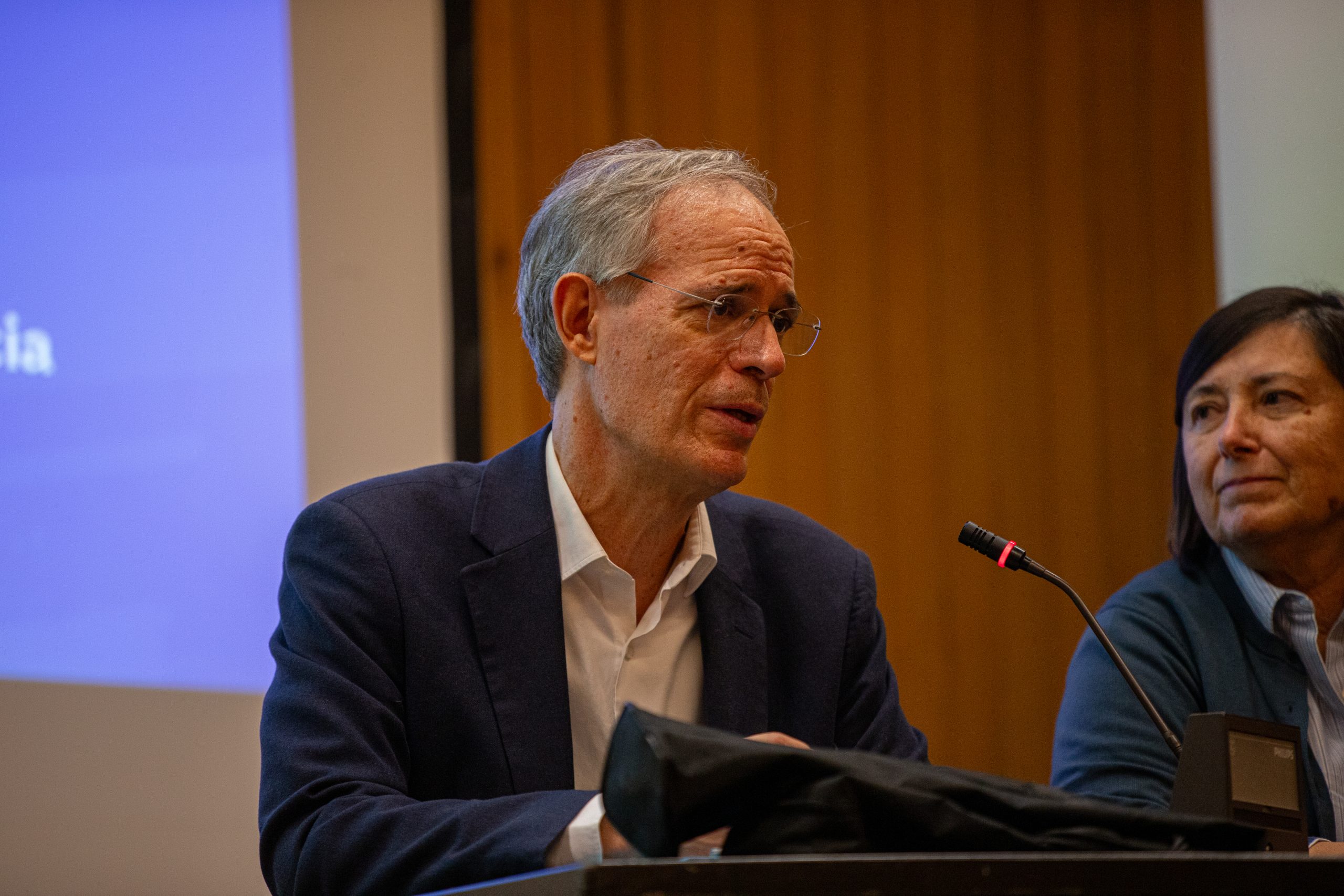
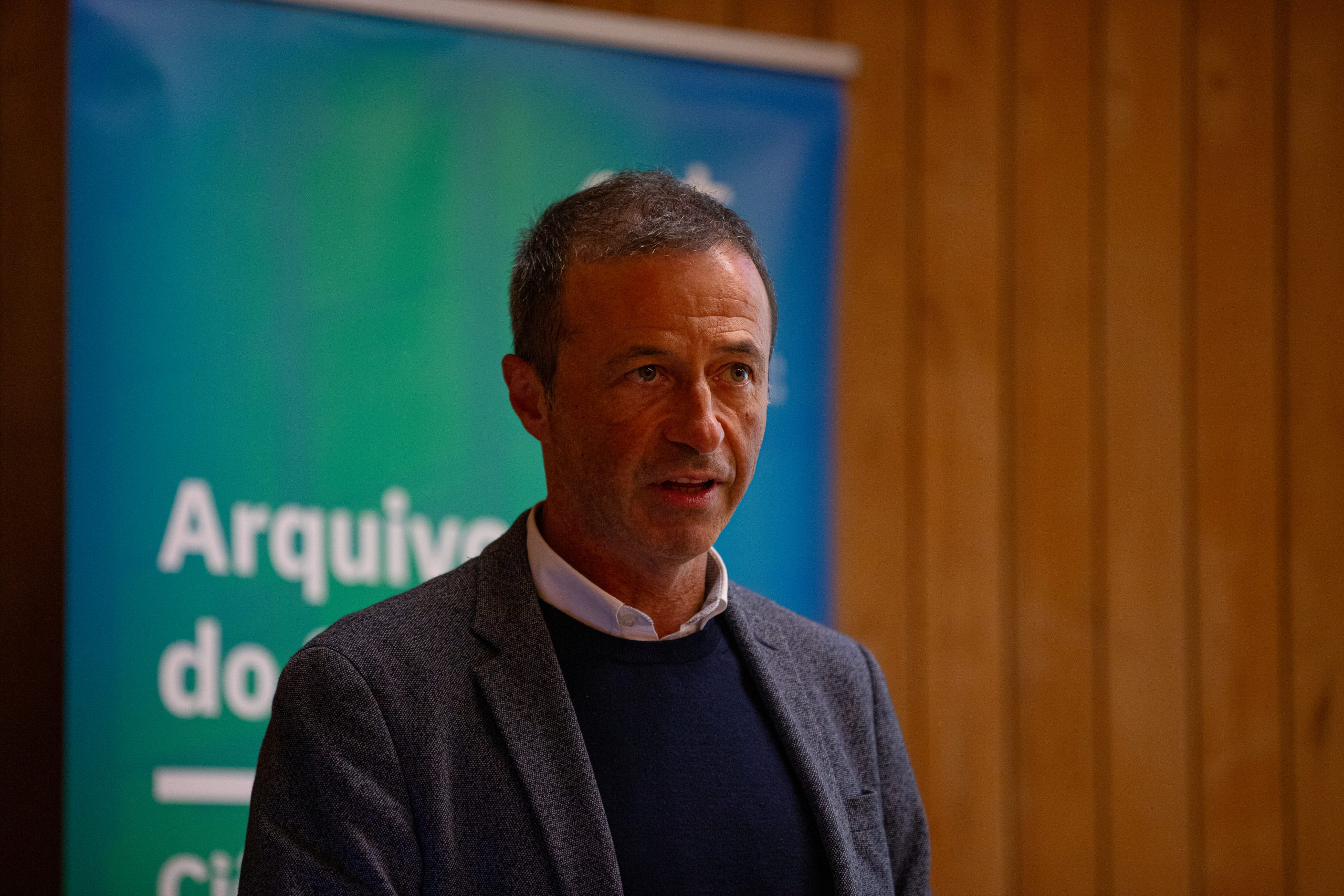
This session openned with speeches by Maria Paula Diogo, member of the Board of Directors of the Fundação para a Ciência e a Tecnologia (FCT), Paula Meireles, coordinator of the Science and Technology Archive (Arquivo de Ciência e Tecnologia), and João Nuno Ferreira, vice-president of FCT and general coordinator of the digital services unit, FCCN.

The guest speakers are Rúben Almeida, from INESC TECFEUP, who will give a presentation entitled Minha Região – O Teu Portal Autárquico, and Joaquim José, from the Instituto Politécnico da Guarda, who will talk about Memor.pt – Explore a Memória Digital Portuguesa, both winners of the Arquivo.pt 2025 Award, 1st and 2nd places, respectively. The session will be moderated by João Gomes, area director of FCCN, FCT’s digital services unit.

Programa_19NOV_Arquivos-do-Saber_2025_page-0001

19 November programme – ‘Arquivos do Saber’ cycle

The Science and Technology Archive and the dissemination of its collection

The cycle Archives of Knowledge: Science, History and Memory (Arquivos do Saber: Ciência, História e Memória), organised by FCT, has been running since February this year, with the aim of disseminating the documentary collection of its Science and Technology Archive (Arquivo de Ciência e Tecnologia), as well as others relevant to the history and memory of Science and Technology in Portugal. The sessions are short and take place in an informal and sharing environment.

Image gallery

5ª sessão do ciclo Arquivos do Saber: Ciência, História e Memória, na FCCN

20251119-sessao-arquivos-do-saber-fccn-11
20251119-sessao-arquivos-do-saber-fccn-10
20251119-sessao-arquivos-do-saber-fccn-1
20251119-sessao-arquivos-do-saber-fccn-8
20251119-sessao-arquivos-do-saber-fccn-12
20251119-sessao-arquivos-do-saber-fccn-13
20251119-sessao-arquivos-do-saber-fccn-14
20251119-sessao-arquivos-do-saber-fccn-18
20251119-sessao-arquivos-do-saber-fccn-17
20251119-sessao-arquivos-do-saber-fccn-21
20251119-sessao-arquivos-do-saber-fccn-20
20251119-sessao-arquivos-do-saber-fccn-19
20251119-sessao-arquivos-do-saber-fccn-22
20251119-sessao-arquivos-do-saber-fccn-11 20251119-sessao-arquivos-do-saber-fccn-10 20251119-sessao-arquivos-do-saber-fccn-1 20251119-sessao-arquivos-do-saber-fccn-8 20251119-sessao-arquivos-do-saber-fccn-12 20251119-sessao-arquivos-do-saber-fccn-13 20251119-sessao-arquivos-do-saber-fccn-14 20251119-sessao-arquivos-do-saber-fccn-18 20251119-sessao-arquivos-do-saber-fccn-17 20251119-sessao-arquivos-do-saber-fccn-21 20251119-sessao-arquivos-do-saber-fccn-20 20251119-sessao-arquivos-do-saber-fccn-19 20251119-sessao-arquivos-do-saber-fccn-22

Photos by Leonor Arrimar, FCT

Session video

Speakers and presentation

Ranking search results on Arquivo.pt on World Digital Preservation Day

Anotação de resultados de pesquisa no Arquivo.pt

Last updated on November 7th, 2025 at 03:55 pm

Anotação de resultados de pesquisa no Arquivo.pt

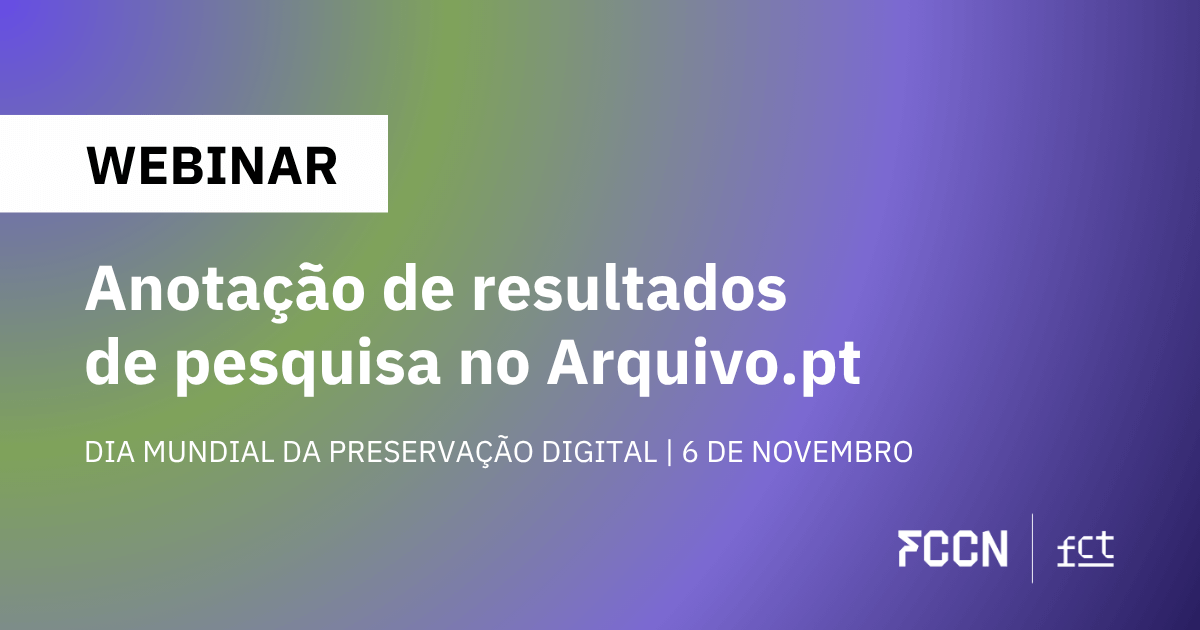
On World Digital Preservation Day, Arquivo.pt is promoting an online session dedicated to annotating search results on Arquivo.pt.

On World Digital Preservation Day, Arquivo.pt promoted an online session dedicated to annotating search results on Arquivo.pt, on 6 November, from 3 p.m. to 4 p.m.

The following topics were covered:

i) Access as a priority – text search as a search engine for the past
ii) How archived content is processed
iii) Annotations as quality assurance – demonstration

Importance of ranking results

The Arquivo.pt team has been reimplementing text search on Arquivo.pt, but needs to measure the quality of the new implementation by comparing it with the previous one. To do this, it is calling on the community for help.

How to rank results on Arquivo.pt

1. Acess to: https://anota.arquivo.pt

2. A random survey will appear (in Portuguese).

Example: “cavalo lusitano” “Associação Portuguesa do Cavalo Puro Sangue Lusitano” Entre 6 de agosto de 1991 e 1 de janeiro de 2010

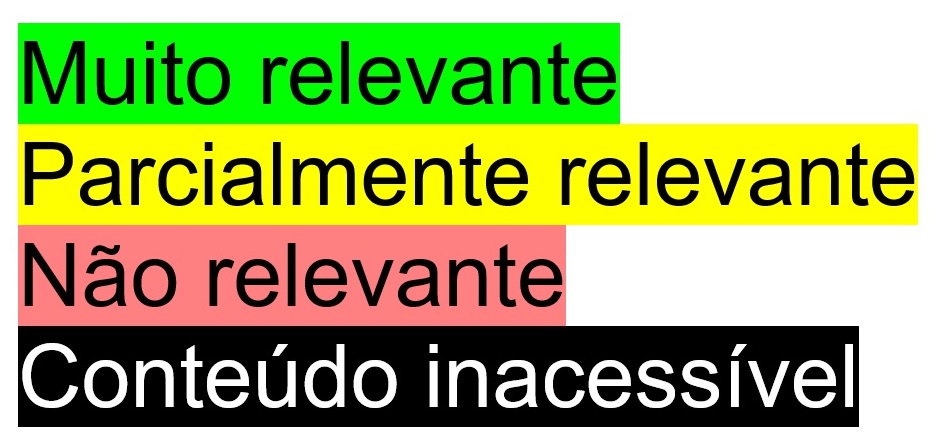
3. Indicate the relevance of the result by selecting one of the buttons:

Annotation buttons: Very relevant, Partially relevant, Not relevant, Inaccessible content.

4. After finishing your annotation session, you should ‘Export’ (using the button for this purpose, which will download a file annotations.json).

5. Submit by clicking the ‘Enviar’ (Submit button and uploading the annotations.json file. Alternatively, you can send it by email to contacto@arquivo.pt.

Please refer to the guide (Guia de anotação de resultados de pesquisa) for a complete list of instructions.

RESAW 2025 conference had the participation of Arquivo.pt

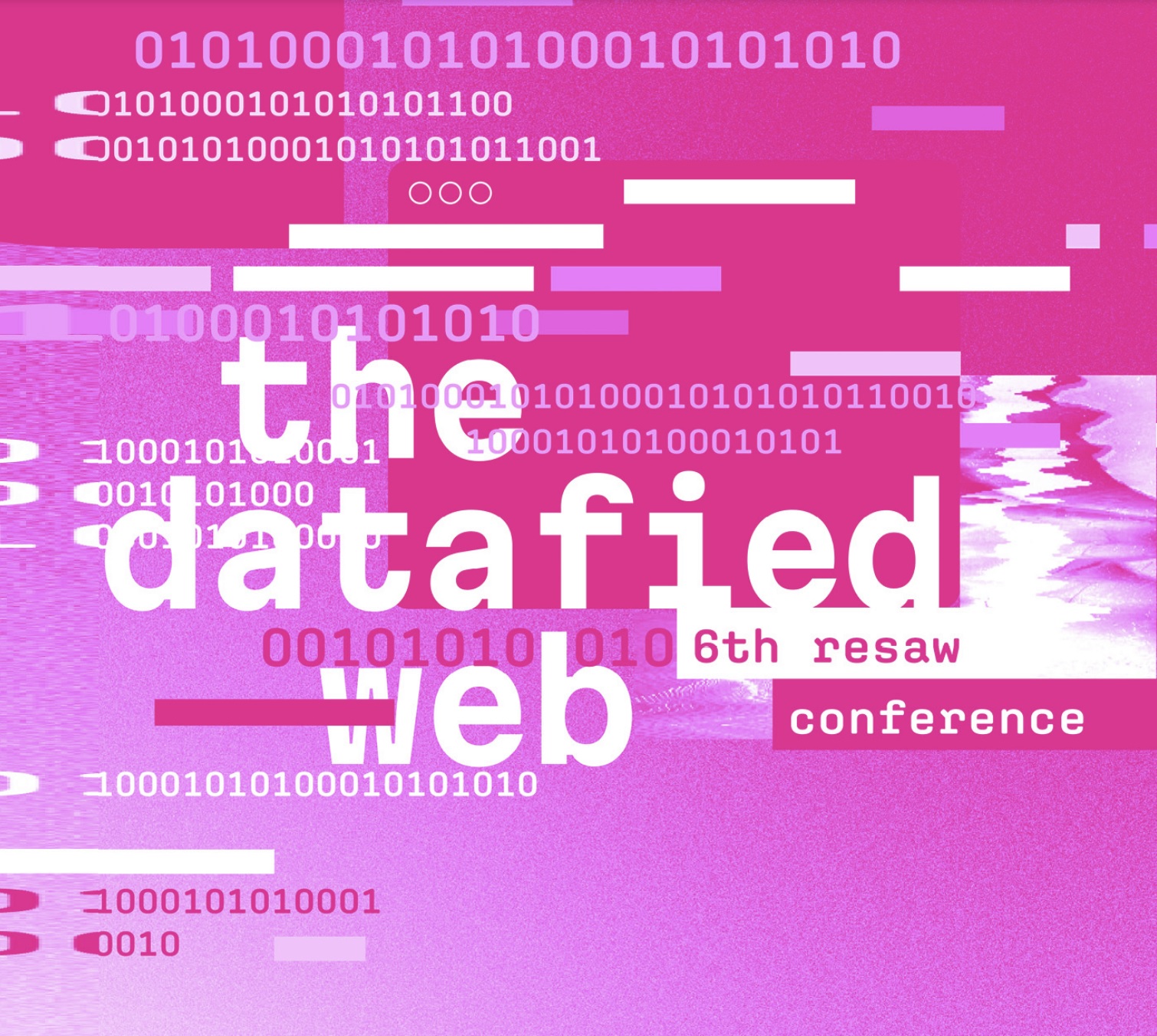
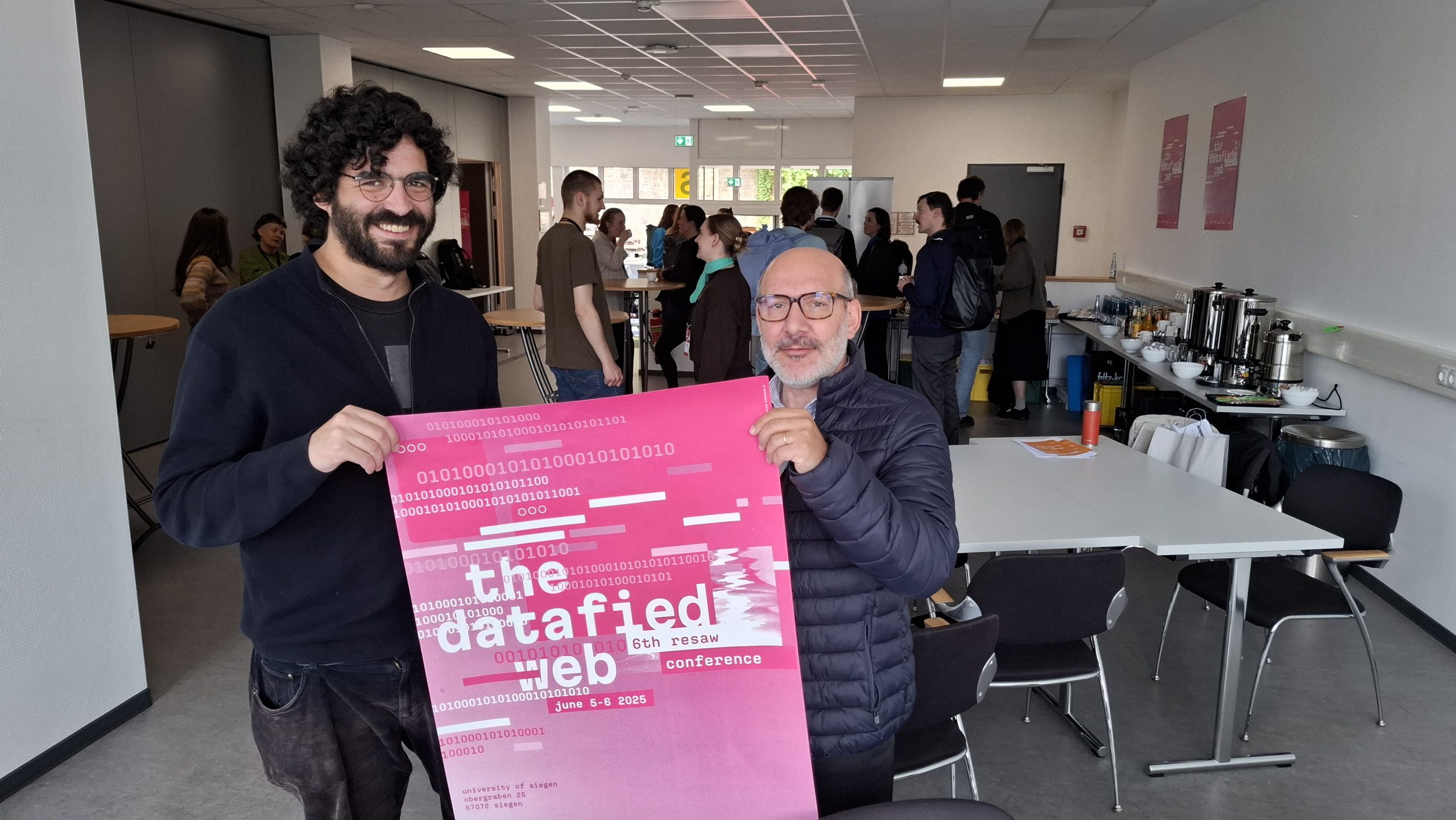
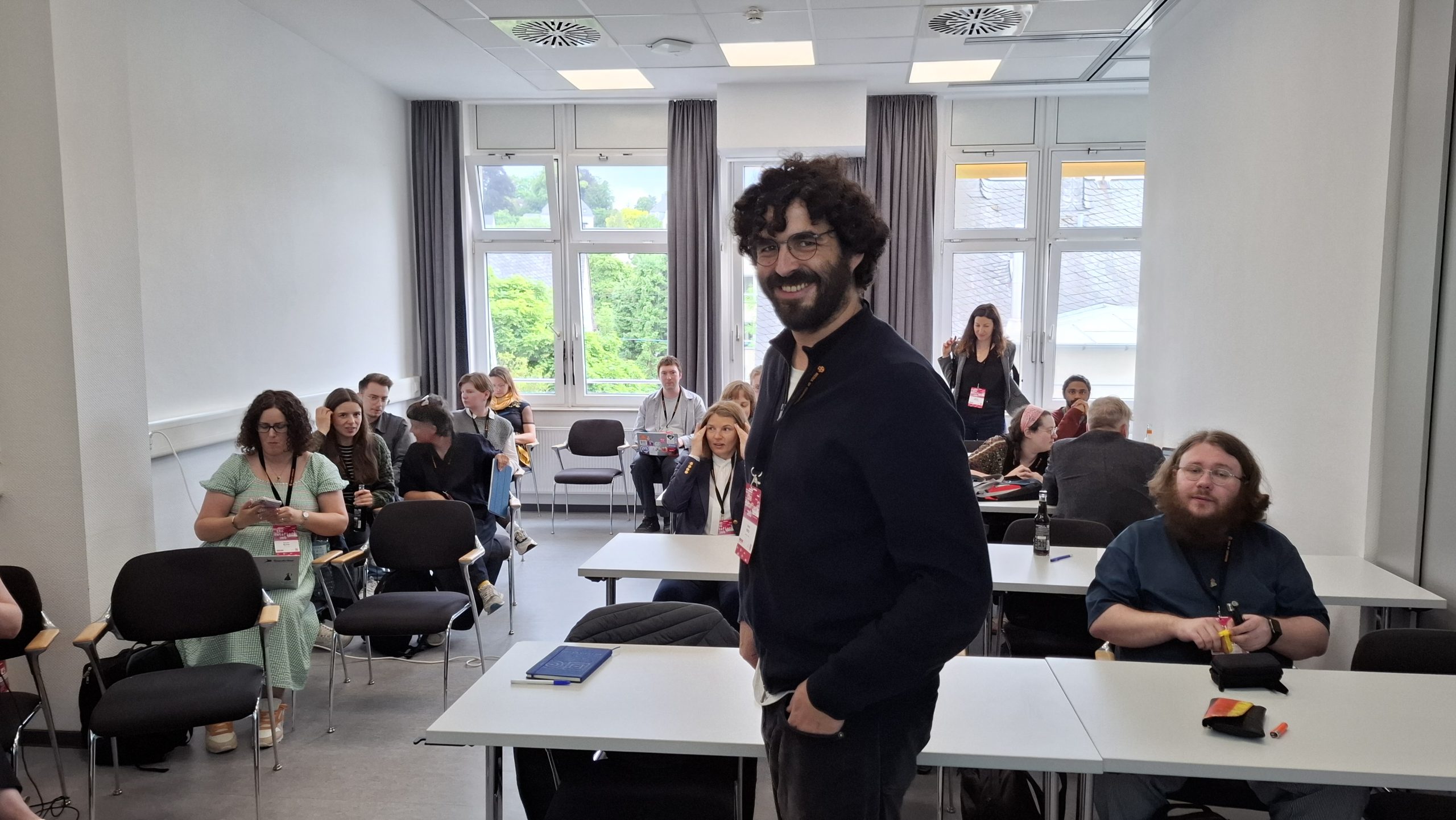
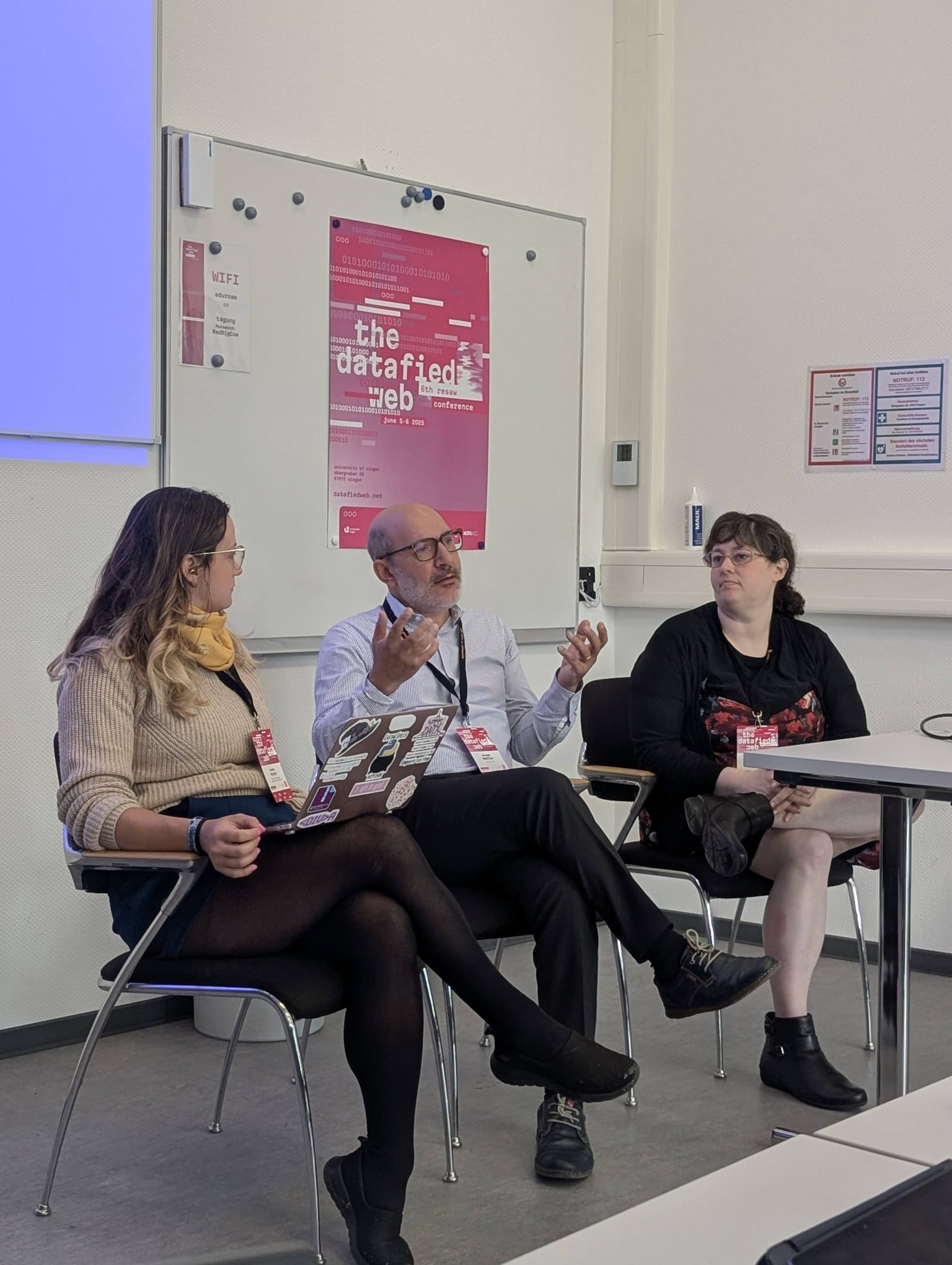
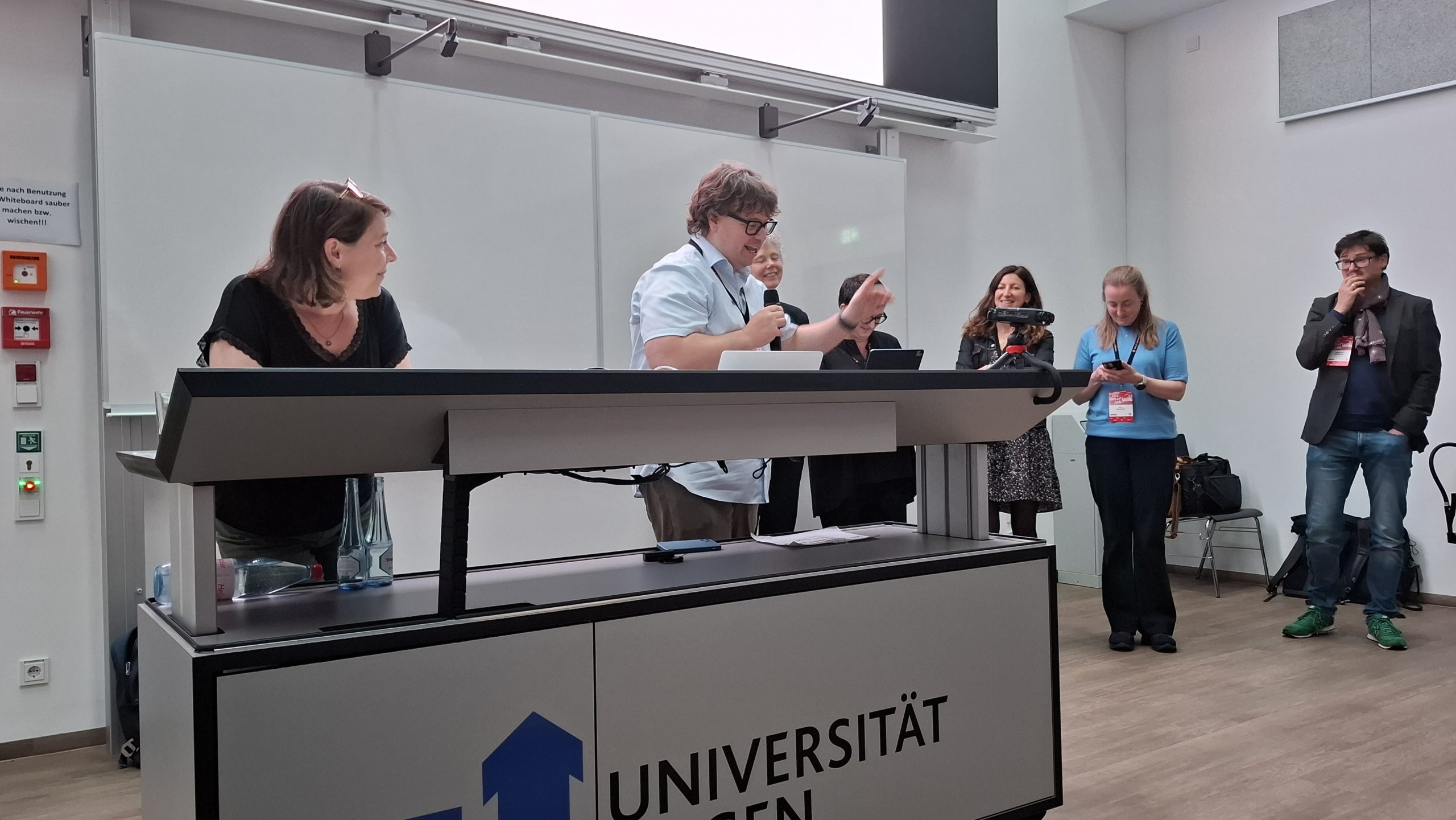
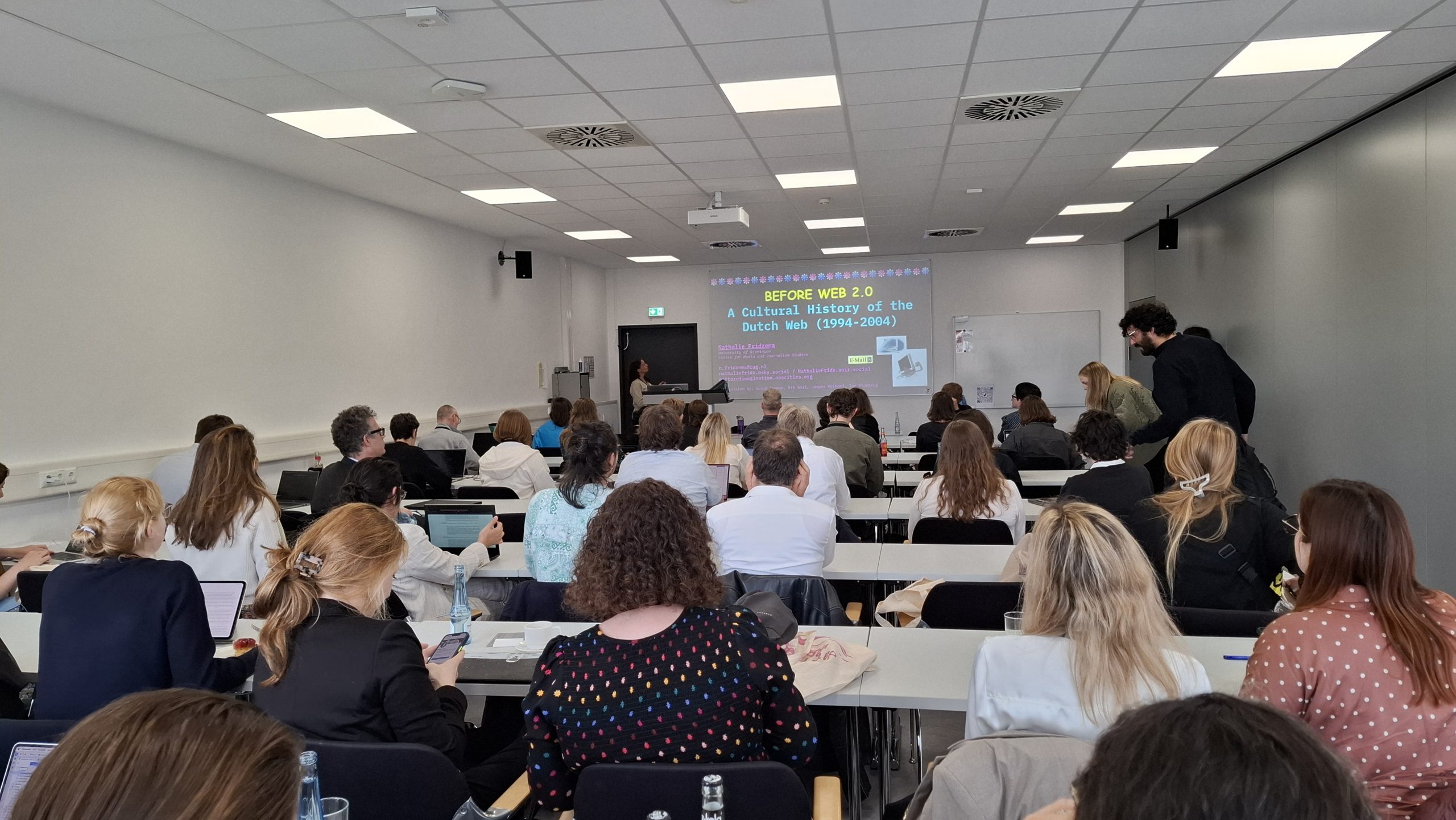
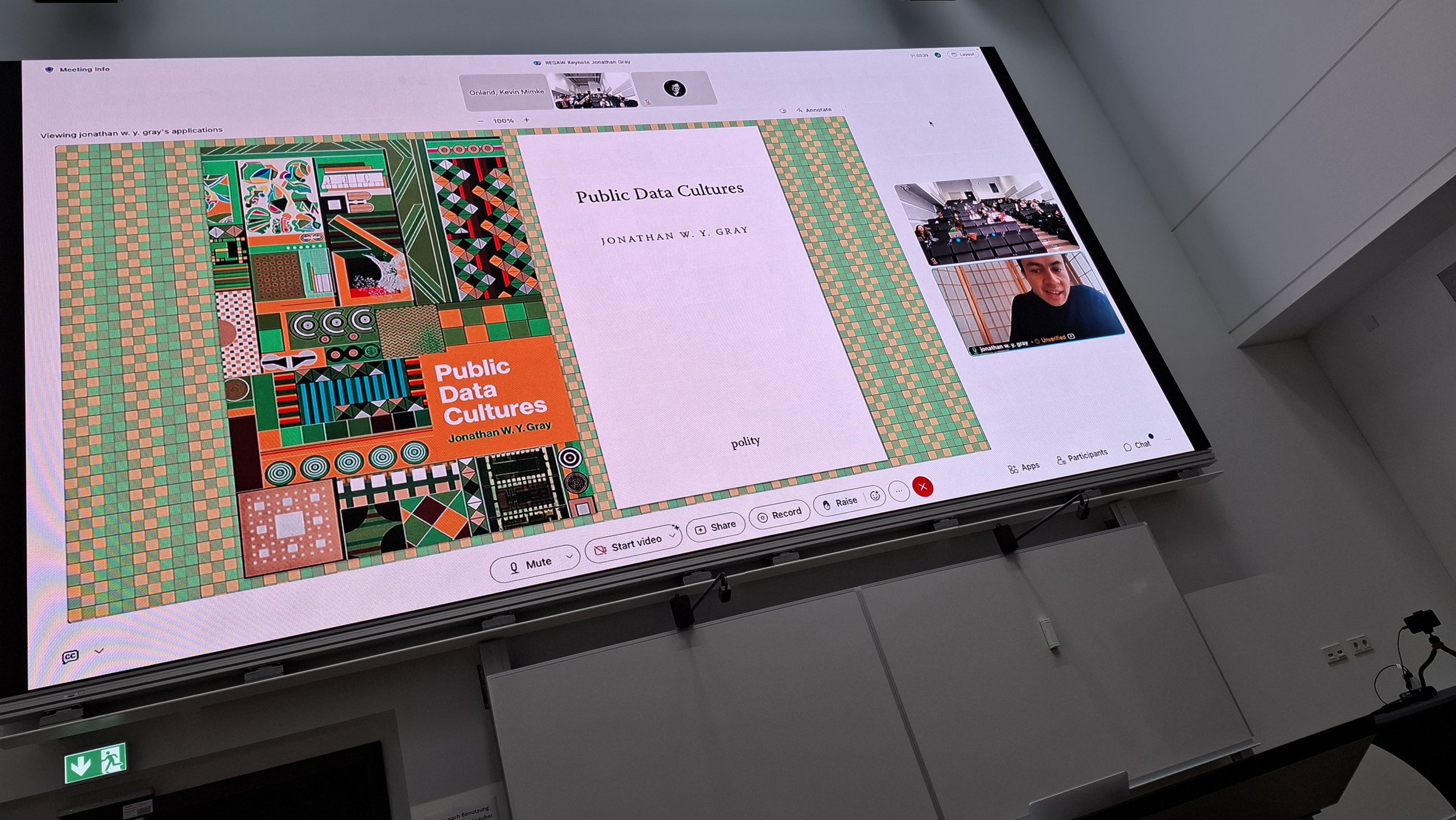
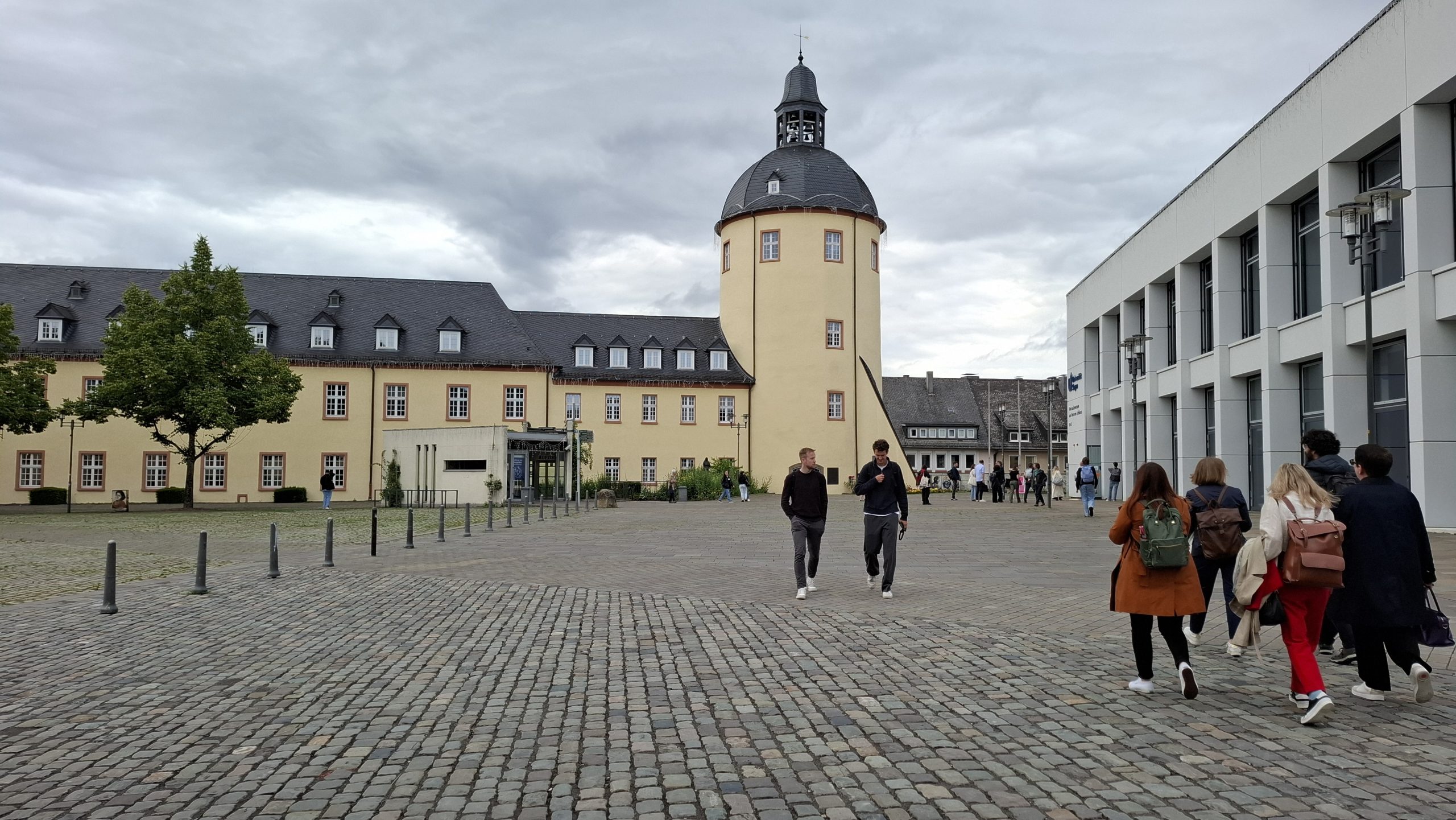
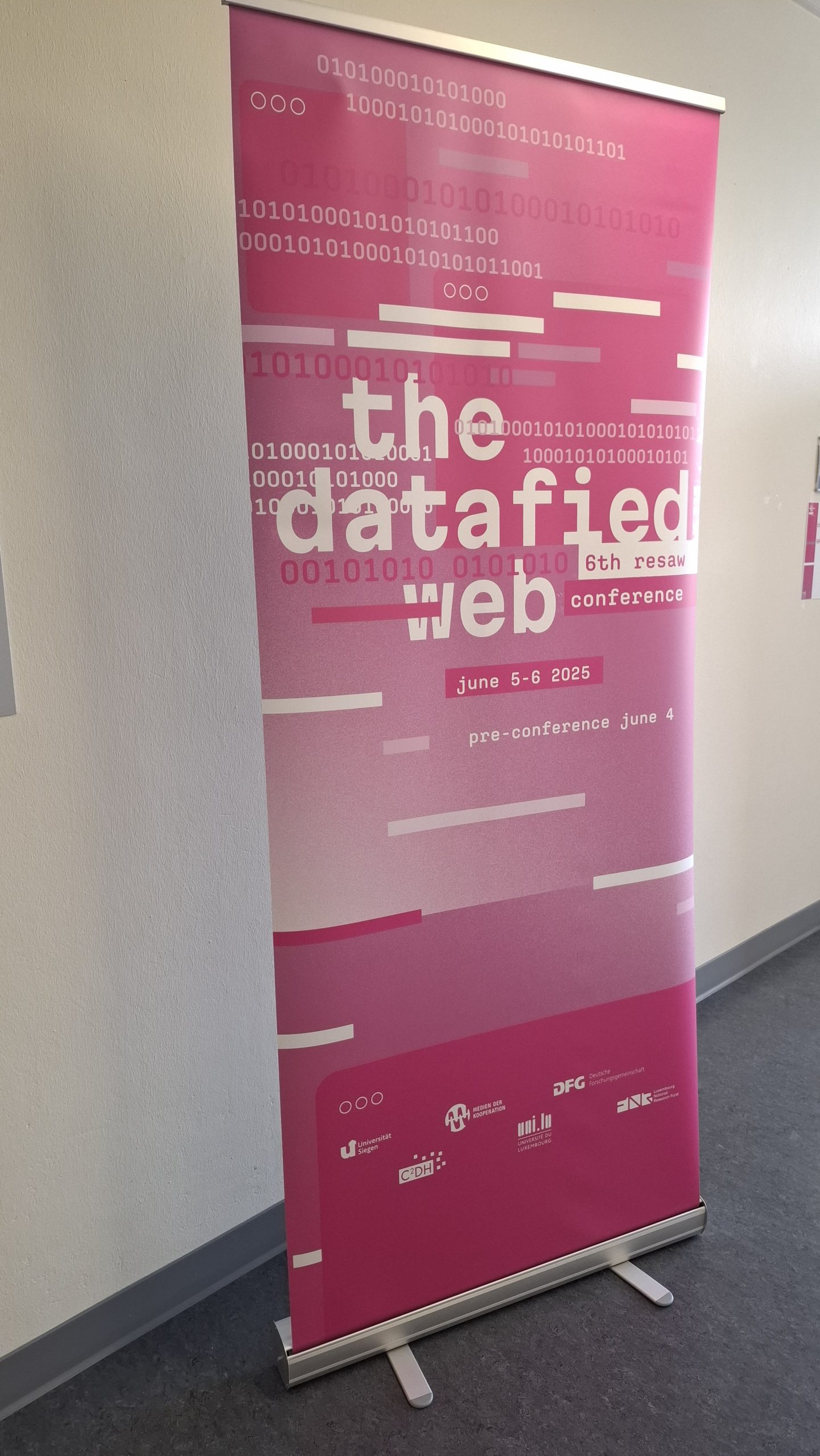
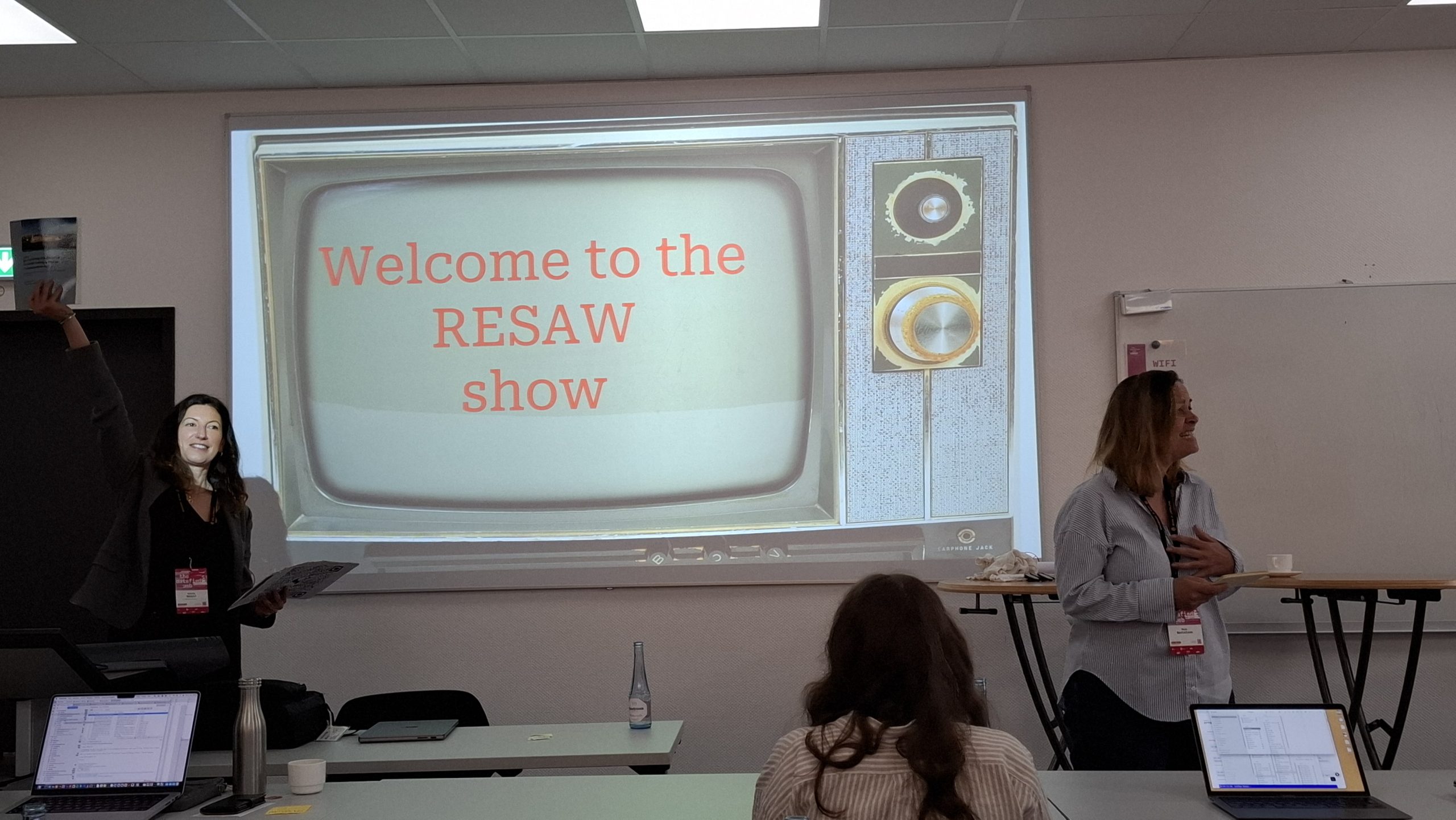
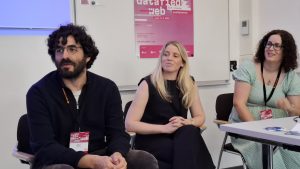
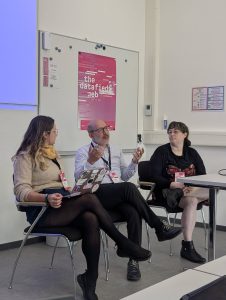
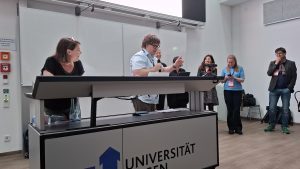
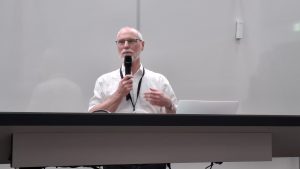
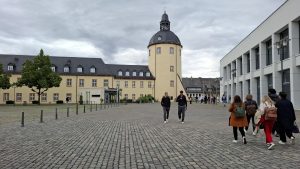
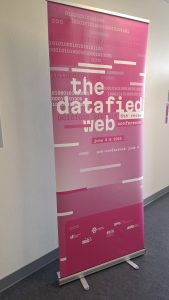
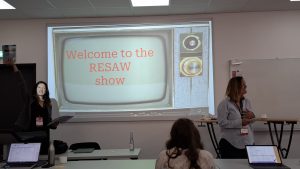
Arquivo.pt was present at the 6th RESAW Conference for researchers in the Digital Humanities, Media and Communication and other areas, on the theme of ‘The Datafied Web’, which took place at the University of Siegen, Germany, from 4 to 6 June 2025.

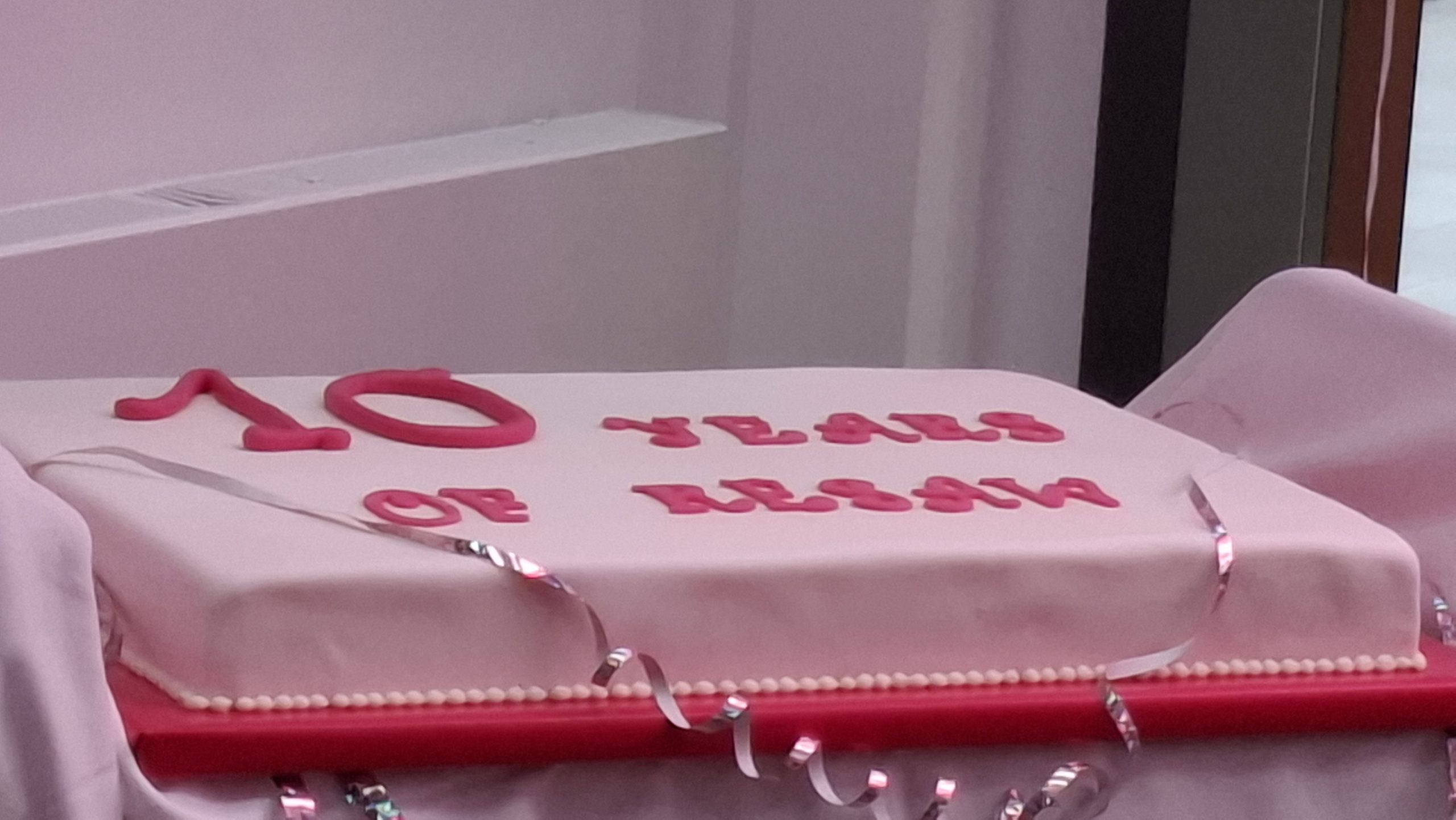
RESAW (Research Infrastructure for the Study of Archived Web Materials) is an informal initiative that brings together researchers who use web archives in their research. RESAW’s first conference was in 2015, and it is now held every two years.

Initially, RESAW brought together European researchers, but now it brings together researchers from all over the world and has become a unique forum of its kind. In 2025, it had more than 100 participants. It brings together the best in the field of using web archives in research.

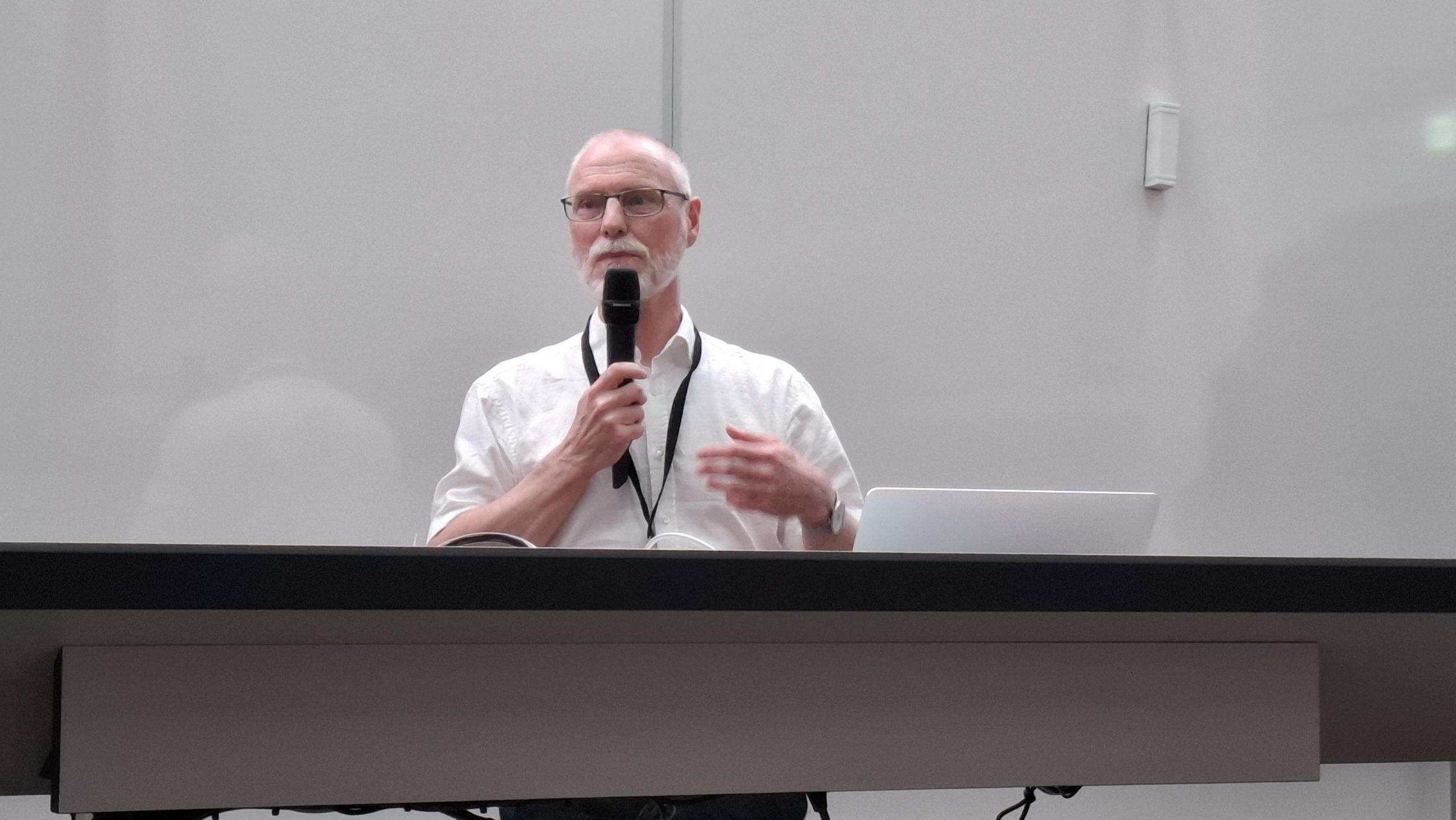
Niels Brügger, Professor of Media and Communication at Aaharus University in Denmark, has been its main driving force for 10 years.

Other leading researchers with studies on web archives are: Valerie Schafer from the University of Luxembourg, Jane Winters from the University of London, Anne Helmond from the University of Utrecht, Susan Aasman from the University of Groningen, Sophie Gebeil from Aix-Marseille University and Ian Millingan from the University of Waterloo.

This year’s theme “The Datafied Web” addressed the issue of the datification of the Web, from its beginnings in the 1990s to the present day, marked by massive data processing and the use of Artificial Intelligence.

Why would a web archive take part in an academic meeting?

Arquivo.pt has been a regular participant in RESAW since 2019, as it wants to make itself increasingly known as a service for national and international researchers.

Thanks to participation in international events such as RESAW, several publications have appeared that use and refer to Arquivo.pt. Any researcher with Internet access can search the information preserved on Arquivo.pt, use the APIs, process information or train their models.

We invite Portuguese researchers to take part in this meeting, as we have been the only Portuguese presence in several editions. We have an accessible web archive, ready to use, which is not the case in other countries. We would like to see researchers in the fields of Digital Humanities and Media and Communication in Portugal using Arquivo.pt more often and actively participating in meetings like RESAW.

Arquivo.pt’s contribution to RESAW 2025

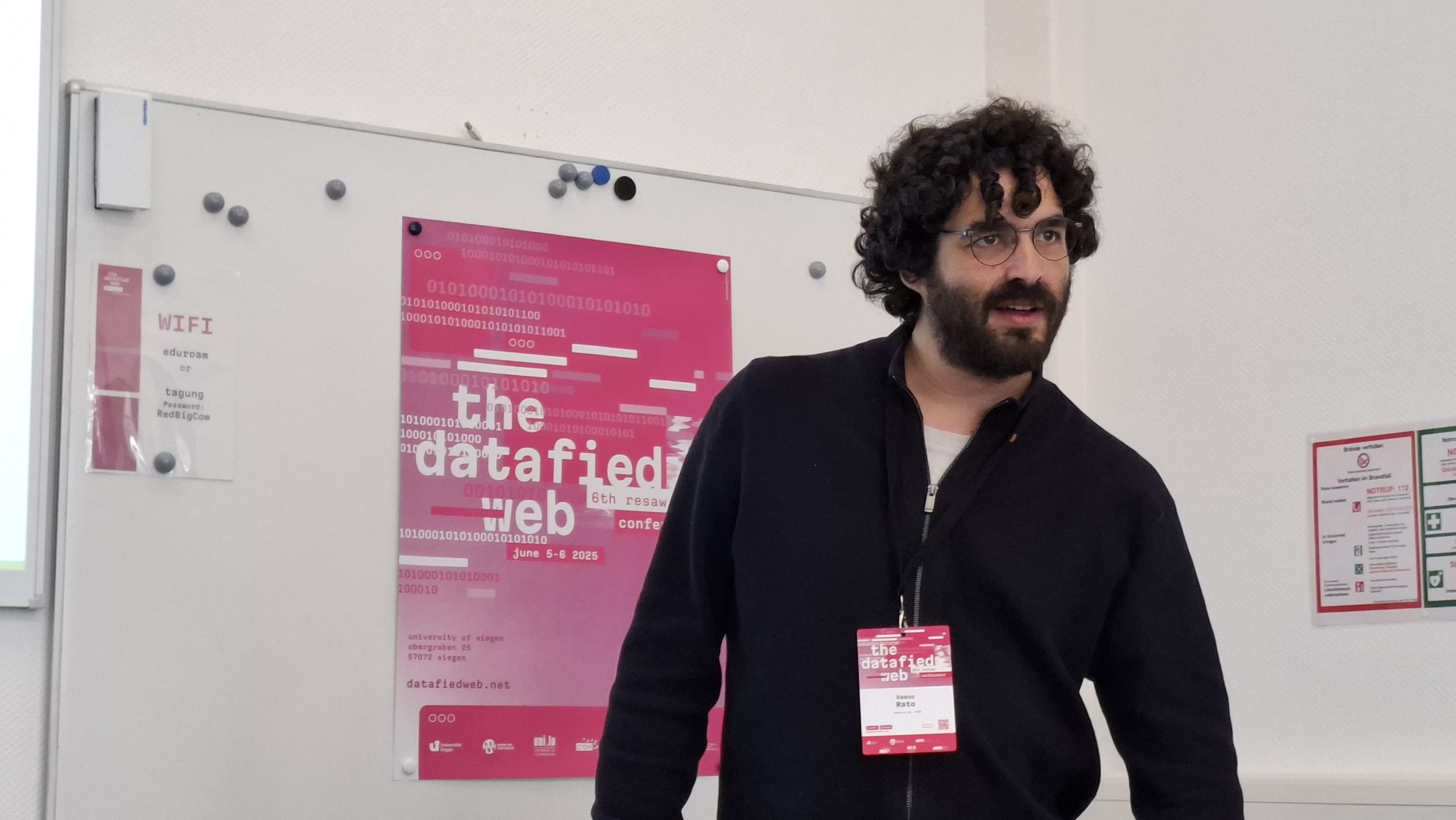
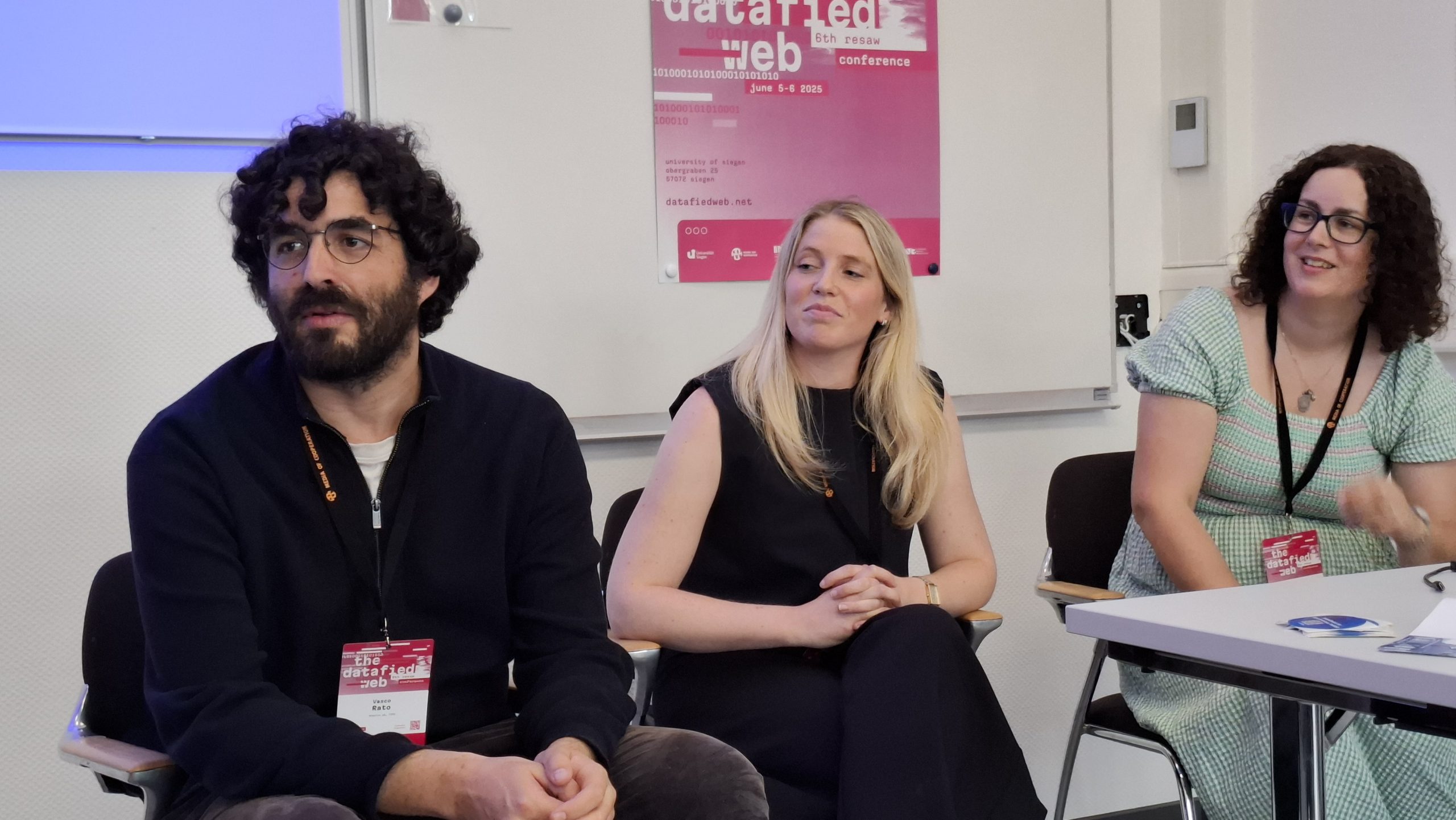
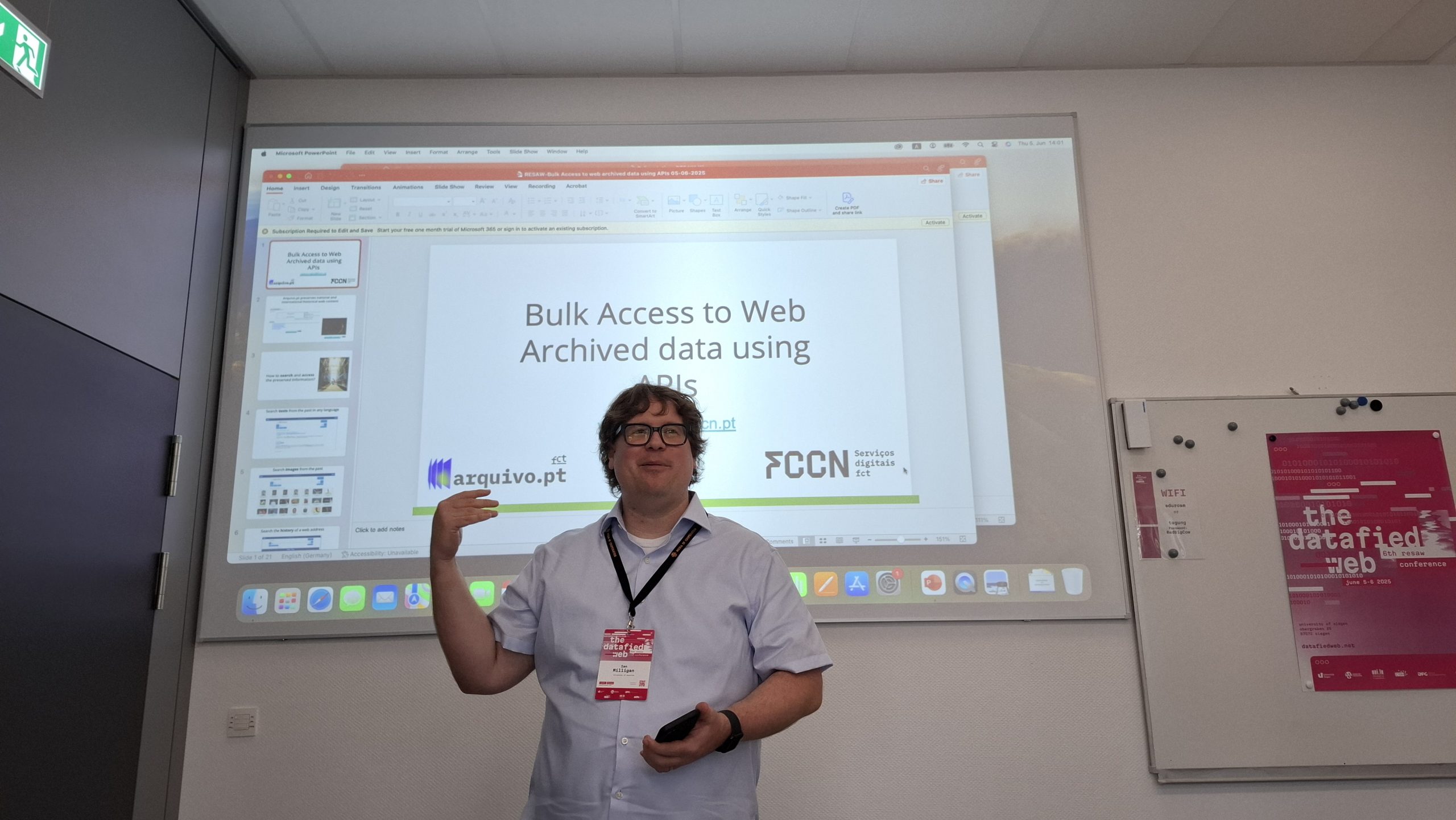
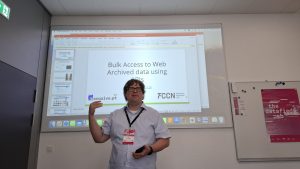
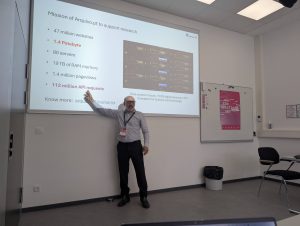
Arquivo.pt contributed two presentations to the 2025 edition of the RESAW meeting, held at the University of Siegen. The first was about the Arquivo.pt APIs and their application in a research context, by Vasco Rato. The second was about the open datasets and lists of websites on topics and events that Arquivo.pt has prepared to help researchers start exploring archived information in greater depth.

Image gallery

RESAW 2025 na Universidade de Siegen

20250606_134603
20250605_140131
20250605_140216
20250605_144614
20250605_140143
resaw-2025-06-06-16-34-12-9fabff72
resaw-2025-06-06-16-34-12-52bc46d9
20250605_192107
20250605_192321
20250605_193728
20250606_160211
20250606_091245
20250605_174918
20250604_175309
20250605_105228
20250606_134603 20250605_140131 20250605_140216 20250605_144614 20250605_140143 resaw-2025-06-06-16-34-12-9fabff72 resaw-2025-06-06-16-34-12-52bc46d9 20250605_192107 20250605_192321 20250605_193728 20250606_160211 20250606_091245 20250605_174918 20250604_175309 20250605_105228

Arquivo.pt at the University of Coimbra to talk about digital preservation

Last updated on May 22nd, 2025 at 06:45 pm

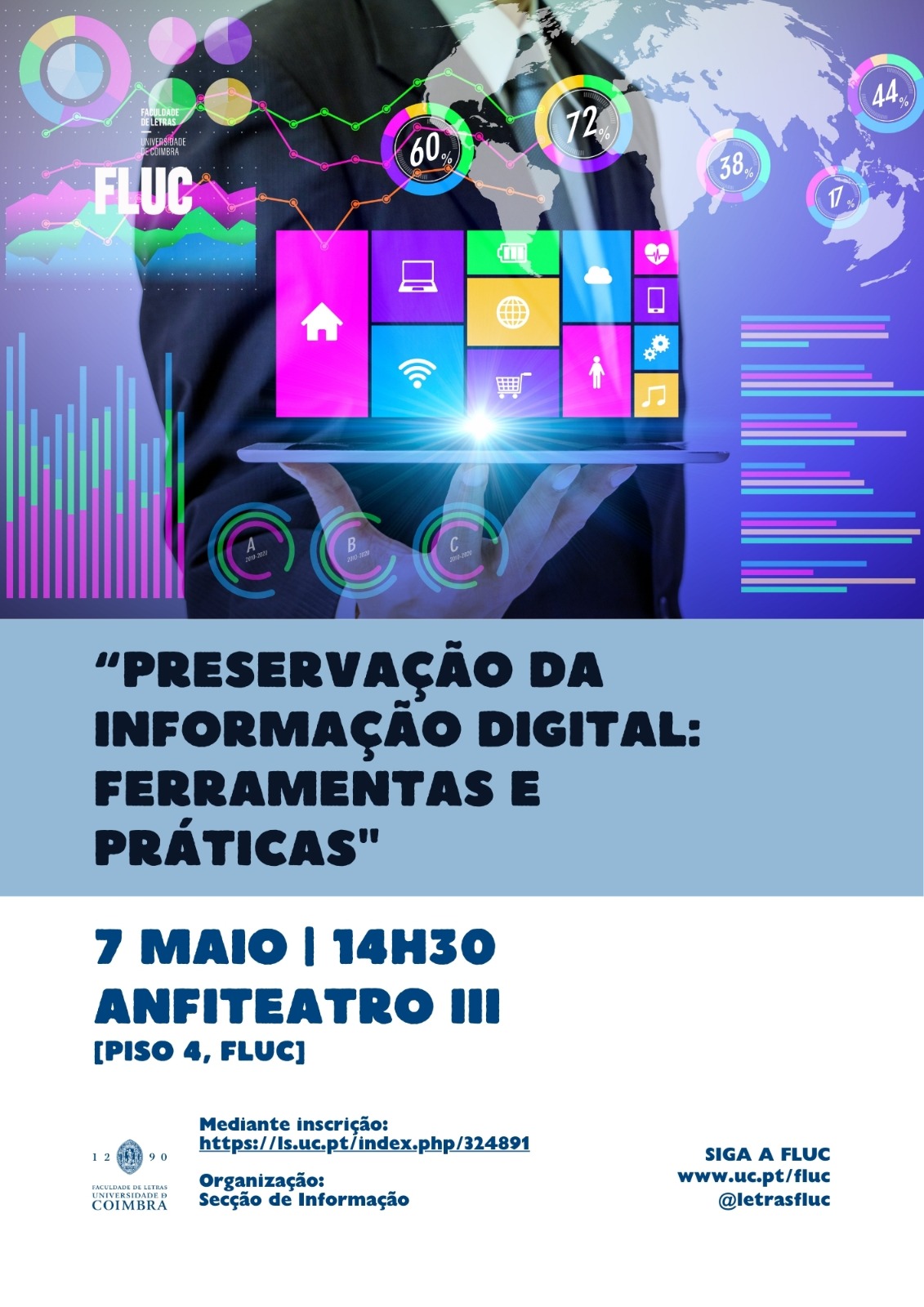
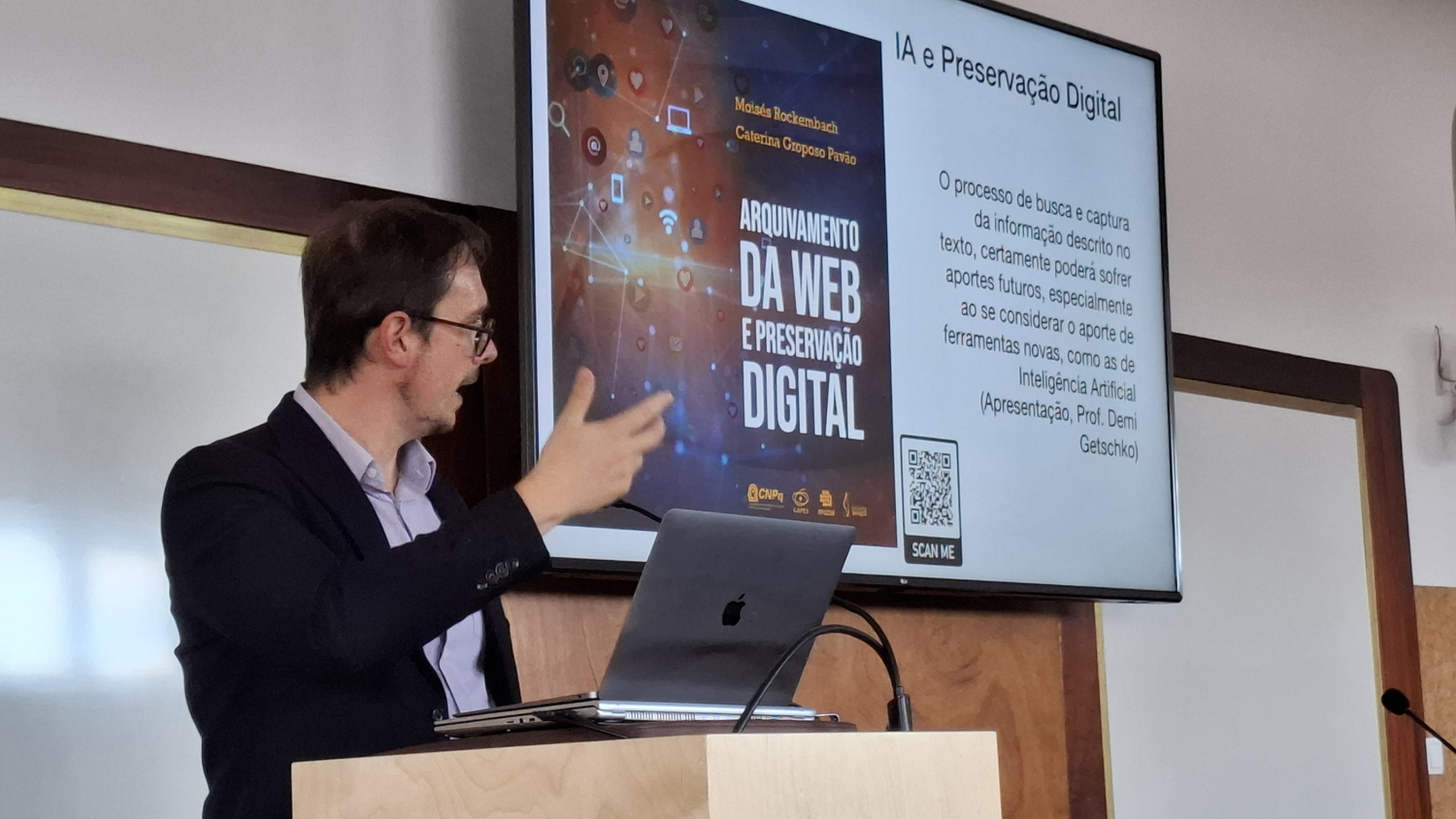
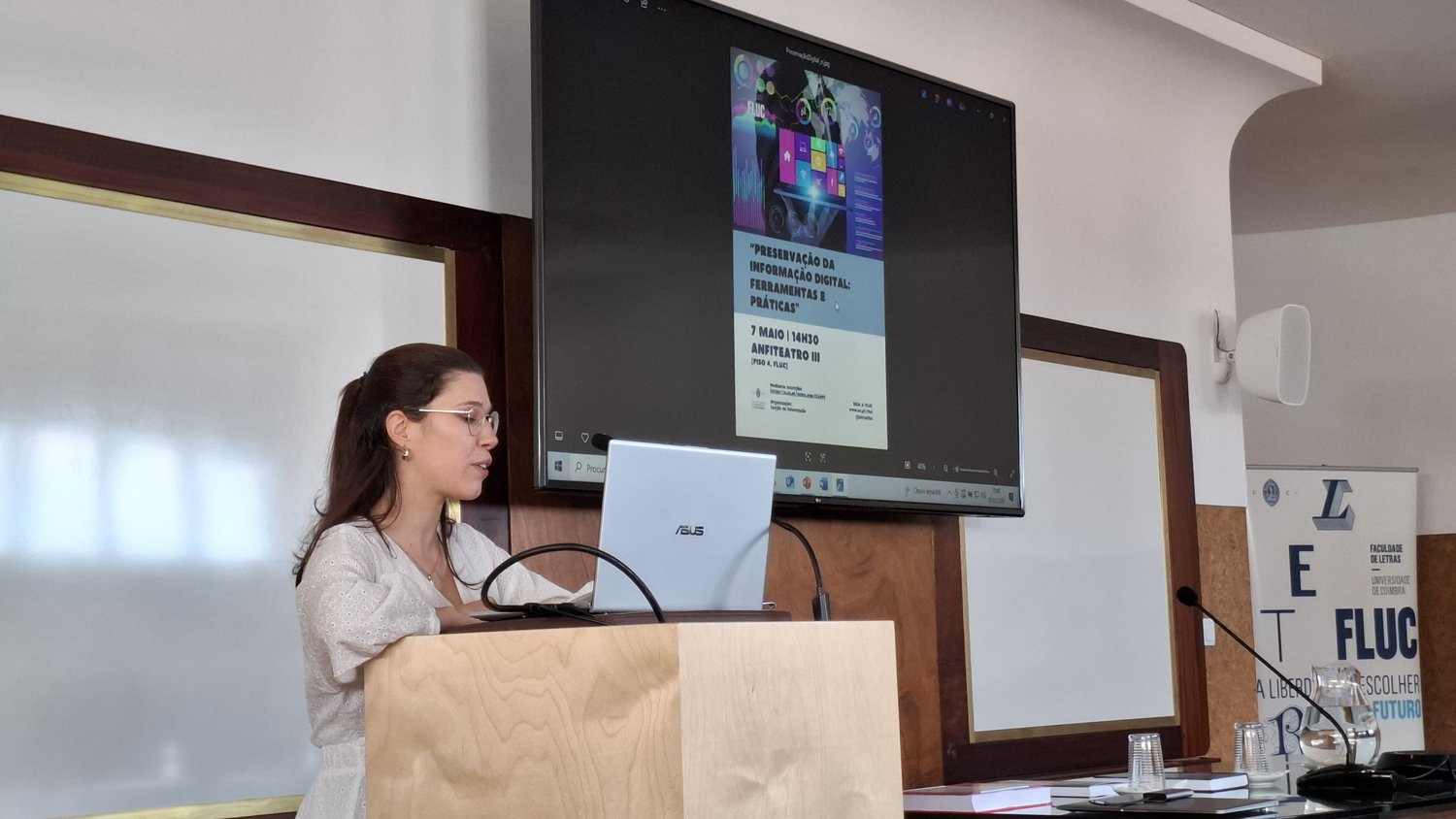
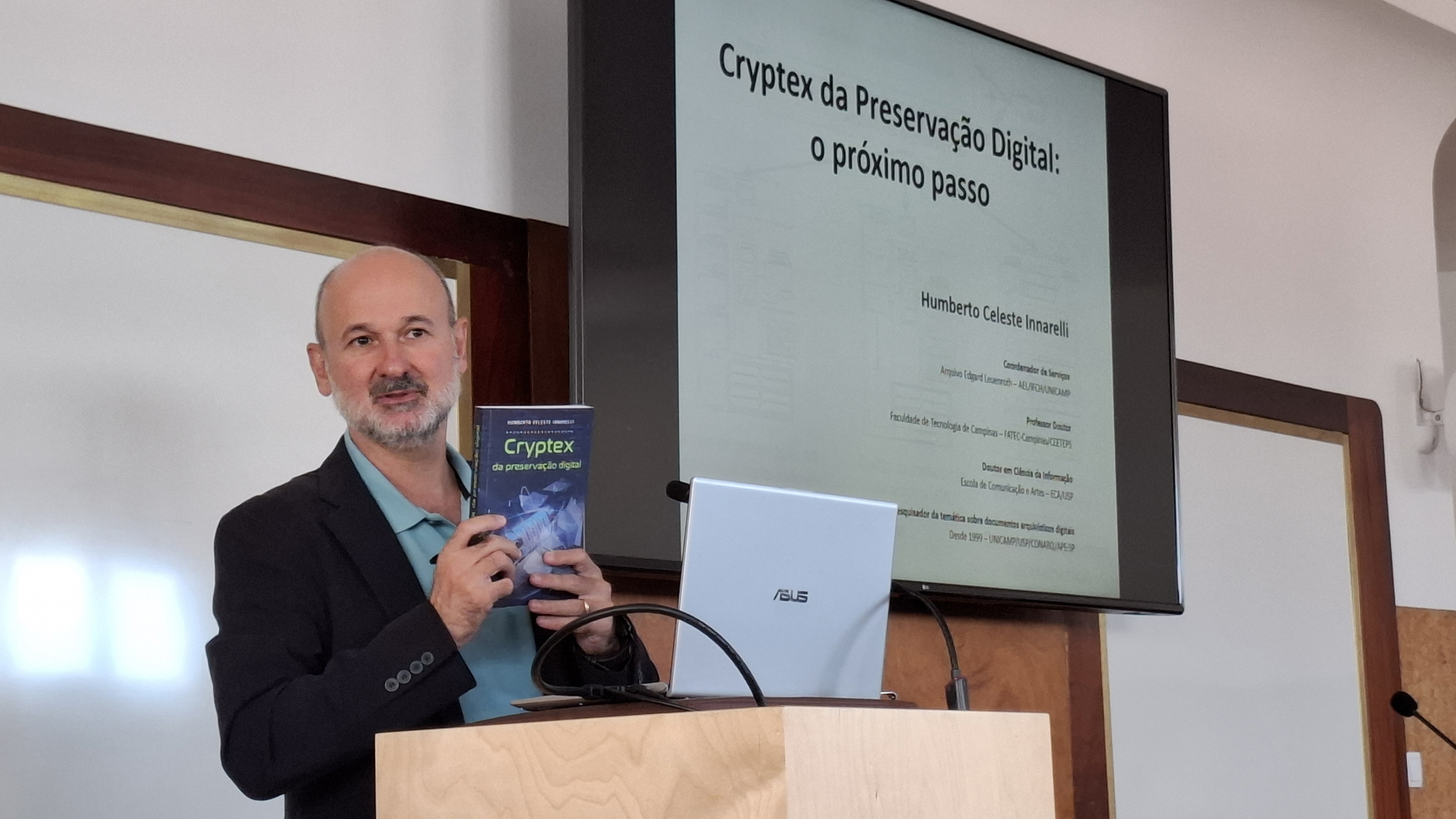
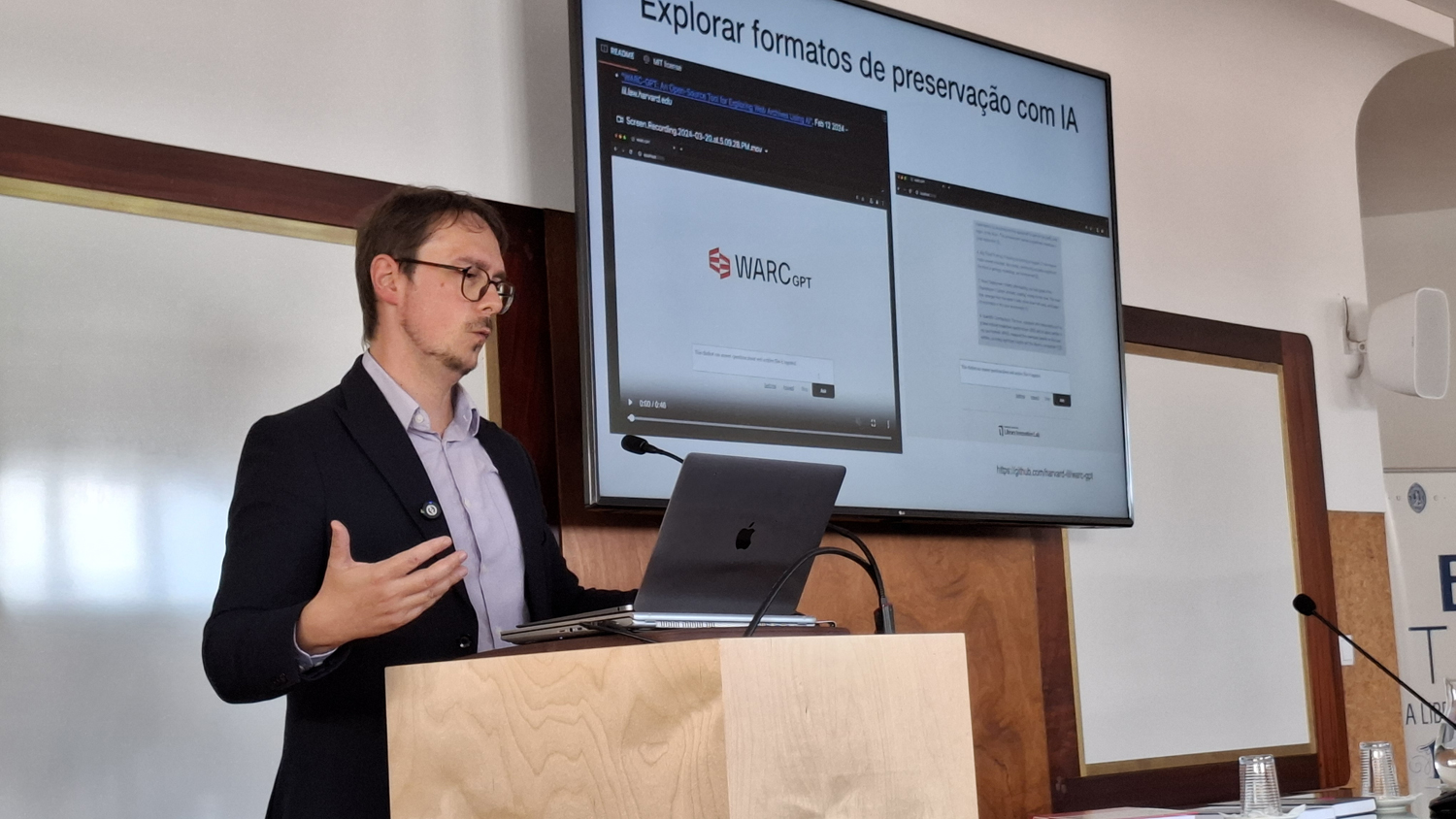
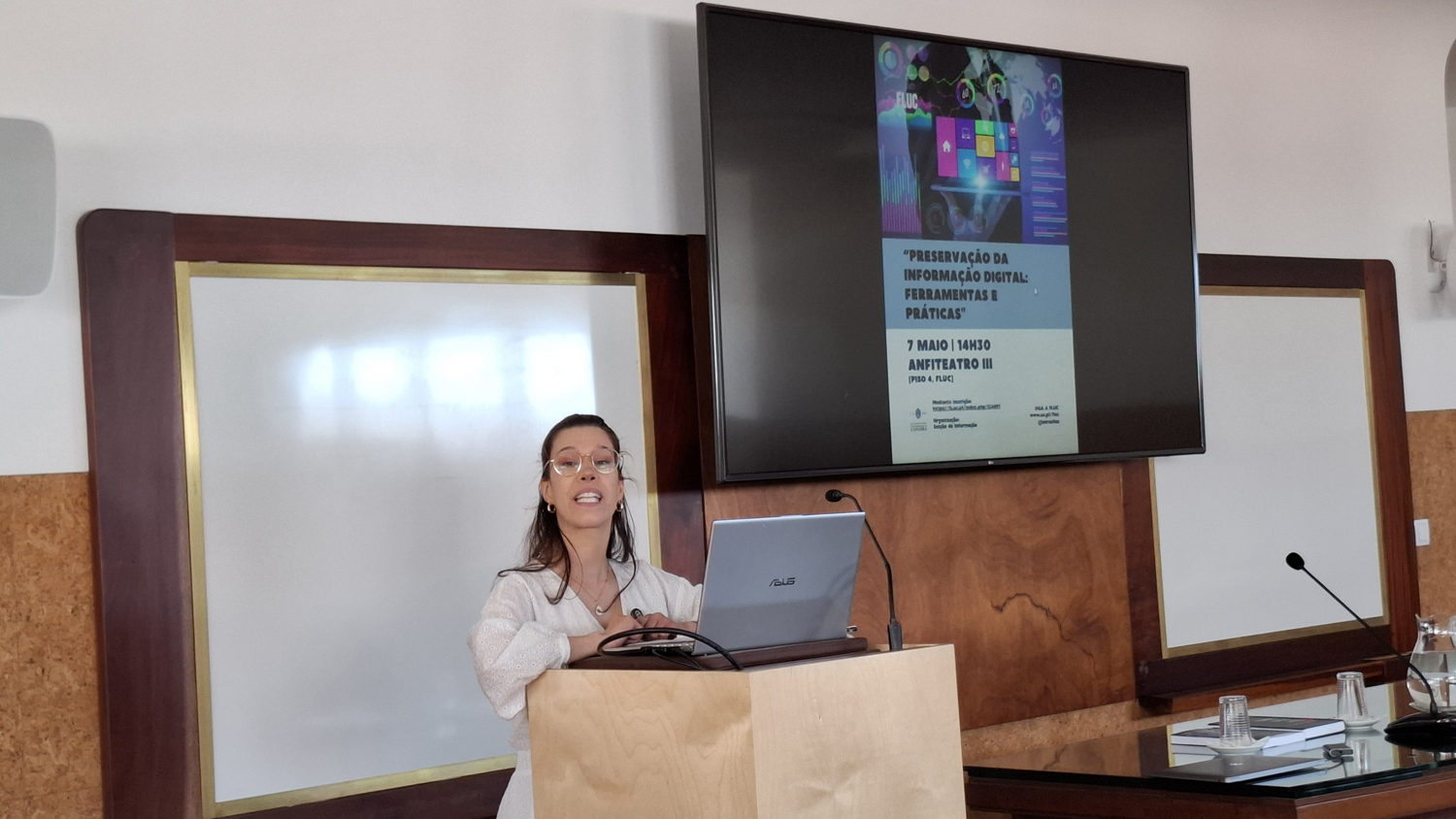
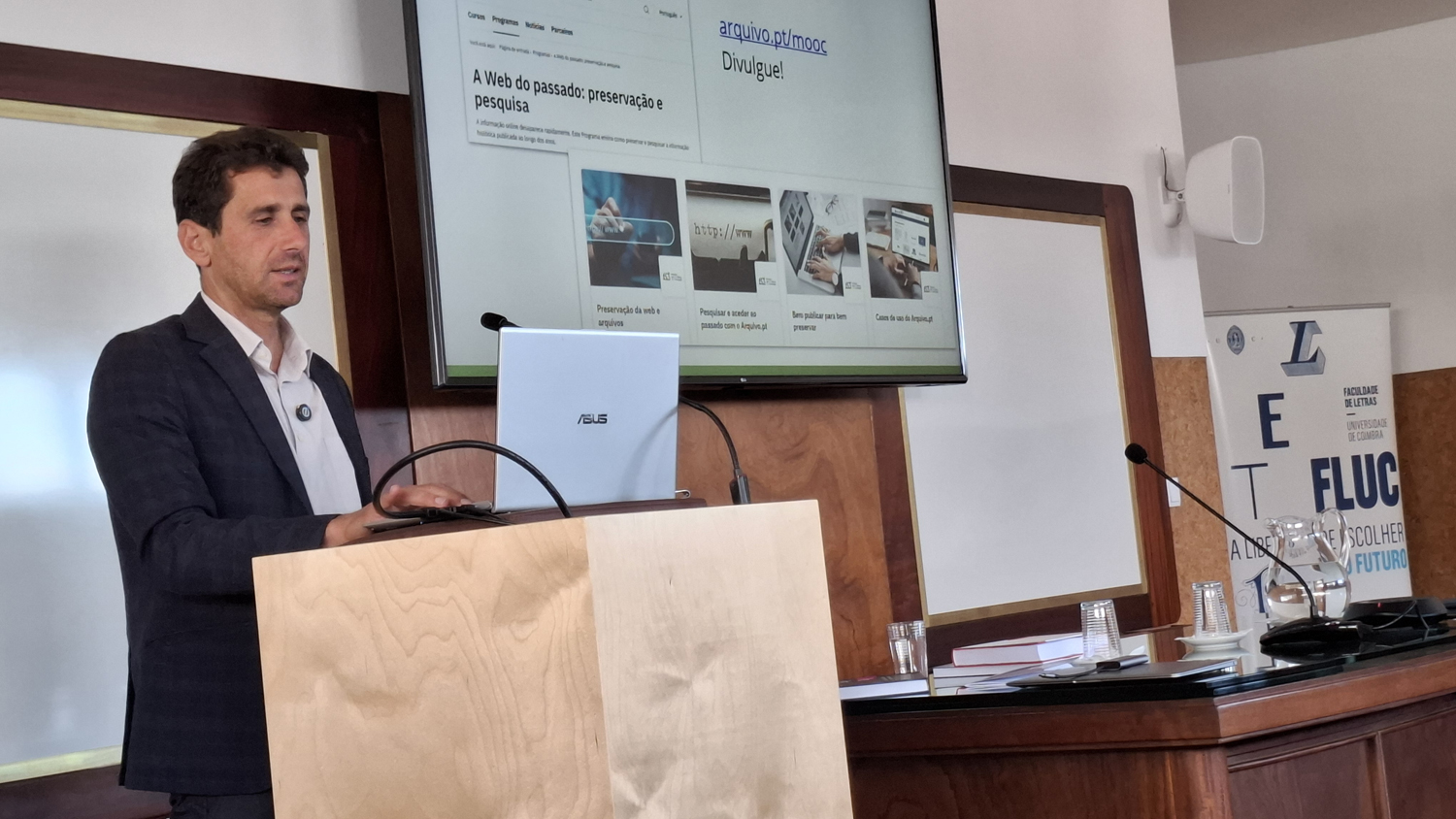
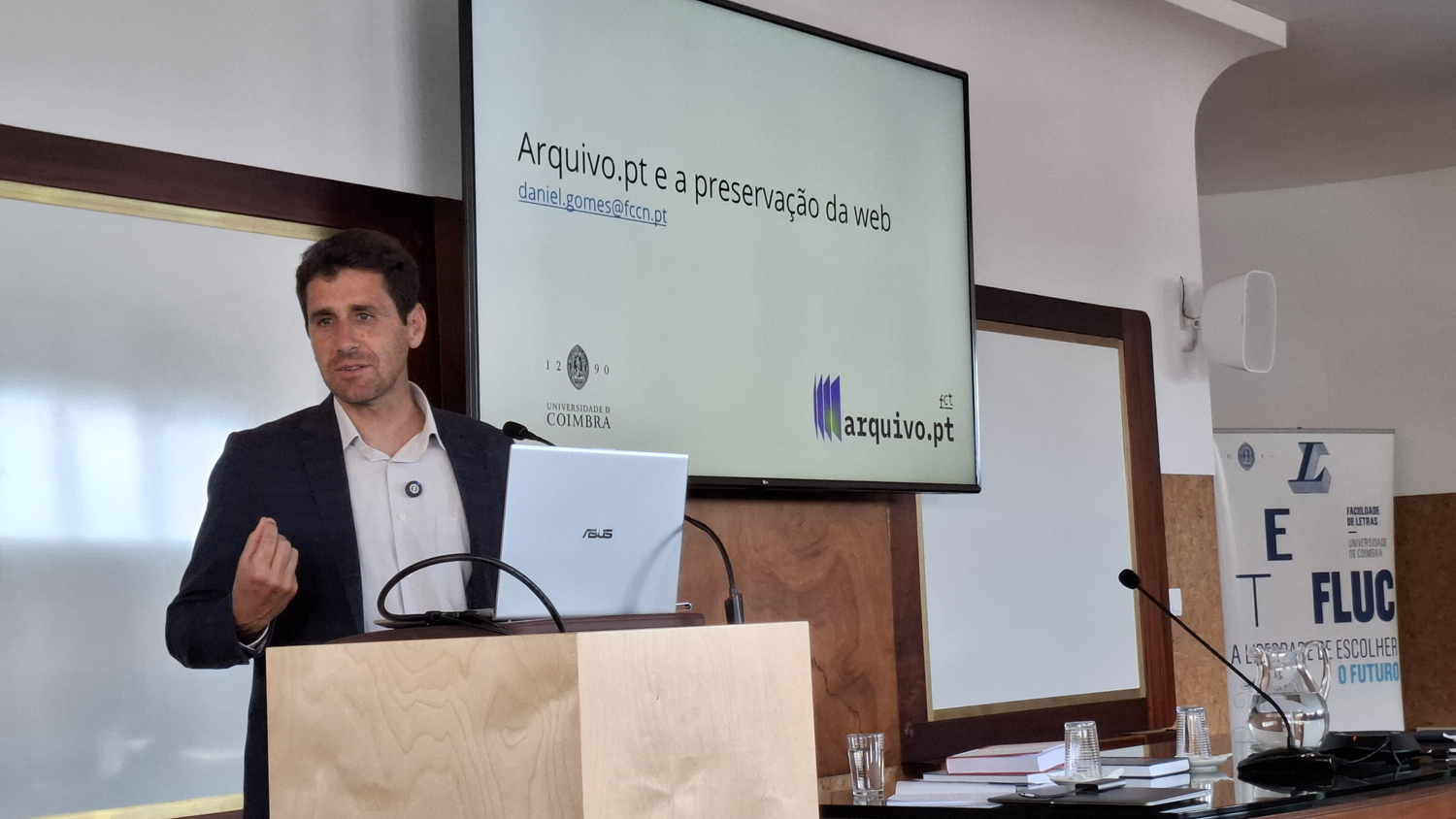
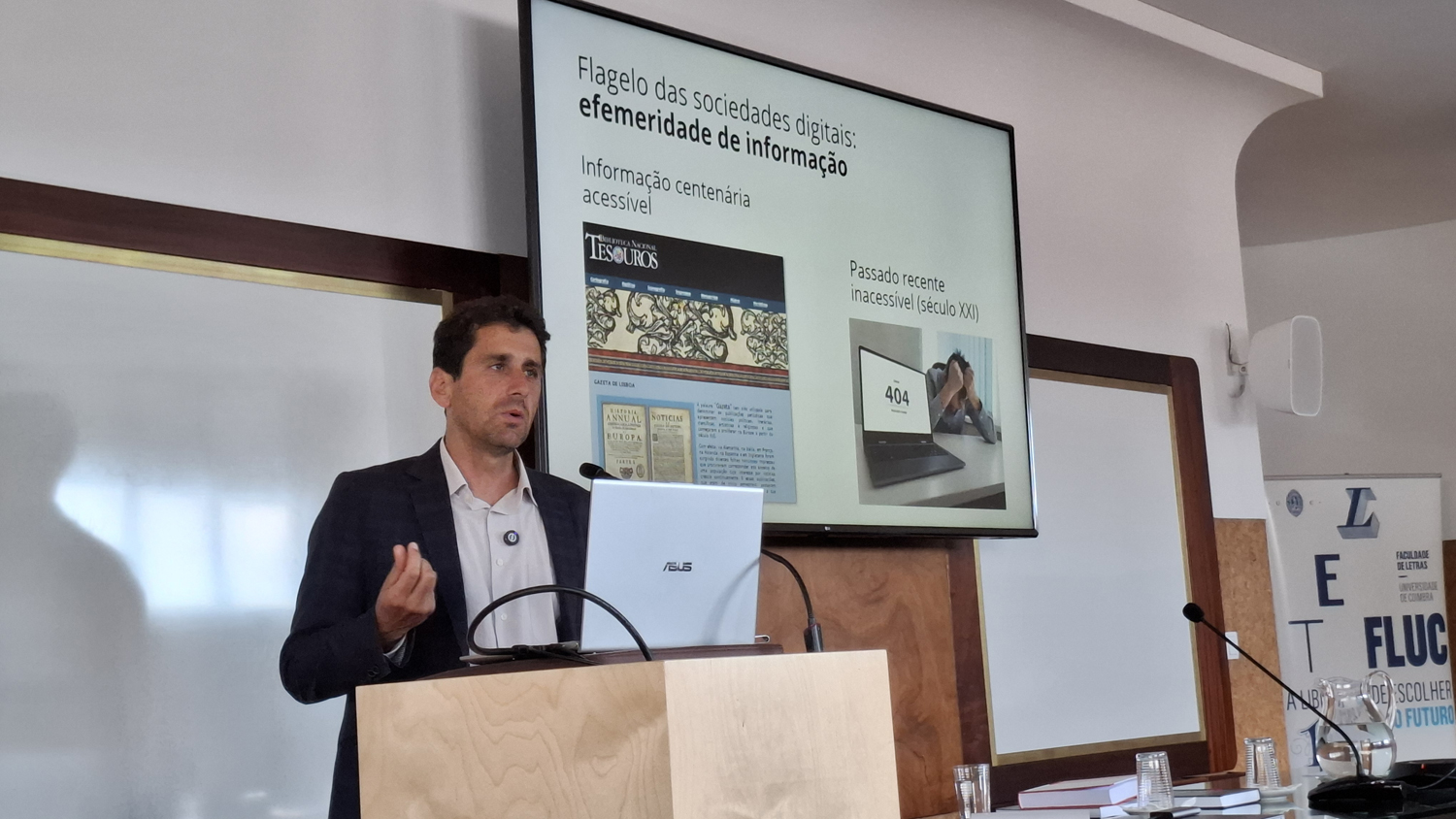
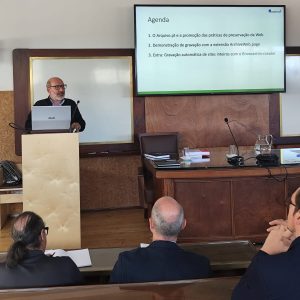
Arquivo.pt took part in the workshop entitled “Digital preservation: tools and practices”, promoted by the Faculty of Letters of the University of Coimbra, on the afternoon of May 7, 2025. Moderated by Inês Santos, we highlight the initial panel with excellent speeches by Moisés Rockembach (University of Coimbra), Humberto Innarelli (Unicamp, Brazil) and Daniel Gomes (Arquivo.pt, digital service of FCCN-FCT).

The aim of the meeting was to offer the community a critical reflection on new trends in digital preservation tools and practices.

Digital preservation is a cross-cutting issue for organizations, as they all produce and generate information in digital format. There is a growing range of tools and solutions that promise greater efficiency in information processing. Many are labeled Artificial Intelligence. Such an abundance of products and frameworks calls for greater discussion and a critical approach. And this was achieved brilliantly by the panel of speakers.

Three approaches to Artificial Intelligence and Digital Preservation

This meeting brought together three authors of works on digital preservation at the Amphitheatre III of the Faculty of Letters of the University of Coimbra and discussed different approaches.

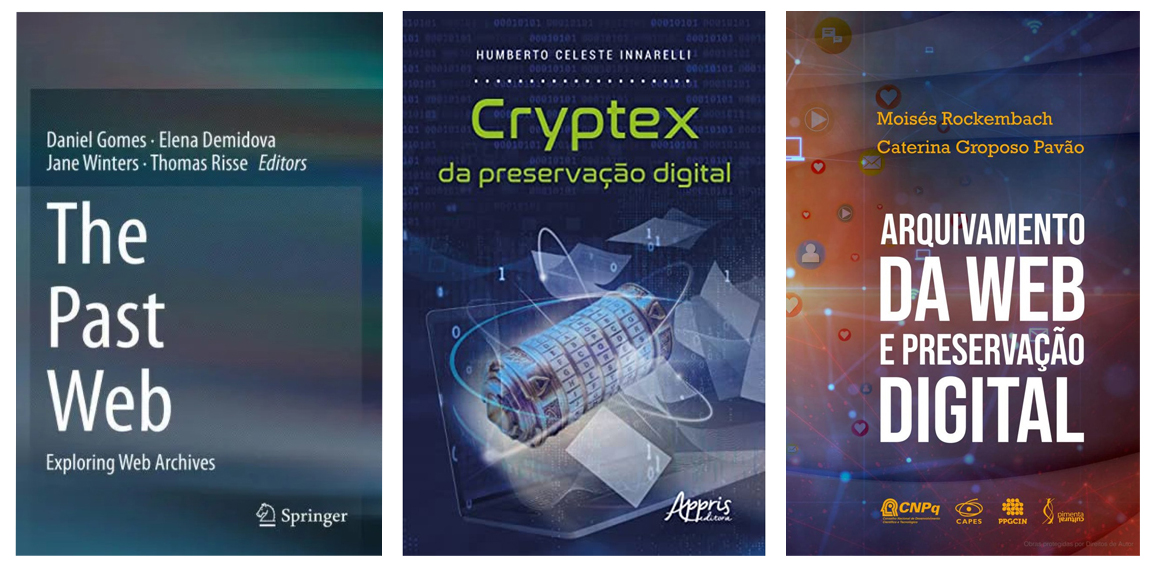
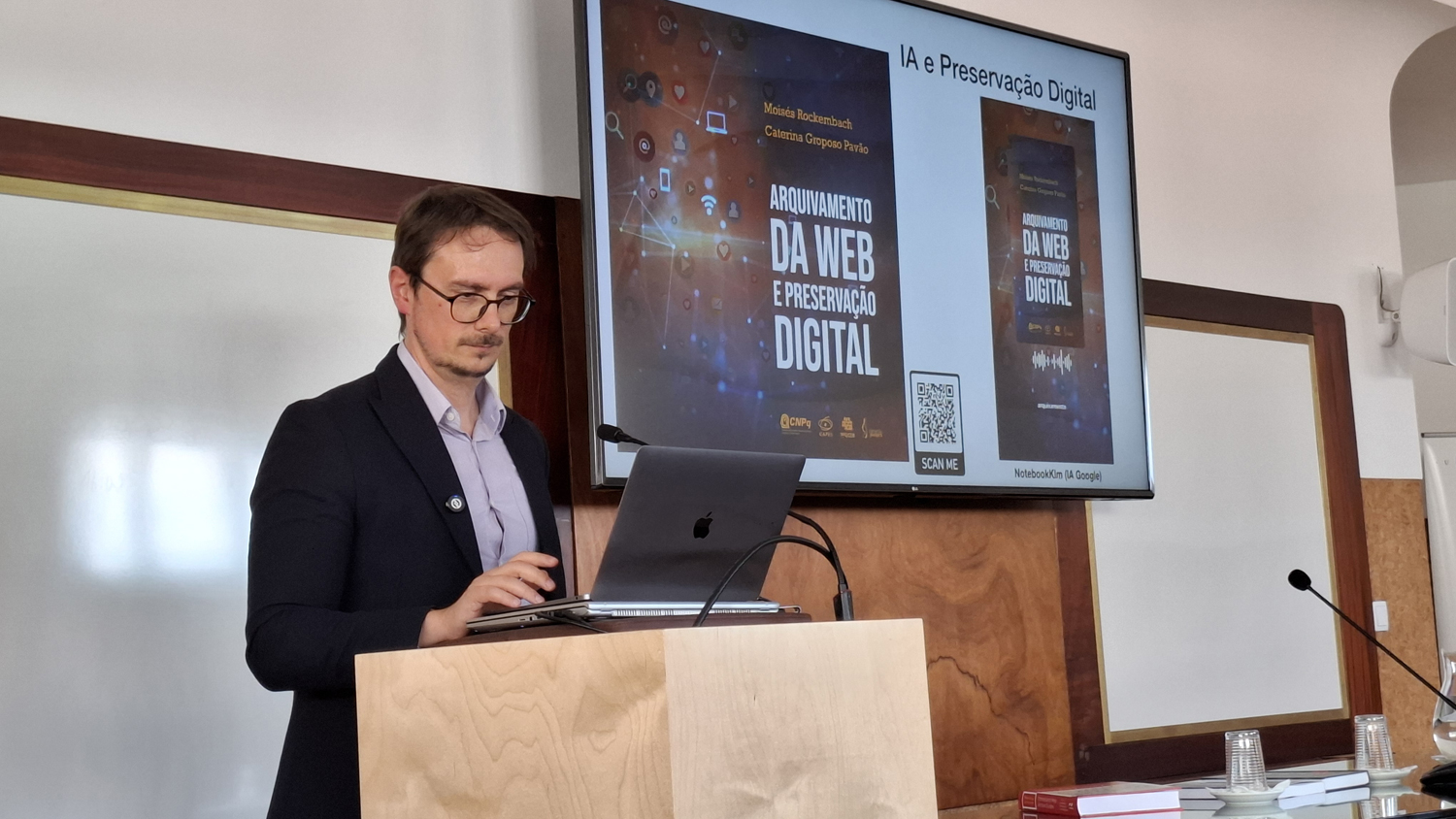
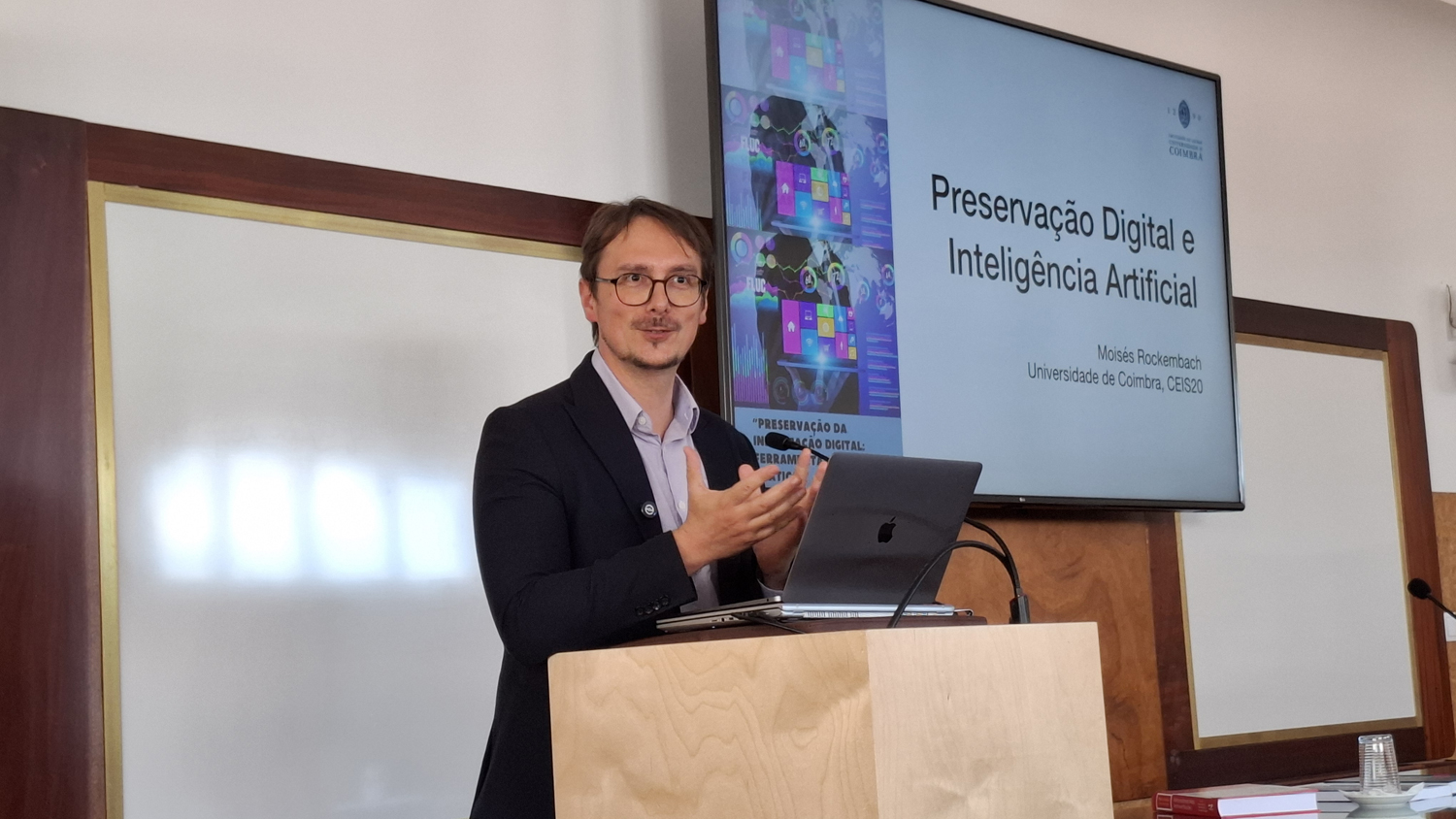
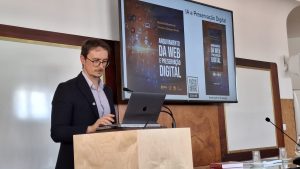
Moisés Rockembach, co-author with Caterina Pavão of Arquivamento da Web e preservação digital (Archiving the Web and Digital Preservation), the first work in Portuguese on web archives, focused his presentation on the impact of Artificial Intelligence on digital preservation systems, namely on searching for and accessing information, in classification and indexing processes, for example. With regard to the impact of the new tools that digital technology offers us, he referred to a phrase by Demi Gretscko: “The process of searching for and capturing information described in the text could certainly be improved in the future, especially when considering the contribution of new tools, such as those of Artificial Intelligence”.

There are Artificial Intelligence tools that allow interesting access to information through novelty and format. Archiving must take this reality into account and test the extent to which it can transform the way in which many types of content are disseminated and accessed. One example to illustrate this idea was the presentation of a Podcast generated by Artificial Intelligence from An example to illustrate this idea was the presentation of a Podcast generated by Artificial Intelligence, based on chapter 2 of the book on Web Archives, which deals with digital preservation policies.

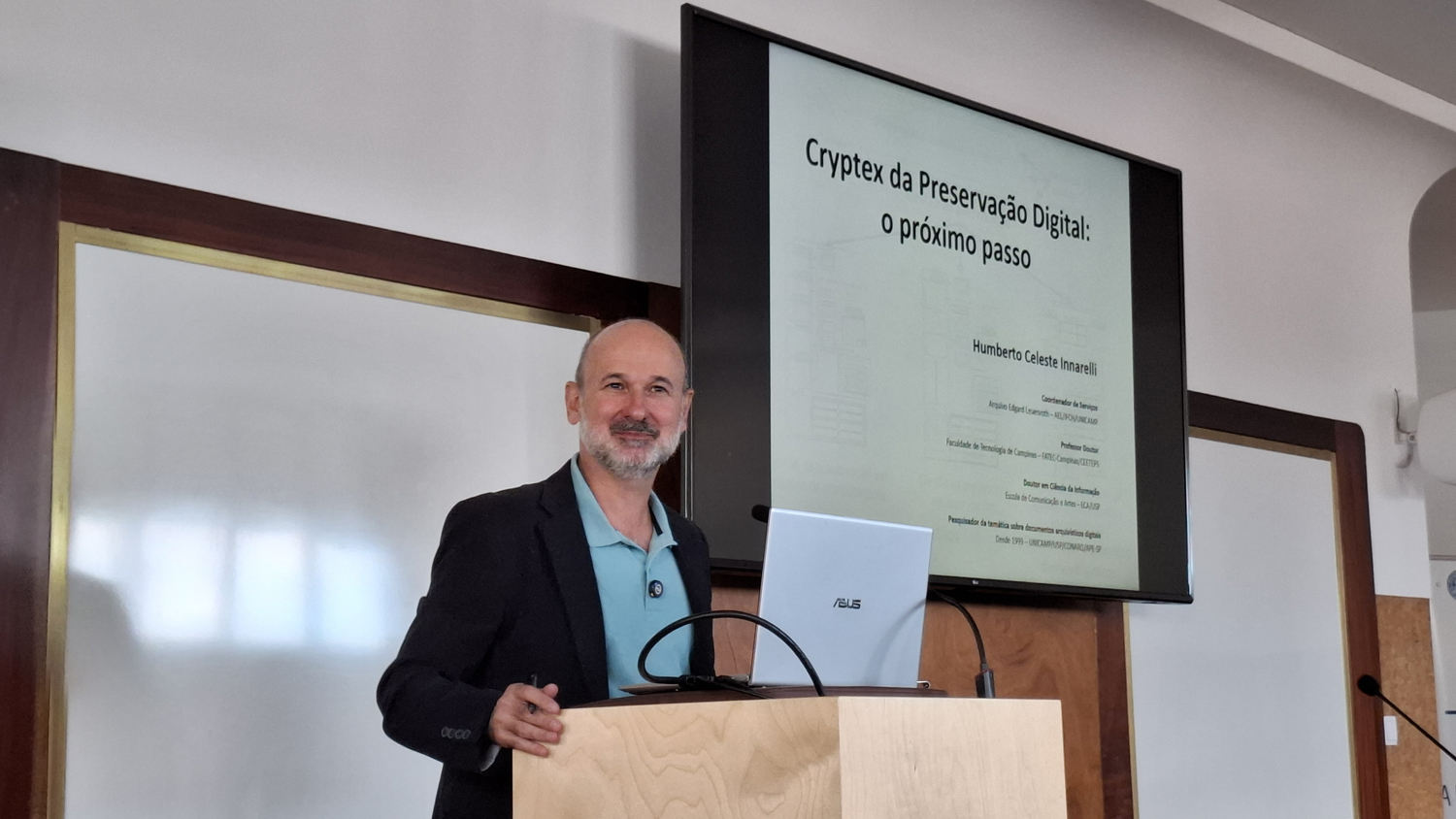
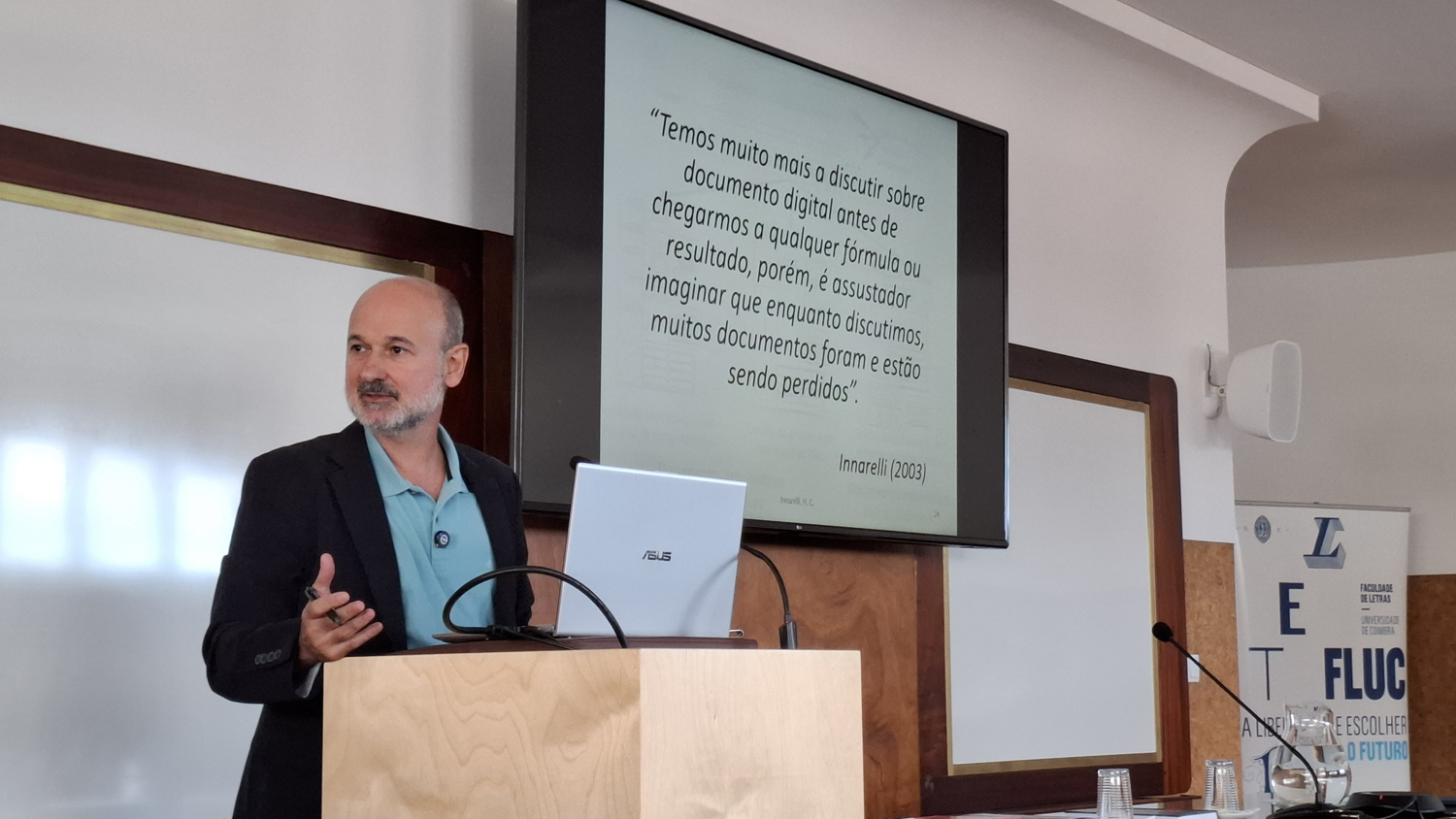
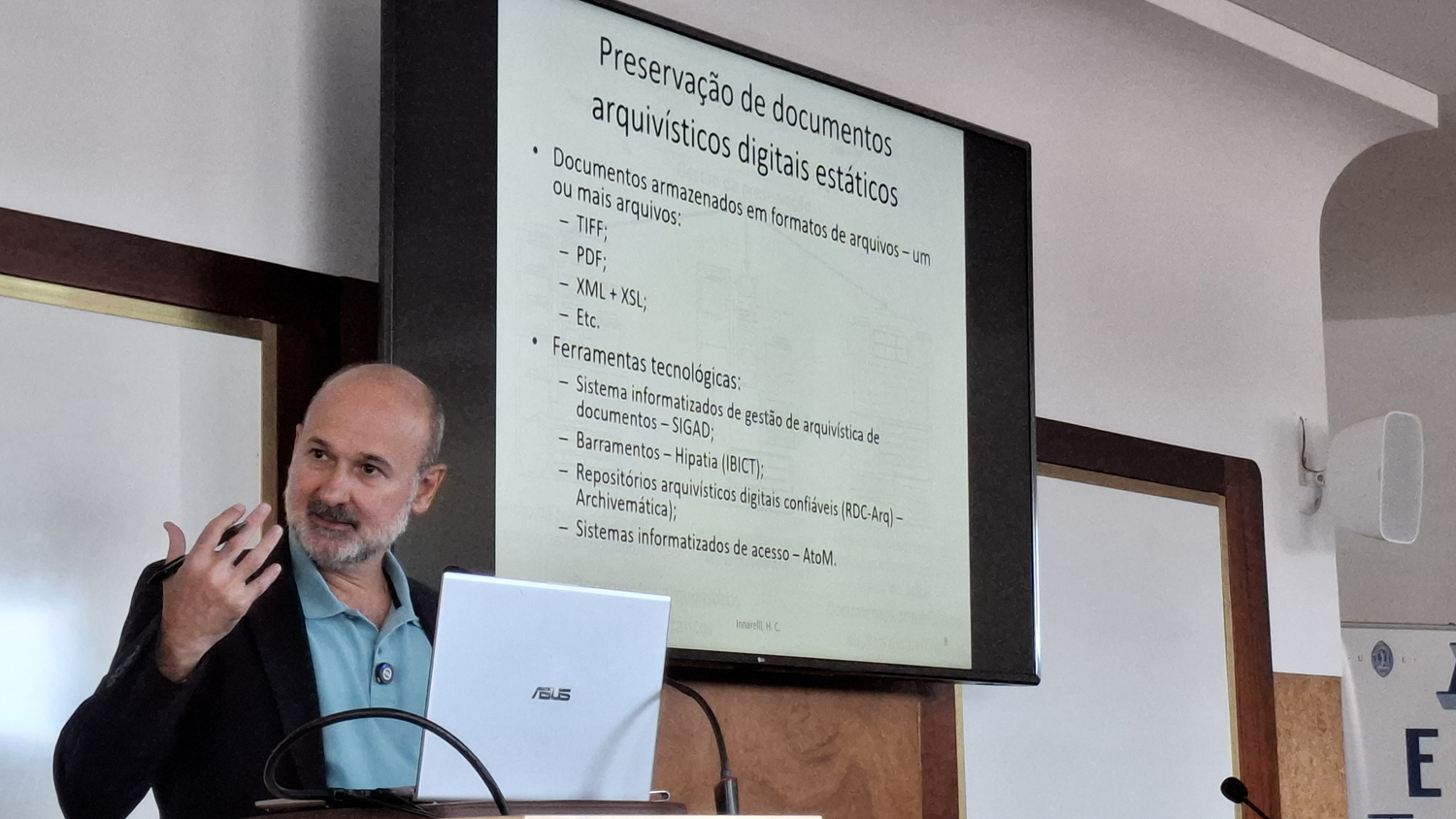
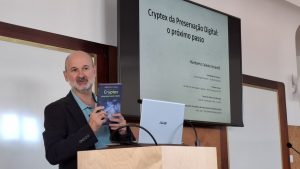
Humberto Innarelli, author of Criptex da preservação digital (Digital preservation cryptex), coordinator of the Arquivo Edgard Leuenroth (AEL) and specialist archival researcher at Unicamp, São Paulo and PhD professor at the Paula Souza Centre, São Paulo, posed the question of the future of digital preservation. Until now, the practice for preserving dynamic digital content has been to convert it into static documents. On the other hand, information is increasingly given to us dynamically, from databases or algorithms and Artificial Intelligence. What’s the next step? Archival practice needs to look not only at metadata, as it has done in recent years, but also at what explains how the information was generated (what we might call paradata). This is the only way to put archives and digital preservation in the long-term perspective. A hundred or two hundred years from now we should still be able to access the digital information produced today.

Daniel Gomes, editor of the book The Past Web and founder of Arquivo.pt, discussed the issue of Artificial Intelligence as it relates to non-artificial, human-produced content. What added value do tools that generate text, images, audio or video bring? If we consider, for example, that a Podcast on digital preservation used a book written by a human author as its basis, what new knowledge did it generate? Little or none. So, what has come to be called Artificial Intelligence can be considered a way of presenting human knowledge and in no way exempts humanity from continuing to think, research and produce new knowledge.

Arquivo.pt preserves content that has been published by individuals and organizations and in this sense is a unique source of its kind. Information published on the web is important for reporting and better understanding recent history, since the 1990s. Any Artificial Intelligence tool will have to go back to the point where the information was created by people. The human origin of the content preserved by Arquivo.pt, and the same can be said of traditional archives, makes them of enormous value, even considering their economic value. How much is the information stored in a web archive worth?
New MOOC (Massive Online Open Course) about web archiving

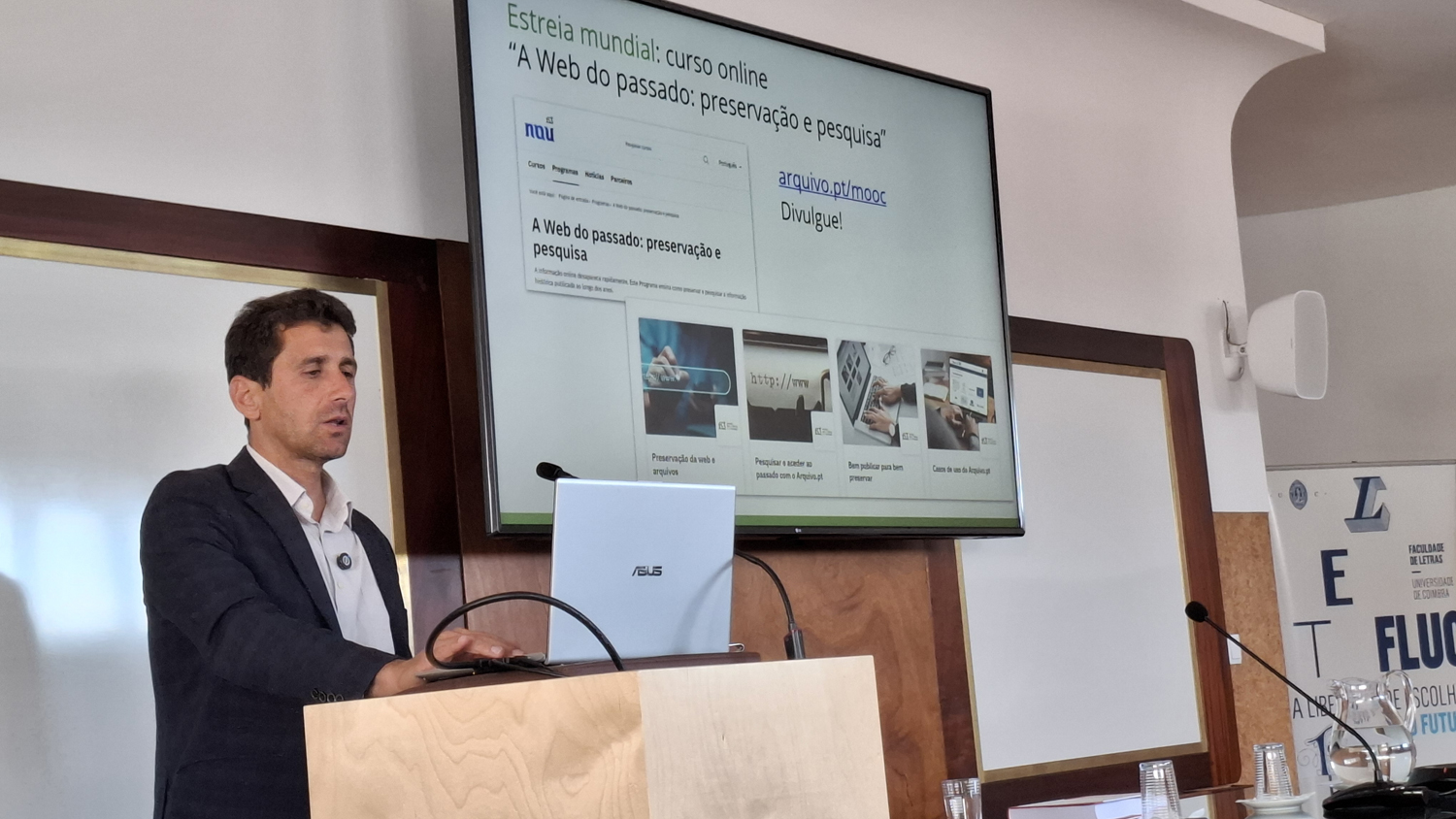
Daniel Gomes, Manager of Arquivo.pt, has announced first-hand the online course on the NAU platform: The Web of the Past: Preservation and Research (in Portuguese).
The online course or MOOC (Massive Online Open Course) is available for those who want to deepen their knowledge of web preservation.
The short link for dissemination is arquivo.pt/mooc

Preserved Arquivo.pt data and its automatic processing by APIs

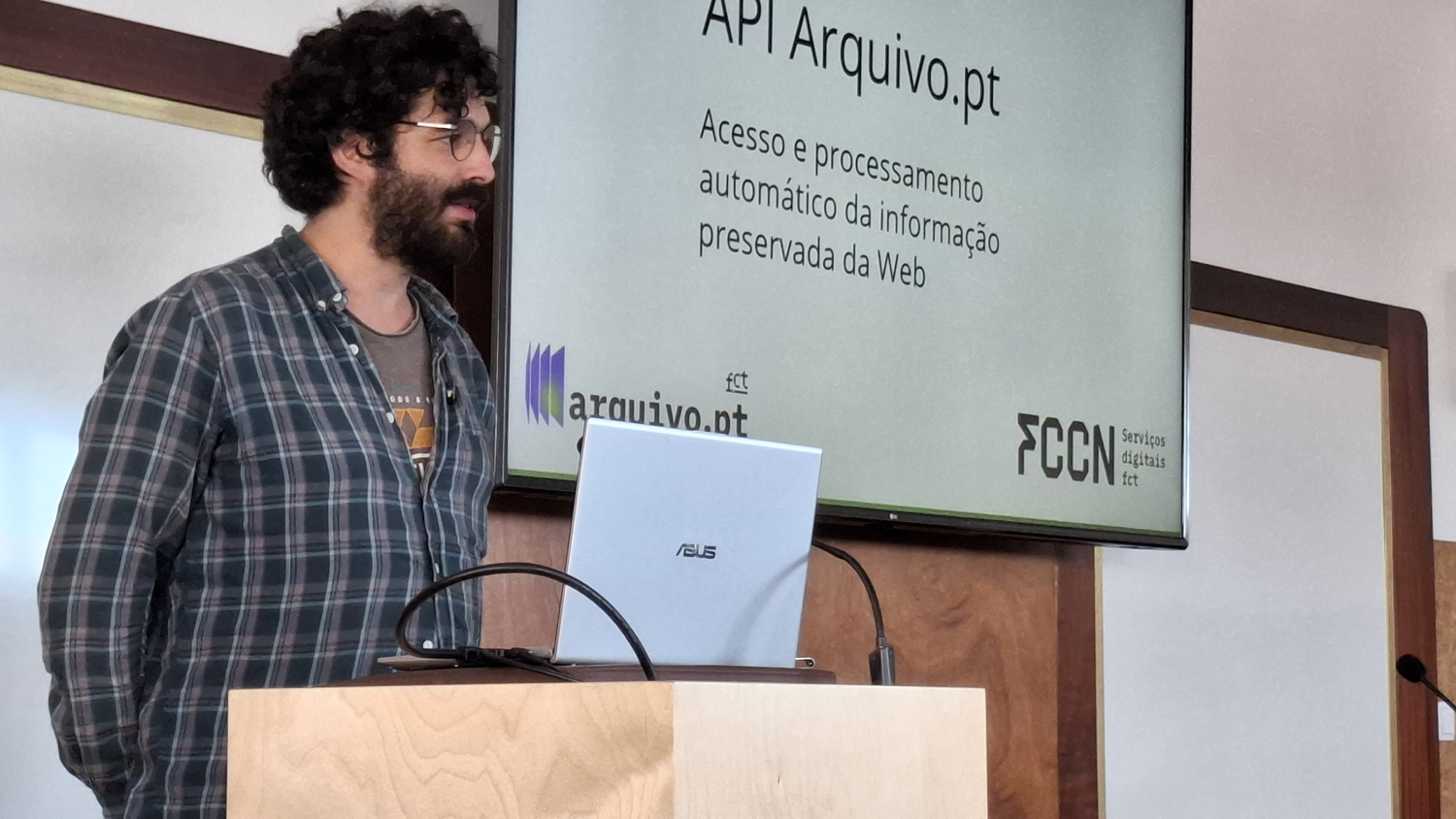
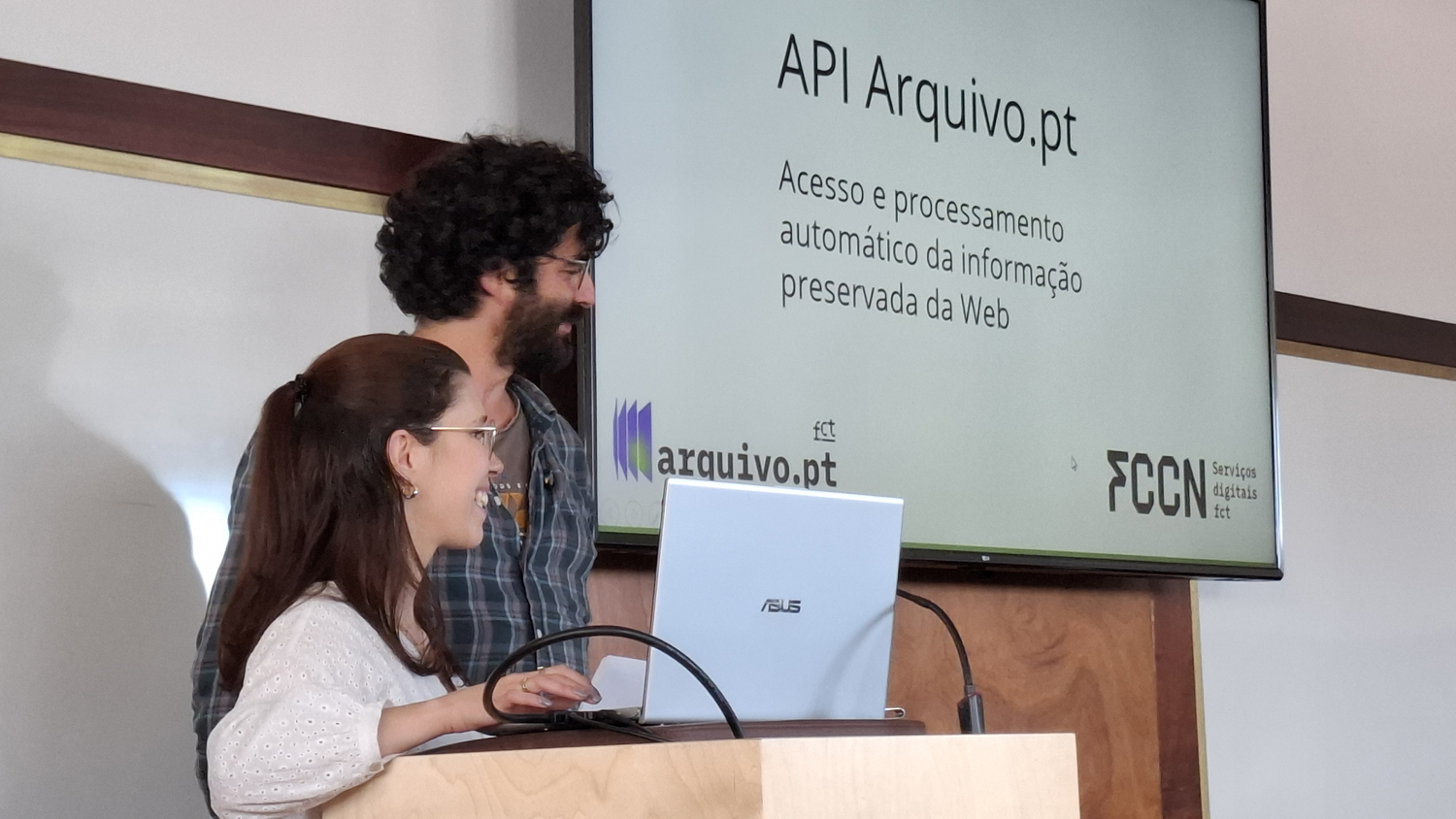
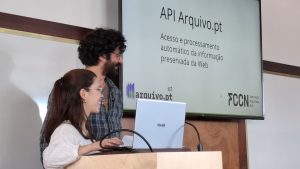
Vasco Rato, developer of Arquivo.pt, showed how the automatic processing interfaces, Application Programming Interfaces (APIs), work.

Arquivo.pt data can be processed by Artificial Intelligence. The works competing for the Arquivo.pt Award have already demonstrated this, as have projects such as GlórIA, a Large Language Model developed at NOVA-FCT.

Finally, Ricardo Basílio, digital curator, showed how anyone can save a page or an entire website on their own computer in a standardized format, compatible with web archives. ArchiveWeb.page and browsertrix-crawler were used for this, as training tools. This practice allows the community to be increasingly active in preserving institutional information published on the Web.

Agenda

14h30 Panel – Moderator: Inês Santos, University of Coimbra

  • Digital Preservation and Artificial Intelligence – Moisés Rockembach, University of Coimbra – Slides
  • Cryptex for Digital Preservation: The Next Step – Humberto Innarelli, Unicamp – Slides
  • Arquivo.pt and Web Preservation – Daniel Gomes, FCCN-FCT – Slides

16h00 Break

17h00 – Final

Image gallery

Images on the Coimbra University social media

Video of some moments from the event (published on Facebook)

Workshop na Faculdade de Letras da Universidade de Coimbra

20250507_152044x
20250507_145930x
20250507_154949x
20250507_152127x
20250507_150752x
20250507_150208x
20250507_144524x
20250507_144759x
20250507_154140x
20250507_162955x
20250507_150929x
20250507_162127x
20250507_155227x
20250507_161631x
20250507_162035x
20250507_153213x
20250507_155105x
20250507_155139x
20250507_155346x
20250507_162018x
20250507_161603x
1747431004343-coimbra
20250507_152044x 20250507_145930x 20250507_154949x 20250507_152127x 20250507_150752x 20250507_150208x 20250507_144524x 20250507_144759x 20250507_154140x 20250507_162955x 20250507_150929x 20250507_162127x 20250507_155227x 20250507_161631x 20250507_162035x 20250507_153213x 20250507_155105x 20250507_155139x 20250507_155346x 20250507_162018x 20250507_161603x 1747431004343-coimbra

Arquivo.pt took part in the IIPC Web Archiving Conference in Oslo

Last updated on July 4th, 2025 at 08:32 am

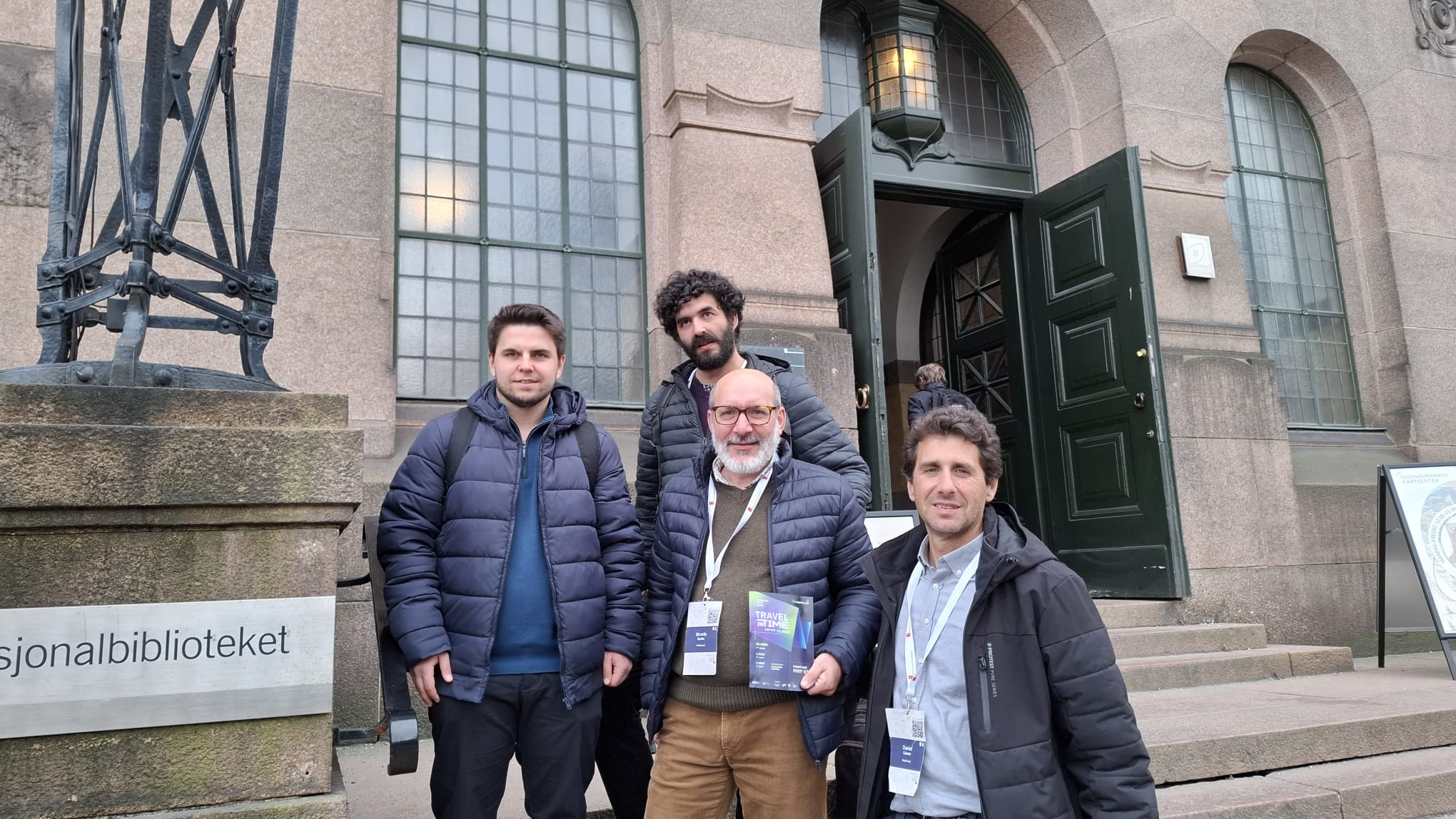
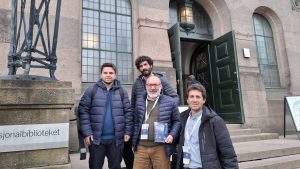
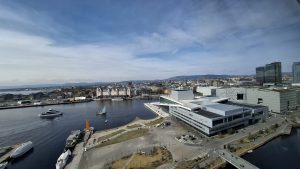
Four members of the Arquivo.pt team were in Oslo, Norway, to take part in the General Assembly of the International Internet Preservation Consortium and the Web Archiving Conference, from 8 to 15 April 2025.

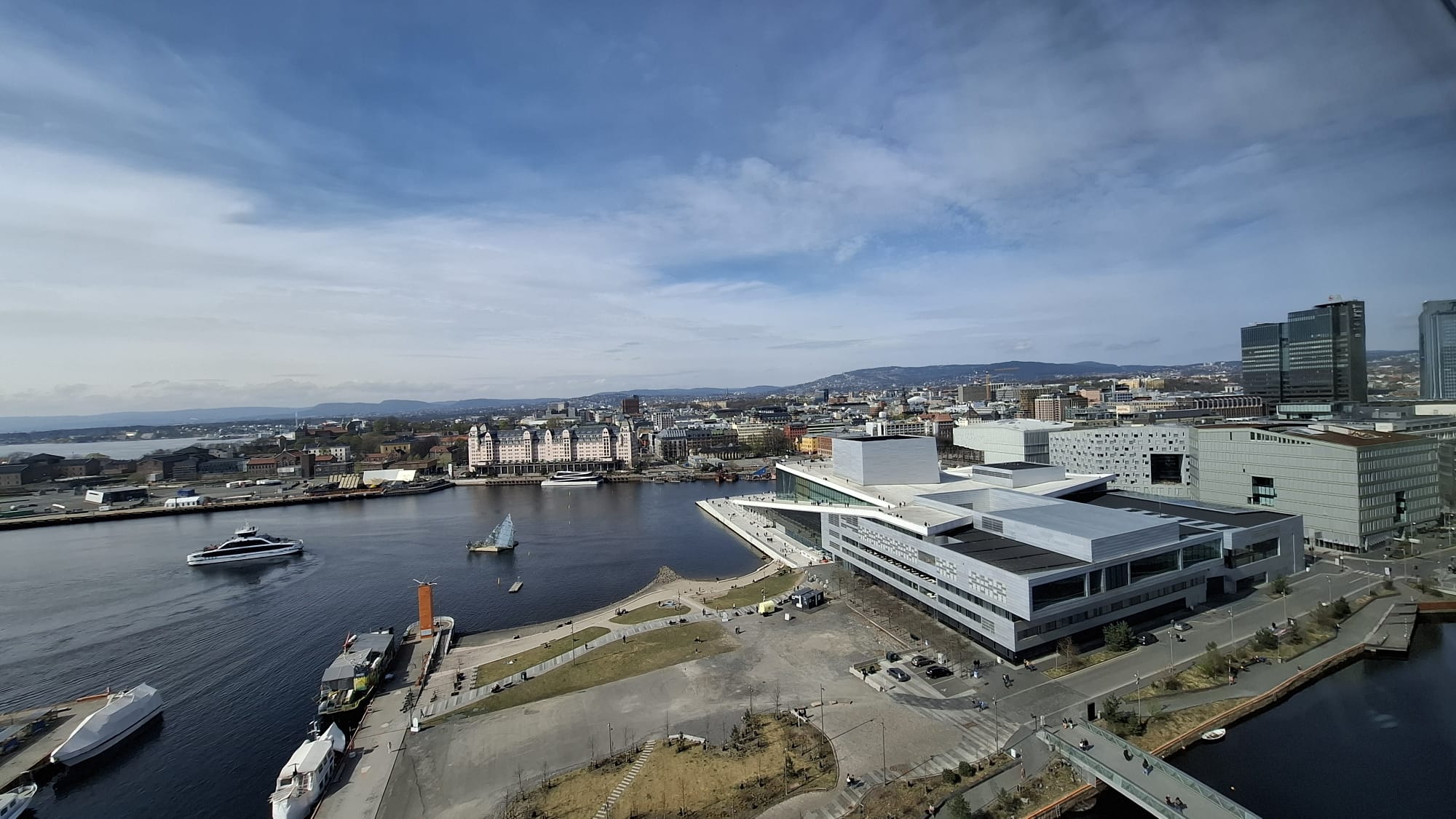
The National Library of Norway was the host institution for this international event. The Norwegian Web Archive is part of the Library’s mission and is held in a second location specialising in digital preservation, in the city of Mo i Rana, in the centre of the country.

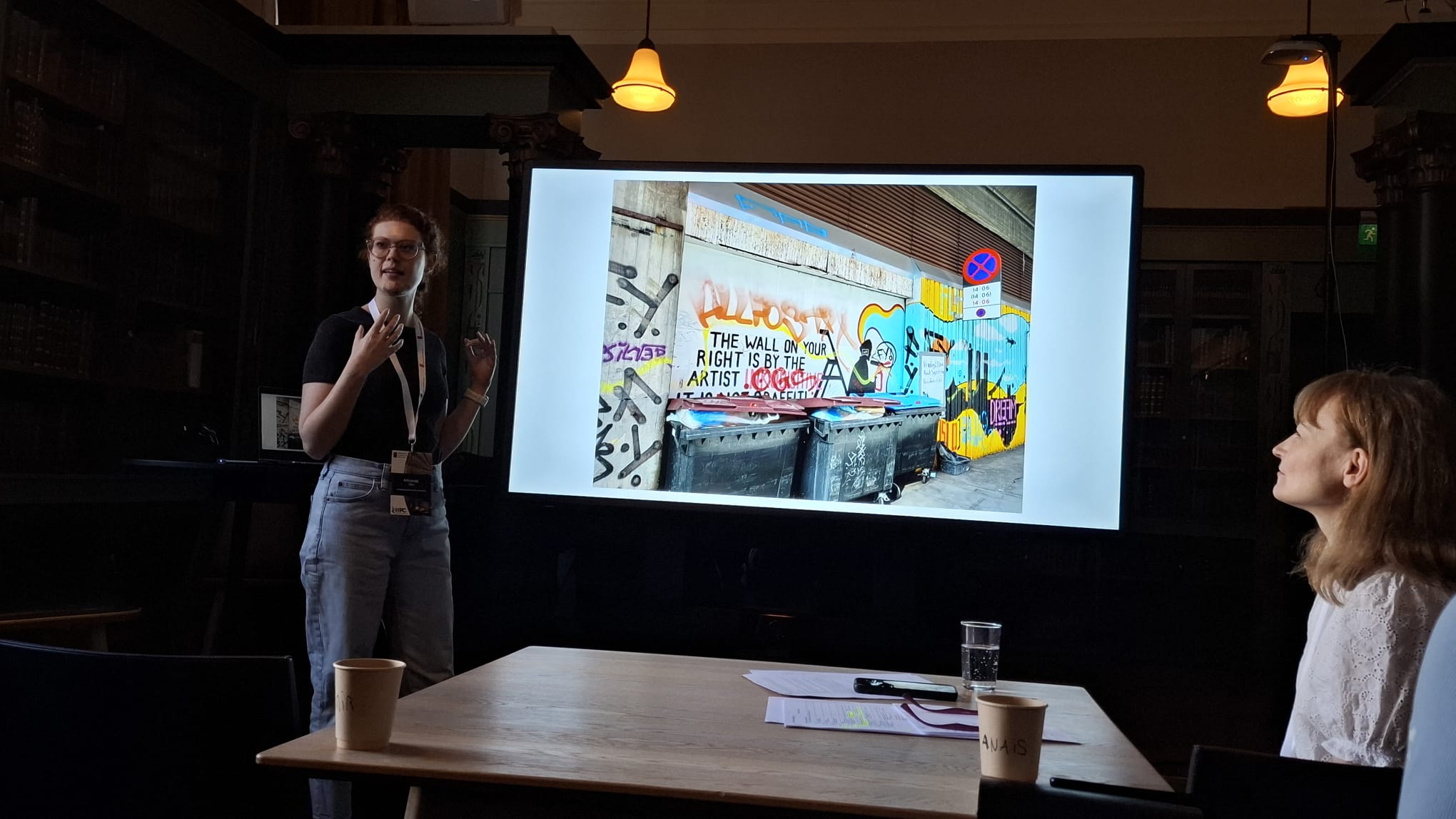
The first day, 8 April, was dedicated to the General Assembly, exclusively for members of the consortium, and to the working groups in which Arquivo.pt plays an active role. The Content Development Working Group is dedicated to the creation of thematic collections and has the participation of Arquivo.pt in the ‘Street Art’ collection. The Training Working Group creates training content and training actions, such as IIPC webinars and face-to-face workshops.

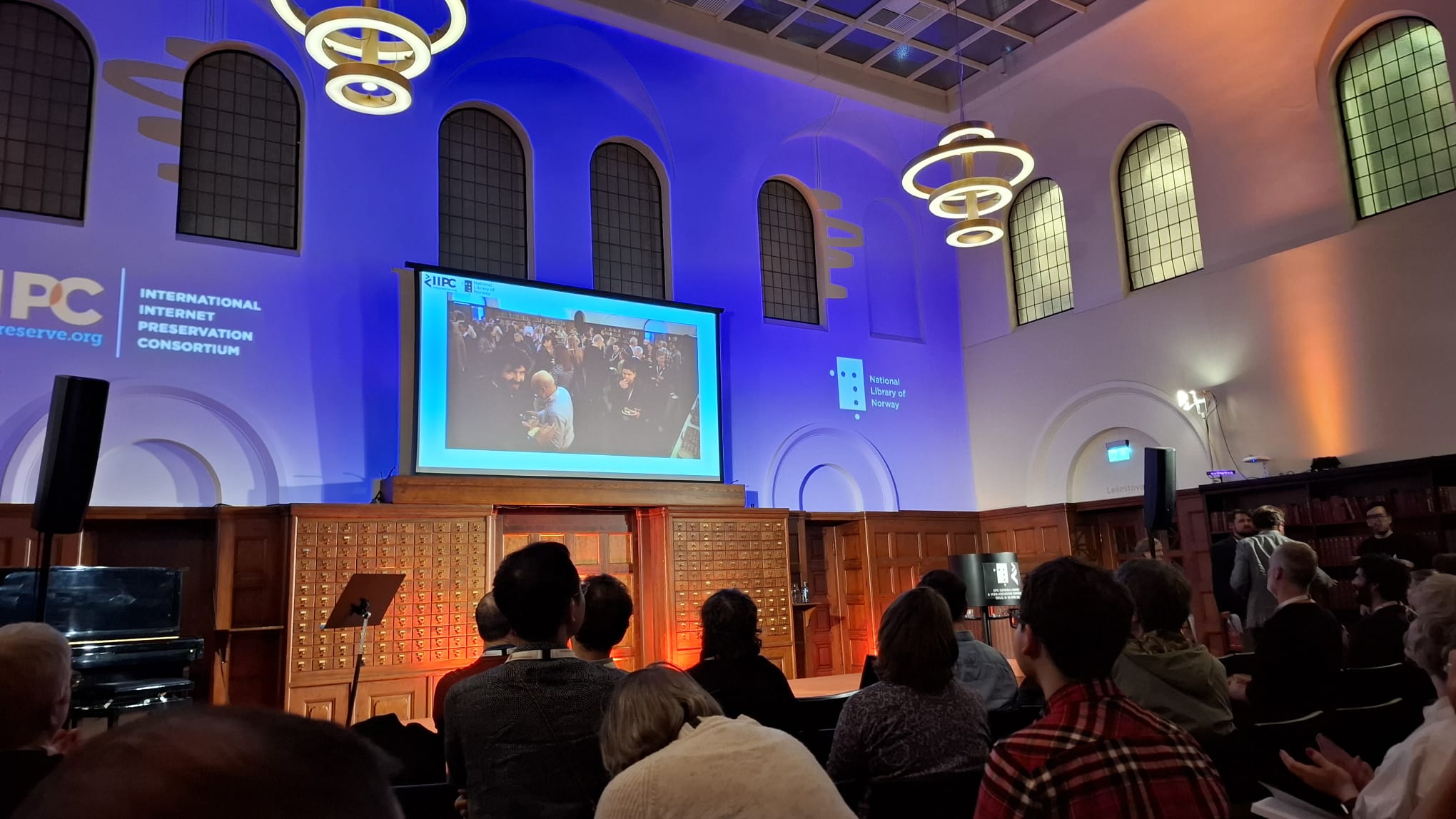
The Web Archiving Conference was held on 9 and 10 April, an event open to all entities and initiatives related to web preservation and archiving.

Arquivo.pt’s contribution

Arquivo.pt presented its services and initiatives for interacting with the community, such as its collaboration with the Sines Municipal Archive in preserving content of local interest. The concern with access to content, both for researchers and for citizens in general, is an aspect that is highly appreciated by the IIPC community.

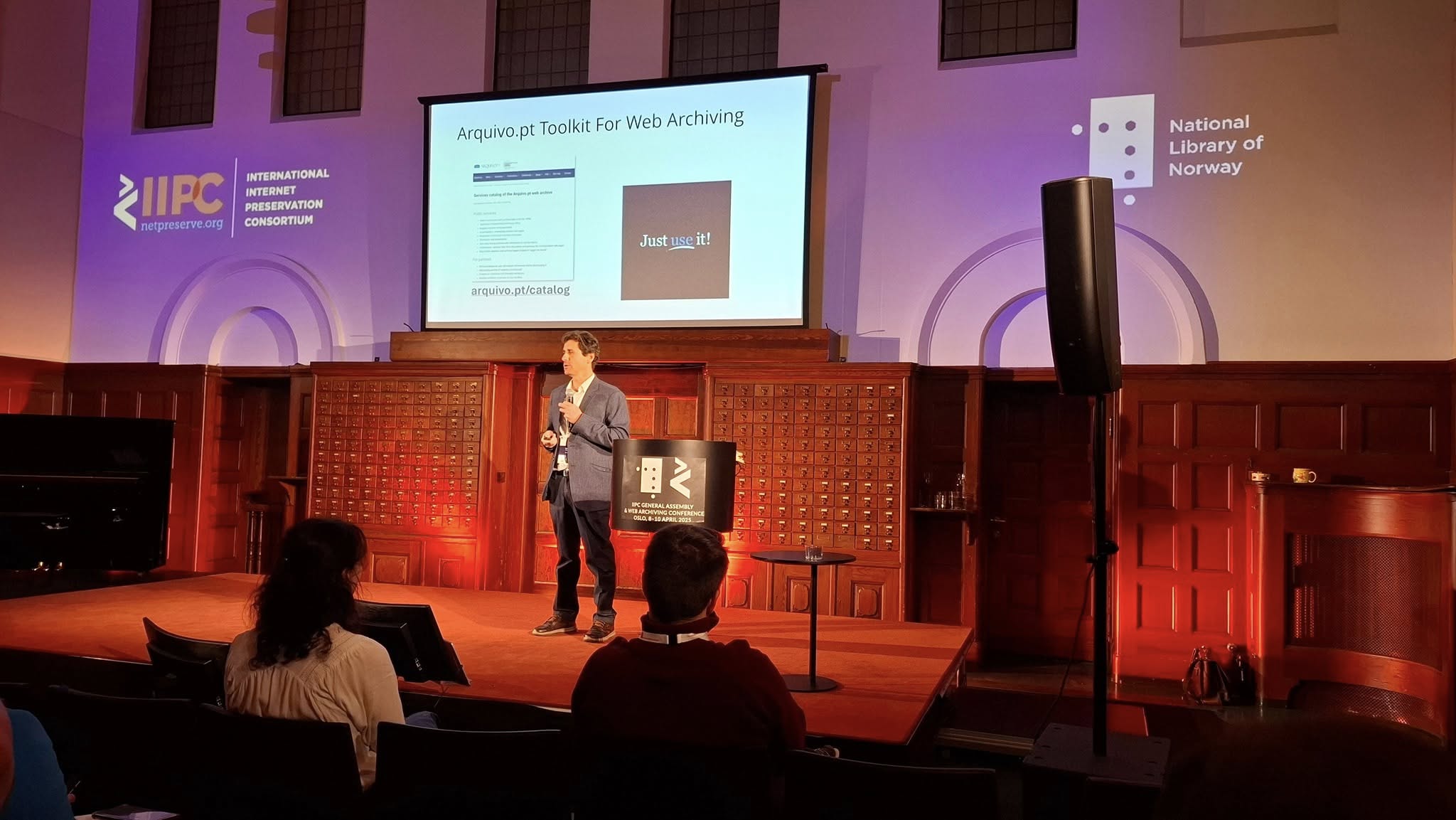
  • Arquivo.pt toolkit for web archiving – Lightning talk session 1 – Daniel Gomes – Slides, video
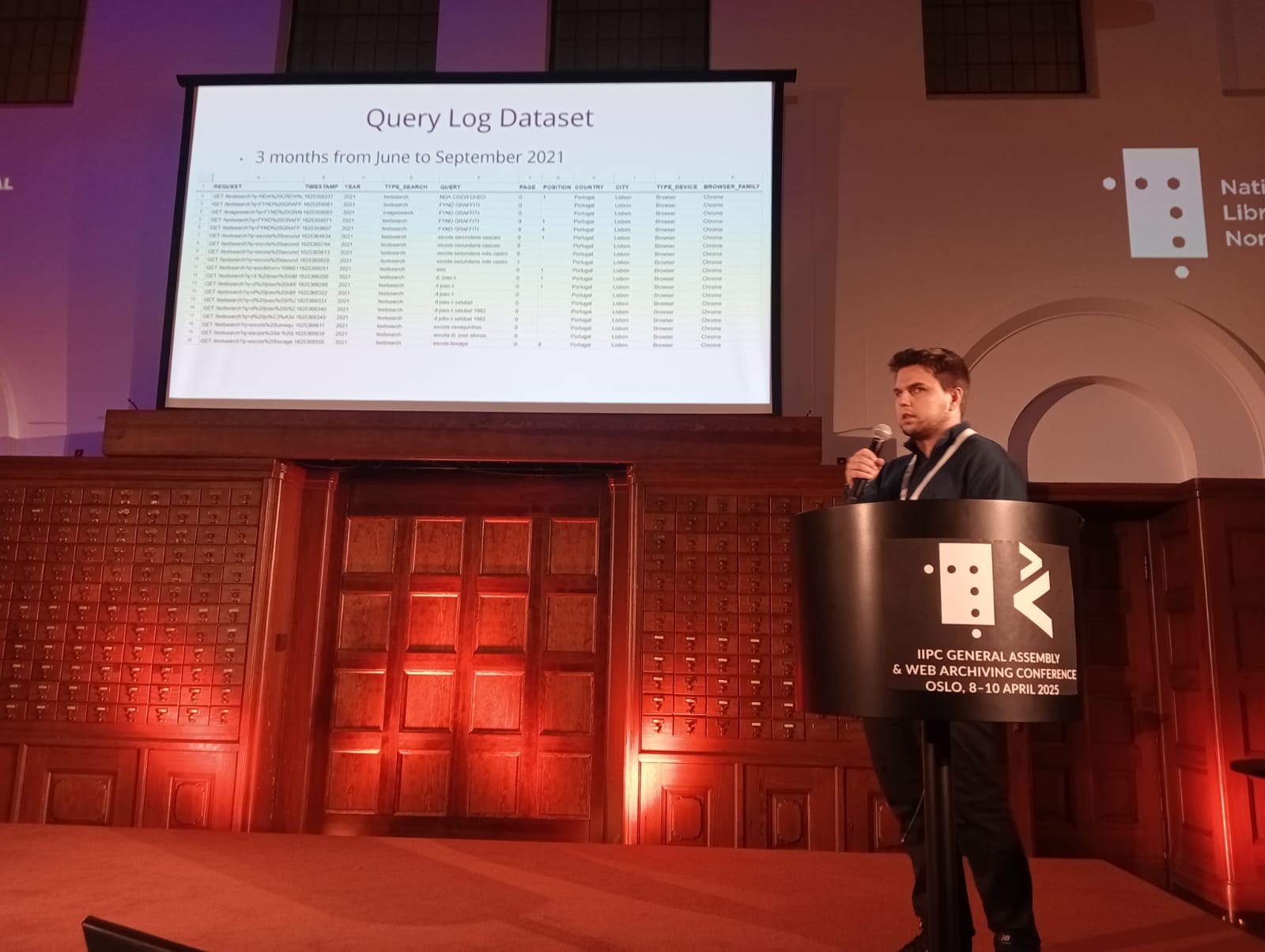
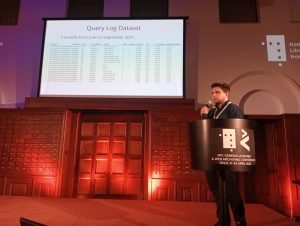
  • Arquivo.pt Query Logs – Lightning talk session 3 – Pedro Gomes – Slides, video
  • Collaborative collections at Arquivo.pt: four years of recordings from the city of Sines (Portugal) – Lightning talk session 4 – Ricardo Basílio – Slides, notes, video
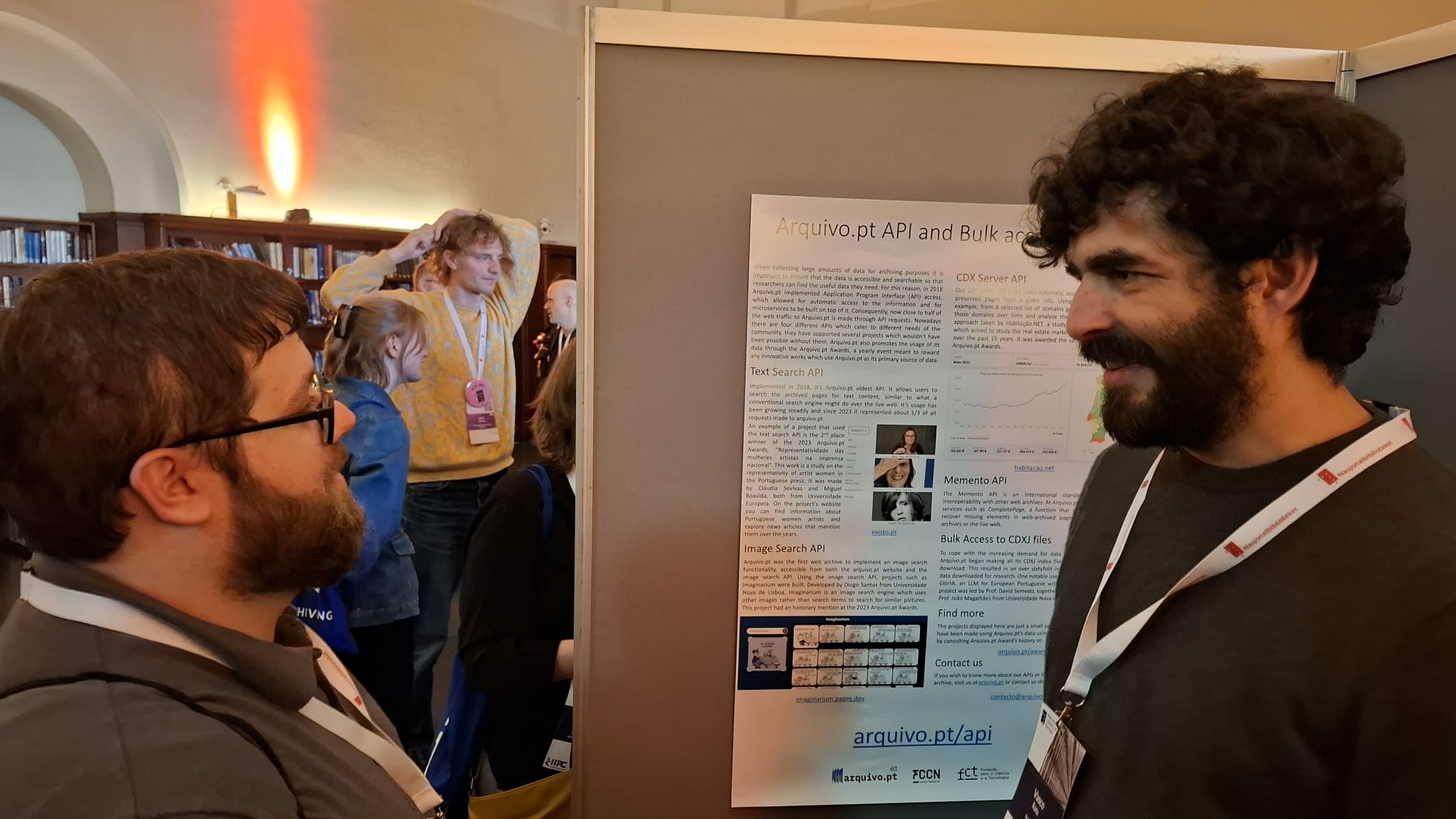
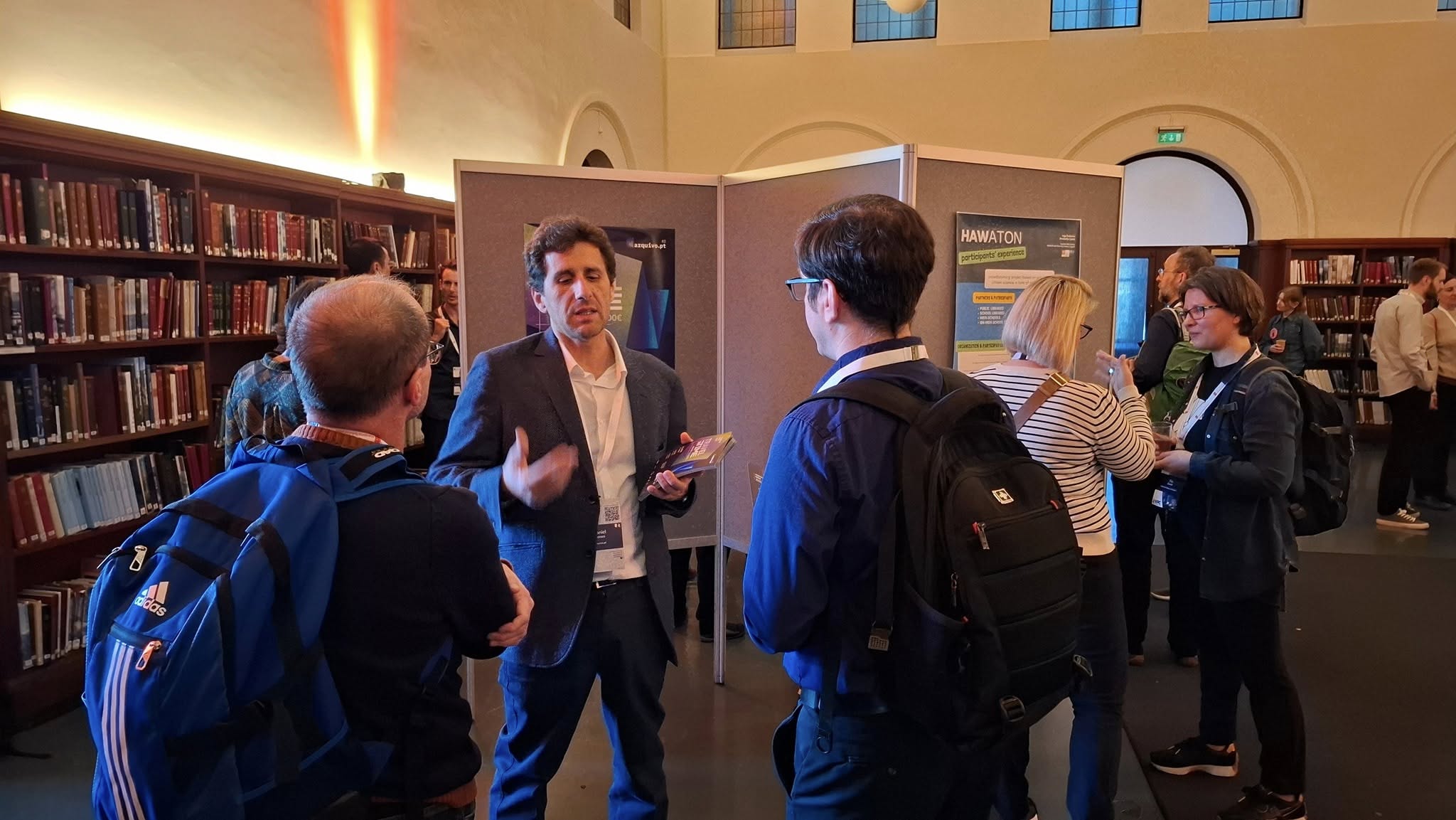
  • API/Bulk access and its usage – Poster slam – Vasco Rato – Poster
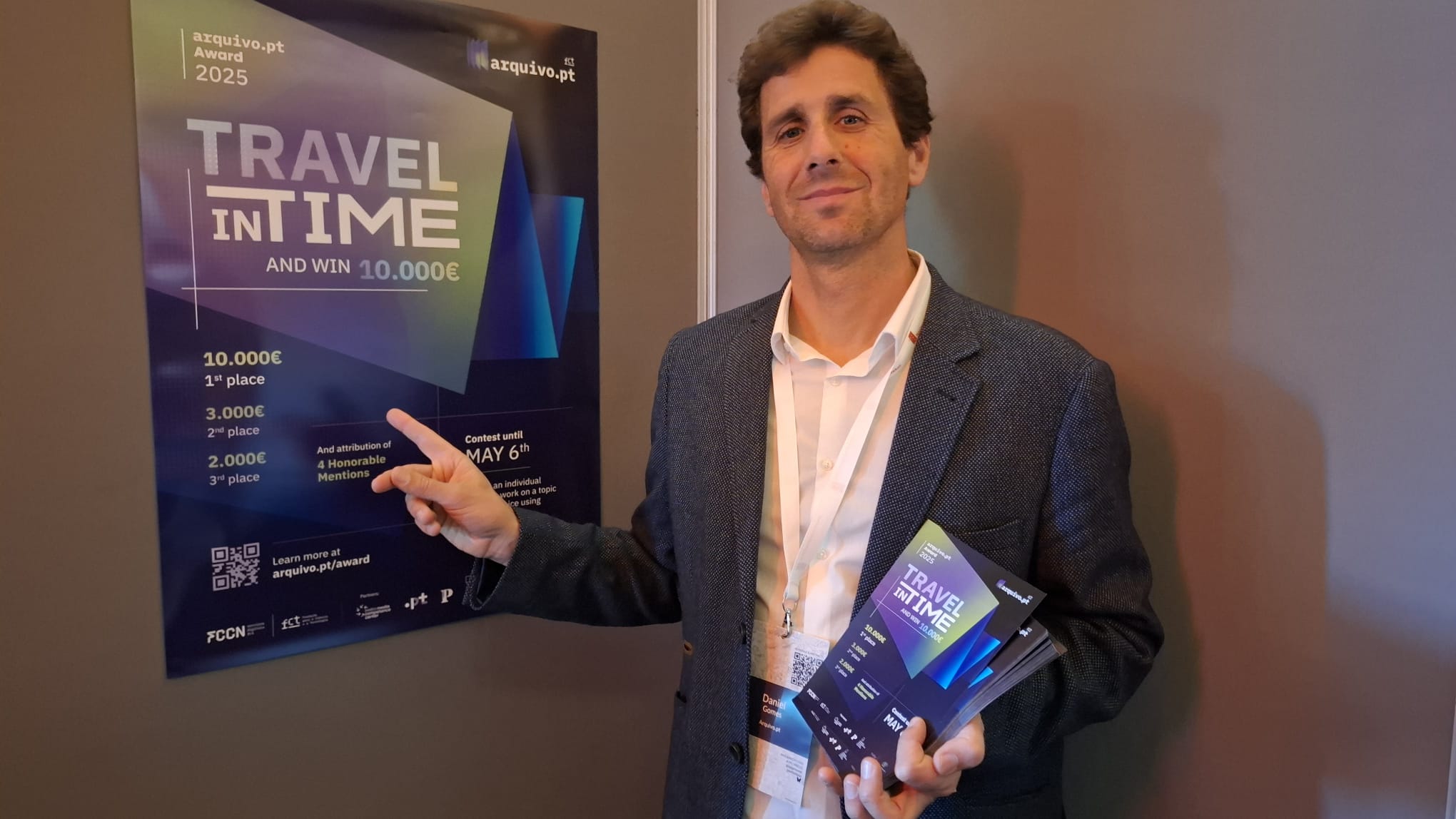
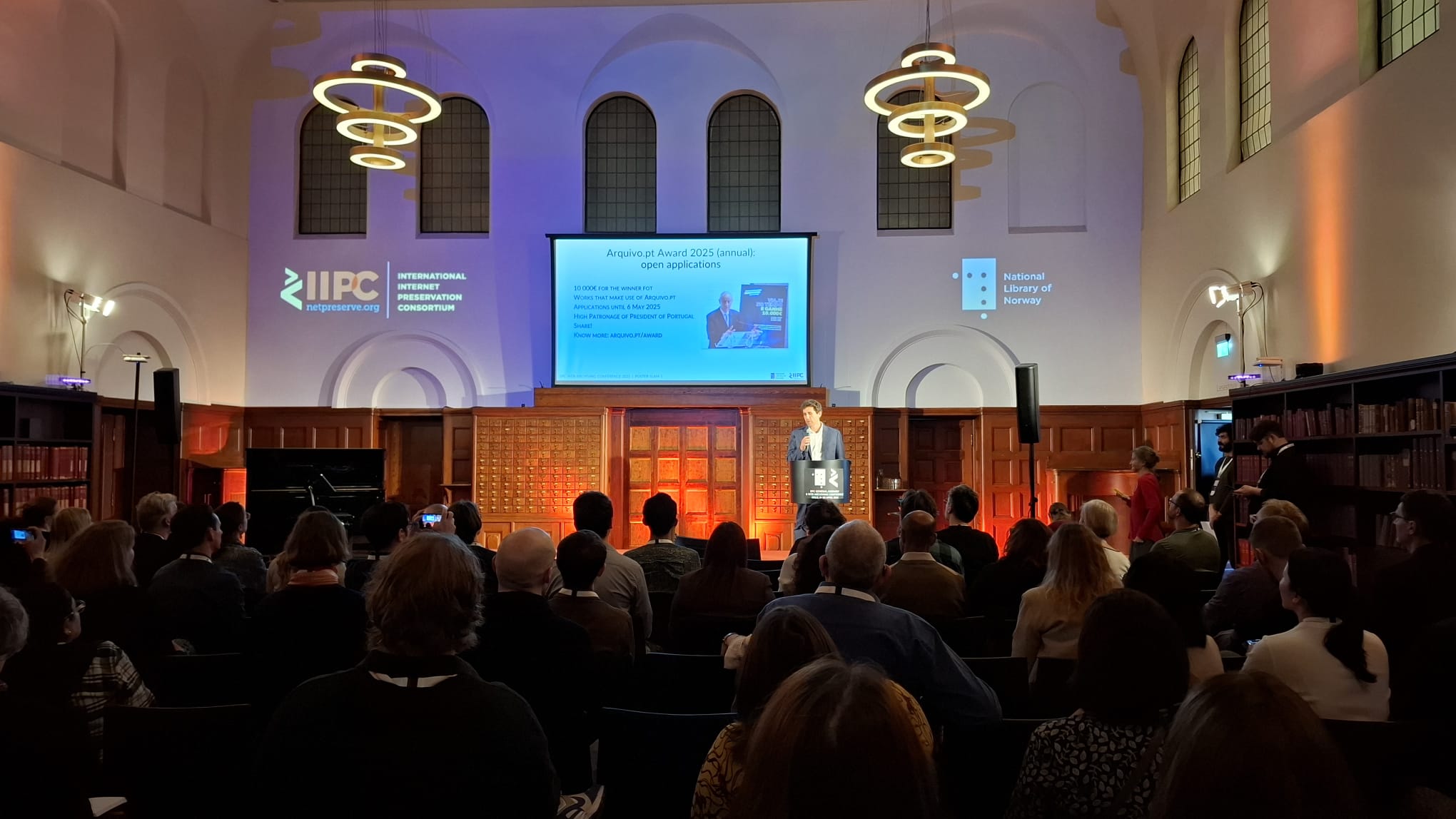
  • Arquivo.pt annual awards: a glimpse since 2018 – Poster slam – Daniel Gomes – Slides

Image gallery

IIPC Web Archiving Conference 2025, Oslo

oslo4
oslo3
oslo6
oslo2
oslo1
oslo8
oslo5
oslo9
oslo10
oslo11
oslo12
oslo4 oslo3 oslo6 oslo2 oslo1 oslo8 oslo5 oslo9 oslo10 oslo11 oslo12

Arquivo.pt training with APDSI. Sign up!

Ciclo de Webinars do Arquivo.pt com a APSDI

Last updated on April 5th, 2025 at 01:10 pm

Ciclo de Webinars do Arquivo.pt com a APSDI

APDSI – Associação para a Promoção e Desenvolvimento da Sociedade da Informação (Association for the Promotion and Development of the Information Society) promoted a Cycle of Webinars on Arquivo.pt, held between March 20 and April 1, 2025.

This Webinar Cycle, dedicated to the preservation of cultural memory published on the Web, is a collaboration between APDSI and Arquivo.pt, the FCCN digital services of the Fundação para a Ciência e a Tecnologia.

Luís Vidigal, Founding Partner of APDSI, Filipa Fixe and João Tavares, Board Members, introduced the theme of each session and the Arquivo.pt team showed how the preservation of web content works, allowing organizations and citizens to access the web of the past.

The four sessions had a total of 121 participants.

Program

  • Webinar 1 – March 20 – Arquivo.pt: a new tool for researching the past. Daniel Gomes, Head of Arquivo.pt – Vídeo, slides
  • Webinar 2 – March 25 – To publish well, to preserve well. Pedro Gomes, Arquivo.pt Collections Manager – Vídeo, slides
  • Webinar 3 – March 27 – Access and automatic processing of information preserved from the Web through APIs. Vasco Rato, Web developer, Vídeo, Slides
  • Webinar 4 – April 1 – Archiving the Web: do-it-yourself! Ricardo Basílio, Digital Curator – Video, slides

Registration (free but required)

Know more